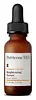
This brightening serum is formulated around Tetrahexyldecyl Ascorbate and Squalane to brighten dull-looking skin and soften the look of wrinkles.
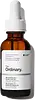
This anti-aging serum is formulated around Resveratrol and Ferulic Acid to soften the look of wrinkles and brighten dull-looking skin.


What's inside
What's inside
 Key Ingredients
Benefits
Concerns
No concerns
Ingredients Side-by-side
Water
Skin ConditioningTetrahexyldecyl Ascorbate
Antioxidant






Caprylyl Methicone
Skin Conditioning
Hydrogenated Lecithin
Emulsifying

Behenyl Alcohol
Emollient
Benzyl Alcohol
Perfuming






Squalane
Emollient
Rosmarinus Officinalis Leaf Extract
AntimicrobialFerulic Acid
Antimicrobial
Simmondsia Chinensis Seed Oil
Emollient


Sodium Hyaluronate
Humectant
Polysorbate 20
Emulsifying
Xanthan Gum
EmulsifyingBeta-Glucan
Skin Conditioning
Parfum
Masking
Sorbitol
Humectant
Limonene
Perfuming
Stearyl Glycyrrhetinate
Skin ConditioningDisodium EDTA
ChelatingElaeis Guineensis Oil
Emollient
Tocotrienols
Skin Conditioning
Linalool
Perfuming
Tocopherol
Antioxidant
Citral
Perfuming
Citronellol
Perfuming
Water, Tetrahexyldecyl Ascorbate, Caprylyl Methicone, Hydrogenated Lecithin, Behenyl Alcohol, Benzyl Alcohol, Squalane, Rosmarinus Officinalis Leaf Extract, Ferulic Acid, Simmondsia Chinensis Seed Oil, Sodium Hyaluronate, Polysorbate 20, Xanthan Gum, Beta-Glucan, Parfum, Sorbitol, Limonene, Stearyl Glycyrrhetinate, Disodium EDTA, Elaeis Guineensis Oil, Tocotrienols, Linalool, Tocopherol, Citral, Citronellol
Reviews
Ingredients Explained
These ingredients are found in both products.
Ingredients higher up in an ingredient list are typically present in a larger amount.
Ferulic Acid is a plant based antioxidant that can be naturally found in the cell walls of grains like rice, oats, and corn. It has antioxidant and antimicrobial properties, and has the ability to boost the performance of other antioxidants as well.
A well-known study found that adding Ferulic Acid to a solution of Vitamins C and E doubled the photoprotection of skin. This is why you'll often see it paired with Vitamin C or Vitamin E serums rather than sold on its own.
A 2025 review of 18 human studies found that using Ferulic Acid (0.5-1%) daily for one to three months showed improvements in:
As far as allergies go, Ferulic acid is generally well-tolerated but can cause an allergic reaction in very rare cases. It's also worth noting that Ferulic acid is often extracted from plant sources like rice bran or wheat bran, so be sure to path test if you have known grain allergies.
Outside of skincare, researchers are also looking into Ferulic Acid for its potential benefits in areas like diabetes, Alzheimer's, and heart health.
Learn more about Ferulic Acid

