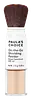
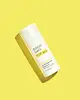
Paula's Choice On-The-Go Shielding Powder SPF 30 Versus Good Days For All On The Bright Side Moisturizer
This mineral sunscreen covers the full UV range and blocks ~97% of UVB at SPF 30.
This barrier-repair moisturizer is formulated around Rice Ferment Filtrate and Squalane to strengthen the skin barrier.

What's inside
What's inside
 Key Ingredients
Benefits
Concerns
Ingredients Side-by-side
Zinc Oxide 19.24%
Cosmetic Colorant


Synthetic Fluorphlogopite
Boron Nitride
Absorbent
Vinyl Dimethicone/Methicone Silsesquioxane Crosspolymer

Silica
Abrasive

Oryza Sativa Bran
Abrasive
Zea Mays Starch
Absorbent
Butylene Glycol
Humectant

Stearic Acid
Cleansing


Ceramide NP
Skin Conditioning



Tocopherol
Antioxidant



Olive Glycerides
Emulsifying
Ascorbyl Palmitate
Antioxidant

Salix Nigra Bark Extract
Skin ProtectingWater
Skin ConditioningTriethoxycaprylylsilane
Polymethylsilsesquioxane
Nylon-6/12
AbsorbentEDTA
ChelatingRetinyl Palmitate
Skin Conditioning
Potassium Sorbate
Preservative
Chlorphenesin
Antimicrobial
Iron Oxides
Zinc Oxide 19.24%, Synthetic Fluorphlogopite, Boron Nitride, Vinyl Dimethicone/Methicone Silsesquioxane Crosspolymer, Silica, Oryza Sativa Bran, Zea Mays Starch, Butylene Glycol, Stearic Acid, Ceramide NP, Tocopherol, Olive Glycerides, Ascorbyl Palmitate, Salix Nigra Bark Extract, Water, Triethoxycaprylylsilane, Polymethylsilsesquioxane, Nylon-6/12, EDTA, Retinyl Palmitate, Potassium Sorbate, Chlorphenesin, Iron Oxides
Rice Ferment Filtrate
Skin Conditioning
Butylene Glycol
Humectant
Caprylic/Capric Triglyceride
Masking
1,2-Hexanediol
Skin Conditioning
Squalane
Emollient
Cetearyl Alcohol
Emollient


Cetearyl Olivate
Sorbitan Olivate
Emulsifying
Streptococcus Thermophilus Ferment
Humectant
Tocopherol
Antioxidant
Ammonium Acryloyldimethyltaurate/Vp Copolymer
Hydroxyethyl Acrylate/Sodium Acryloyldimethyl Taurate Copolymer
Emulsion StabilisingEthylhexylglycerin
Skin ConditioningWater
Skin ConditioningSorbitan Isostearate
Emulsifying
Bifida Ferment Lysate
Skin Conditioning
Glycerin
Humectant
Madecassoside
Antioxidant
Ceramide NP
Skin Conditioning
Lactobacillus Ferment Lysate
Skin Conditioning
Rice Ferment Filtrate, Butylene Glycol, Caprylic/Capric Triglyceride, 1,2-Hexanediol, Squalane, Cetearyl Alcohol, Cetearyl Olivate, Sorbitan Olivate, Streptococcus Thermophilus Ferment, Tocopherol, Ammonium Acryloyldimethyltaurate/Vp Copolymer, Hydroxyethyl Acrylate/Sodium Acryloyldimethyl Taurate Copolymer, Ethylhexylglycerin, Water, Sorbitan Isostearate, Bifida Ferment Lysate, Glycerin, Madecassoside, Ceramide NP, Lactobacillus Ferment Lysate
Ingredients Explained
These ingredients are found in both products.
Ingredients higher up in an ingredient list are typically present in a larger amount.
Butylene Glycol (or BG) is used within cosmetic products for a few different reasons:
Overall, Butylene Glycol is a safe and well-rounded ingredient that works well with other ingredients.
Though this ingredient works well with most skin types, some people with sensitive skin may experience a reaction such as allergic rashes, closed comedones, or itchiness.
Learn more about Butylene GlycolCeramide NP (formerly known as Ceramide 3) is one of the skin's naturally occurring lipids.
Since ceramides are the major lipid components of the skin, they are crucial for maintaining skin barrier and hydration. Ceramide NP most closely mirrors the dominant kind in human skin amongst ceramide subtypes.
This ceramide works by slotting into gaps within the stratum corneum's lipid matrix to limit trans-epidermal water loss (TEWL) and shield the skin against external irritants.
A study with 312 patients found that using a ceramide-containing routine for 4 weeks reduced the severity of atopic dermatitis by over 61%.
Another clinical study in subjects aged 60 and older found that a ceramide body wash and moisturizer improved skin dryness and itchy skin in 15 days.
Overall, ceramides are considered non-irritating and safety tests have found little to no observable adverse effects from using this ingredient.
Ceramide NP is usually sourced from plants (like soybean or rice bran), or produced synthetically.
Learn more about Ceramide NPTocopherol is a fat-soluble antioxidant known as Vitamin E.
You'll find this ingredient in the vast majority of skincare (for good reason). It works to neutralize free radicals, or unstable molecules generated by UV exposure, pollution, and other environmental stressors, before they can cause oxidative damage to your skin cells.
Topically applied tocopherol has been shown to protect against UV damage by ramping up the skin's own natural defense enzymes.
It also acts as a skin conditioning agent; some studies show that regular topical use can improve the skin's water-binding capacity over 2-4 weeks.
This ingredient is especially loved for being a team player. When combined with Vitamin C, the photoprotective effect of both ingredients roughly doubles and the combo also helps reduce UV-induced DNA damage.
This ingredient has some brightening potential but it's more of a prevention ingredient than spot-fader. Cell studies show it can slow down melanin production but it's worth noting that it's not the most powerful brightener out there.
In formulations, it also serves as a stabilizer that helps protect other oxidation-prone ingredients from degrading.
Concentrations usually range from 0.1-1% in most leave-on products.
Learn more about TocopherolWater. It's the most common cosmetic ingredient of all. You'll usually see it at the top of ingredient lists, meaning that it makes up the largest part of the product.
So why is it so popular? Water most often acts as a solvent - this means that it helps dissolve other ingredients into the formulation.
You'll also recognize water as that liquid we all need to stay alive. If you see this, drink a glass of water. Remember to stay hydrated!
Learn more about Water

