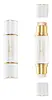
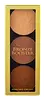
Pat McGrath Labs Skin Fetish Highlighter & Balm Duo Versus Physician's Formula Bronze Booster Highlight & Contour Palette Matte Finish


What's inside
What's inside
 Key Ingredients
Benefits
Concerns
Ingredients Side-by-side
Hydrogenated Polyisobutene
EmollientDiethylhexyl Adipate
EmollientDimethicone
Emollient

Mica
Cosmetic ColorantPolyethylene
Abrasive

Euphorbia Cerifera Wax


Talc
Abrasive
Silica
Abrasive

Polymethyl Methacrylate
Silica Dimethyl Silylate
EmollientPolyglyceryl-3 Diisostearate
Emulsifying

Ascorbyl Palmitate
Antioxidant


Cetearyl Ethylhexanoate
Emollient
Cholesteryl Hydroxystearate
EmollientCitric Acid
Buffering
Glyceryl Oleate
Emollient

Glyceryl Stearate
Emollient
Hydrogenated Microcrystalline Wax
Emulsion StabilisingLecithin
Emollient

Nylon-12

Octyldodecanol
Emollient
Octyldodecyl Stearoyl Stearate
Emollient
Oryza Sativa Bran Oil
Emollient


Simmondsia Chinensis Seed Oil
Emollient
Synthetic Wax
Abrasive
Tocopherol
Antioxidant


CI 77891
Cosmetic ColorantCI 77491
Cosmetic ColorantHydrogenated Polyisobutene, Diethylhexyl Adipate, Dimethicone, Mica, Polyethylene, Euphorbia Cerifera Wax, Talc, Silica, Polymethyl Methacrylate, Silica Dimethyl Silylate, Polyglyceryl-3 Diisostearate, Ascorbyl Palmitate, Cetearyl Ethylhexanoate, Cholesteryl Hydroxystearate, Citric Acid, Glyceryl Oleate, Glyceryl Stearate, Hydrogenated Microcrystalline Wax, Lecithin, Nylon-12, Octyldodecanol, Octyldodecyl Stearoyl Stearate, Oryza Sativa Bran Oil, Simmondsia Chinensis Seed Oil, Synthetic Wax, Tocopherol, CI 77891, CI 77491
Talc
Abrasive
Mica
Cosmetic ColorantCaprylic/Capric Triglyceride
Masking
Isostearyl Palmitate
Emollient
Magnesium Stearate
Cosmetic ColorantSynthetic Wax
Abrasive
Silica
Abrasive
Boron Nitride
Absorbent
Dimethicone
Emollient
Nylon-12
Hdi/Trimethylol Hexyllactone Crosspolymer
Maltodextrin
Absorbent
Polyethylene
Abrasive
Acrylates Copolymer
Mucuna Pruriens Seed Extract
AstringentPtfe
Ascorbyl Palmitate
Antioxidant
Inositol
Humectant
Tocopheryl Acetate
Antioxidant
Iron Oxides
CI 77891
Cosmetic ColorantTalc, Mica, Caprylic/Capric Triglyceride, Isostearyl Palmitate, Magnesium Stearate, Synthetic Wax, Silica, Boron Nitride, Dimethicone, Nylon-12, Hdi/Trimethylol Hexyllactone Crosspolymer, Maltodextrin, Polyethylene, Acrylates Copolymer, Mucuna Pruriens Seed Extract, Ptfe, Ascorbyl Palmitate, Inositol, Tocopheryl Acetate, Iron Oxides, CI 77891
Ingredients Explained
These ingredients are found in both products.
Ingredients higher up in an ingredient list are typically present in a larger amount.
Ascorbyl Palmitate is a fat-soluble form of vitamin C (Ascorbic Acid) made by combining it with palmitic acid.
It is able to blend easily into creams and oil-based formulas because it dissolves in oils rather than water.
As you may know, regular vitamin C is notorious for breaking down when exposed to sunlight and air. Ascorbyl Palmitate is more stable and degrades at a slower rate.
Research on whether it converts efficiently into active vitamin C once it's applied on your skin is still limited.
Some in-vitro studies suggest it may support collagen production, but it is not considered one of the stronger vitamin C derivatives, like:
Due to the palmitic acid base, this ingredient may not be fungal acne safe. Comedogenic studies have also shown this ingredient to have a rating of 2.
It's also worth keeping in mind that comedogenic and irritancy ratings are tested on individual ingredients, not finished formulas. The final product's formulation, concentration, and other ingredients all play a role in how something actually behaves on your skin.
Learn more about Ascorbyl PalmitateCi 77891 is a white pigment from Titanium dioxide. It is naturally found in minerals such as rutile and ilmenite.
It's main function is to add a white color to cosmetics. It can also be mixed with other colors to create different shades.
Ci 77891 is commonly found in sunscreens due to its ability to block UV rays.
Learn more about CI 77891Dimethicone is a type of synthetic silicone created from natural materials such as quartz. It is also known as polydimethylsiloxane.
What it does:
Dimethicone comes in different viscosities:
Depending on the viscosity, dimethicone has different properties.
Ingredients lists don't always show which type is used, so we recommend reaching out to the brand if you have questions about the viscosity.
This ingredient is unlikely to cause irritation because it does not get absorbed into skin. However, people with silicone allergies should be careful about using this ingredient.
Note: Dimethicone may contribute to pilling. This is because it is not oil or water soluble, so pilling may occur when layered with products. When mixed with heavy oils in a formula, the outcome is also quite greasy.
Learn more about DimethiconeMica is a naturally occurring mineral used to add shimmer and color in cosmetics. It can also help improve the texture of a product or give it an opaque, white/silver color.
Serecite is the name for very fine but ragged grains of mica.
This ingredient is often coated with metal oxides like titanium dioxide. Trace amounts of heavy metals may be found in mica, but these metals are not harmful in our personal products.
Mica has been used since prehistoric times throughout the world. Ancient Egyptian, Indian, Greek, Roman, Aztec, and Chinese civilizations have used mica.
Learn more about MicaNylon-12 is a polymer. It is derived from 12-aminododecanoic acid, an omega-amino fatty acid
According to a manufacturer, it is a talc substitute. Like talc, nylon-12 gives products a satin feel. The manufacturer also claims this ingredients does not block pores and has moderate oil absorption.
This ingredient may not be reef-safe.
Learn more about Nylon-12Polyethylene is a synthetic ingredient that helps the skin retain moisture. It is a polymer.
It is also typically used within product formulations to help bind solid ingredients together and thicken oil-based ingredients. When added to balms and emulsions, it helps increase the melting point temperature.
Silica, also known as silicon dioxide, is a naturally occurring mineral. It is used as a fine, spherical, and porous powder in cosmetics.
Though it has exfoliant properties, the function of silica varies depending on the product.
The unique structure of silica enhances the spreadability and adds smoothness, making it a great texture enhancer.
It is also used as an active carrier, emulsifier, and mattifier due to its ability to absorb excess oil.
In some products, tiny microneedles called spicules are made from silica or hydrolyzed sponge. When you rub them in, they lightly polish away dead skin layers and enhance the penetration of active ingredients.
Learn more about SilicaSynthetic Wax is a manufactured hydrocarbon wax. In formulas, it works as an occlusive emollient that helps reduce water loss and improves the spreadability of products.
Research comparing synthetic wax to traditional mineral-derived products found that formulas containing it perform as well for skin hydration.
It is considered non-comedogenic and vegan-friendly.
This ingredient has a well-established safety record by the CIR Expert Panel for Cosmetic Ingredient Safety.
Synthetic Waxes are straight/branched-chain hydrocarbons with no ester bond or fatty acids. That means there is nothing for the Malassezia yeast to feed on.
Learn more about Synthetic WaxTalc is a clay mineral. It helps absorb moisture and improve the texture of products. Like other types of clay, Talc can have a slight exfoliating effect on skin. Talc can be added to increase the volume of products.
Some Baby powders are made by combining talc with corn starch. The word "talc" comes from Latin and originates from Arabic. Talc is a mineral commonly found throughout the world.
If you have any concerns about using talc, we recommend checking out the FDA's official page.
Learn more about Talc

