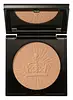
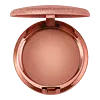
Pat McGrath Labs Skin Fetish Divine Powder Bronzer Versus Mac Cosmetics Skinfinish Sunstruck Radiant Bronzer


What's inside
What's inside
 Key Ingredients
Benefits
Concerns
Ingredients Side-by-side
Talc
Abrasive
Zea Mays Starch
Absorbent
Nylon-12

Dimethicone
Emollient

Octyldodecyl Stearoyl Stearate
Emollient

Isostearyl Neopentanoate
Emollient

Zinc Stearate
Cosmetic ColorantIsopropyl Isostearate
Emollient
Caprylyl Glycol
Emollient
Sodium Dehydroacetate
Preservative
Phenoxyethanol
Preservative
Hexylene Glycol
EmulsifyingIron Oxides
CI 15850
Cosmetic ColorantCI 19140
Cosmetic ColorantMagnesium Myristate
Lauroyl Lysine
Skin Conditioning
Diisostearyl Malate
EmollientIsopentyldiol
Humectant
Tridecyl Trimellitate
EmollientVp/Hexadecene Copolymer
Hdi/Trimethylol Hexyllactone Crosspolymer
Nylon-12
Polymethyl Methacrylate
C13-15 Alkane
SolventPolyglyceryl-3 Polyricinoleate
Emulsifying
Heptyl Undecylenate
EmollientCaprylyl Glycol
Emollient
Caprylic/Capric Triglyceride
Masking

Polyhydroxystearic Acid
Emulsifying
Hexylene Glycol
EmulsifyingIsostearic Acid
Cleansing
Lecithin
Emollient
Synthetic Fluorphlogopite
Silica
Abrasive
Tin Oxide
Abrasive
Phenoxyethanol
Preservative
Mica
Cosmetic ColorantCI 77891
Cosmetic ColorantCI 77491
Cosmetic ColorantCI 77492
Cosmetic ColorantCI 77499
Cosmetic ColorantCI 77163
Cosmetic Colorant
CI 42090
Cosmetic ColorantCI 77400
Cosmetic ColorantCI 77288
Cosmetic ColorantCI 77510
Cosmetic ColorantCI 77742
Cosmetic ColorantCI 15850
Cosmetic ColorantCI 45410
Cosmetic ColorantCI 73360
Cosmetic ColorantCI 16035
Cosmetic ColorantCI 77007
Cosmetic ColorantCI 19140
Cosmetic ColorantCI 15985
Cosmetic ColorantMagnesium Myristate, Lauroyl Lysine, Diisostearyl Malate, Isopentyldiol, Tridecyl Trimellitate, Vp/Hexadecene Copolymer, Hdi/Trimethylol Hexyllactone Crosspolymer, Nylon-12, Polymethyl Methacrylate, C13-15 Alkane, Polyglyceryl-3 Polyricinoleate, Heptyl Undecylenate, Caprylyl Glycol, Caprylic/Capric Triglyceride, Polyhydroxystearic Acid, Hexylene Glycol, Isostearic Acid, Lecithin, Synthetic Fluorphlogopite, Silica, Tin Oxide, Phenoxyethanol, Mica, CI 77891, CI 77491, CI 77492, CI 77499, CI 77163, CI 42090, CI 77400, CI 77288, CI 77510, CI 77742, CI 15850, CI 45410, CI 73360, CI 16035, CI 77007, CI 19140, CI 15985
Ingredients Explained
These ingredients are found in both products.
Ingredients higher up in an ingredient list are typically present in a larger amount.
Caprylyl Glycol is a humectant, skin conditioner, emollient, and preservative booster derived from either caprylic acid or synthetically created.
Typical use levels vary from 0.3-1% as a preservative booster and go up to 2% to condition skin.
Because it is not a free-fatty acid, this ingredient is fungal acne safe (there's nothing for Malassezia to feed on).
Learn more about Caprylyl GlycolCi 15850 is the pigment color red. It is an azo dye and created synthetically.
Azo dyes need to be thoroughly purified before use. This allows them to be more stable and longer-lasting.
This ingredient is common in foundations, lipsticks, and blushes. This color is described as brown/orangey red.
It has many secondary names such as Red 6 and Red 7. According to a manufacturer, Red 6 usually contains aluminum.
Learn more about CI 15850CI 19140 is also known as Tartrazine. Tartrazine is a synthetic dye used in cosmetics, foods, and medicine to add a yellow color.
Tartrazine is created from petroleum and is water-soluble.
Some people may experience allergies from this dye, especially asthmatics and those with an aspirin intolerance.
Learn more about CI 19140Hexylene Glycol is a multitasker ingredient that works as a solvent, humectant, emulsifier, viscosity reducer, and preservative booster.
It is able to dissolve both water and oil-soluble ingredients to stabilize tricky actives and make products spread more easily.
As a humectant, it pulls water into the skin. But it's a pretty minor moisturizing ingredient compared to other humectants, like glycerin.
Interestingly, it can act as a mild penetration enhancer. One in vitro study on human skin found a 12% concentration upped the absorption of mometasone furoate (a medicinal ingredient used to treat inflammatory skin conditions) up to 7%.
This ingredient is typically used at levels of 0.1-10% depending on the role it's playing.
A patch test study on eczema patients didn't find a significant increase in irritation versus the control group, but the potential for irritation rises at higher concentrations.
Learn more about Hexylene GlycolNylon-12 is a polymer. It is derived from 12-aminododecanoic acid, an omega-amino fatty acid
According to a manufacturer, it is a talc substitute. Like talc, nylon-12 gives products a satin feel. The manufacturer also claims this ingredients does not block pores and has moderate oil absorption.
This ingredient may not be reef-safe.
Learn more about Nylon-12Phenoxyethanol is one of the most widely used preservatives in skincare (and for good reason!).
It has a large spectrum of antimicrobial activity and especially effective bacteria, yeast, and mold while only having a weak effect on your skin's natural microbiome.
On a cellular level, it disrupts the cell membranes of microbes by poking holes that make the cell leak. This shuts down the chemical reactions the microbe needs to make energy so it can no longer survive.
Another perk of this ingredient is that it stays functional across a wide pH range (3-10).
You'll often see it paired with boosters like Ethylhexylglycerin; one study showed that a 1:9 ratio of Ethylhexylglycerin to Phenoxyethanol damages bacterial membranes as effectively as doubling the Phenoxyethanol concentration on its own.
Typical use concentrations range from 0.3-1% depending on the formula, and this ingredient is capped at 1% int the EU.
Safety-wise, the fear mongering does not hold up to the evidence. The EU's Scientific Committee on Consumer Safety and FDA consider it safe as a preservative at up to 1%, including for children of all ages.
Adverse systemic effects only showed up in animal studies at exposures roughly 200x higher than what people get from cosmetics. And despite its very widespread use, this ingredient is a rare sensitizer and allergic reactions are uncommon.
Learn more about Phenoxyethanol

