
What's inside
What's inside
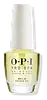 Key Ingredients
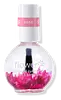
Benefits
Concerns
Ingredients Side-by-side
Persea Gratissima Oil
Skin Conditioning





Ethylhexyl Palmitate
Emollient
Vitis Vinifera Seed Oil
Emollient
Isopropyl Palmitate
Emollient
Helianthus Annuus Seed Oil
Emollient
Lecithin
Emollient
Sesamum Indicum Seed Oil
Emollient
Caprylic/Capric Triglyceride
Masking
Parfum
Masking


Aleurites Moluccanus Seed Oil
Skin Conditioning
Limonene
Perfuming
BHT
Antioxidant
Alcohol
Antimicrobial

Oleic Acid
Emollient
Glyceryl Stearate
Emollient
Linalool
Perfuming
Citronellol
Perfuming
Theobroma Grandiflorum Seed Butter
Skin Conditioning
Ascorbyl Palmitate
Antioxidant


Tocopherol
Antioxidant


Geraniol
Perfuming
Citral
Perfuming
Ricinus Communis Seed Oil
Masking
Camellia Sinensis Leaf Extract
Antimicrobial


CI 19140
Cosmetic ColorantPersea Gratissima Oil, Ethylhexyl Palmitate, Vitis Vinifera Seed Oil, Isopropyl Palmitate, Helianthus Annuus Seed Oil, Lecithin, Sesamum Indicum Seed Oil, Caprylic/Capric Triglyceride, Parfum, Aleurites Moluccanus Seed Oil, Limonene, BHT, Alcohol, Oleic Acid, Glyceryl Stearate, Linalool, Citronellol, Theobroma Grandiflorum Seed Butter, Ascorbyl Palmitate, Tocopherol, Geraniol, Citral, Ricinus Communis Seed Oil, Camellia Sinensis Leaf Extract, CI 19140



Alternatives
Ingredients Explained
These ingredients are found in both products.
Ingredients higher up in an ingredient list are typically present in a larger amount.
Sesamum Indicum Seed Oil is the cold-pressed oil from sesame seeds.
It is an emollient and skin conditioning agent made up of roughly 82-85% unsaturated fatty acids, mostly linoleic (~41%) and oleic acid (~39%).
This pairing gives it barrier-supporting and moisturizing properties. Linoleic acid, an essential omega-6 fatty acid, can be incorporated into complex skin lipids. Topical application has shown barrier repair, anti-inflammatory, and wound-healing effects in cell and animal studies.
Beyond fatty acids, sesame oil brings something more distinctive to the table:
It contains natural antioxidants sesamol, sesamolin, and gamma-tocopherol. These also give the oil notably high oxidative stability.
One of the oil's key lignans, sesamin, has also demonstrated anti-inflammatory activity in preclinical models.
A 2023 clinical study found that a single application of sesame seed oil to the forearms of 35 healthy women improved stratum corneum hydration (though it didn't outperform raspberry seed oil).
The comedogenic rating of 1-3 depends on the type of sesame oil; unrefined carries a rating of 3 while refined sesame oil drops to a 1.
This ingredient may not be safe for fungal acne as it contains fatty acids that can feed Malassezia.
Learn more about Sesamum Indicum Seed OilVitis Vinifera Seed Oil comes from the grape vine. Grape seeds are a byproduct of creating grape juice or wine.
The components of grape seeds have many skin benefits. Research has found it to be antimicrobial and anti-inflammatory. It also contains many potent antioxidants such as Vitamin E , Vitamin C, proanthocyanidins, polyphenols, flavonoids, and anthocyanins. Proanthocyanidin has been shown to help even out skin tone.
Antioxidants help fight free-radical molecules. Free-radical molecules are capable of damaging our cells and other genetic material. Antioxidants help stabilize free-radicals by donating extra electrons. Grape seed extract may help reduce the signs of aging.
The antimicrobial properties of grape seed may help treat acne. However, more research is needed to support this claim.
Grape seed has also been found to help absorb UV rays. Grape seed extract should not replace your sunscreen.
The fatty acids of grape seed oil give it emollient properties. Emollients help soothe and soften your skin by creating a film. This film traps moisture within, keeping your skin hydrated.
Learn more about Vitis Vinifera Seed Oil

