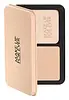
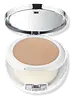
Make Up For Ever HD Skin Powder Foundation Versus Clinique Beyond Perfecting Powder Foundation + Concealer


What's inside
What's inside
 Key Ingredients
Benefits
Concerns
Ingredients Side-by-side
Synthetic Fluorphlogopite
Boron Nitride
Absorbent
Pentaerythrityl Tetraisostearate
Emollient

Silica
Abrasive

Polymethyl Methacrylate
Alumina
Abrasive
Zinc Laurate
Methicone
Emollient
Dimethicone
Emollient
Caprylyl Glycol
Emollient
Ethylhexylglycerin
Skin ConditioningSodium Dehydroacetate
Preservative
Aluminum Hydroxide
EmollientHydrogen Dimethicone
Tocopherol
Antioxidant







CI 77491
Cosmetic ColorantCI 77492
Cosmetic ColorantCI 77499
Cosmetic ColorantCI 77891
Cosmetic ColorantCI 77163
Cosmetic Colorant

Synthetic Fluorphlogopite, Boron Nitride, Pentaerythrityl Tetraisostearate, Silica, Polymethyl Methacrylate, Alumina, Zinc Laurate, Methicone, Dimethicone, Caprylyl Glycol, Ethylhexylglycerin, Sodium Dehydroacetate, Aluminum Hydroxide, Hydrogen Dimethicone, Tocopherol, CI 77491, CI 77492, CI 77499, CI 77891, CI 77163
Talc
Abrasive
Octyldodecyl Stearoyl Stearate
Emollient
Zinc Stearate
Cosmetic ColorantZinc Laurate
Dimethicone
Emollient
Bentonite
Absorbent
Hdi/Trimethylol Hexyllactone Crosspolymer
Silica
Abrasive
Astrocaryum Murumuru Seed Butter
Emollient
Glycerin
Humectant
Squalane
Emollient
Lauroyl Lysine
Skin Conditioning
Hydrolyzed Soy Protein
Humectant
Cetearyl Dimethicone Crosspolymer
Lecithin
Emollient
Tocopheryl Acetate
Antioxidant
Tetrahexyldecyl Ascorbate
Antioxidant

Water
Skin ConditioningMagnesium Myristate
Potassium Sorbate
Preservative
Coconut Acid
Cleansing
Tetrasodium EDTA
ChelatingChlorphenesin
Antimicrobial
Mica
Cosmetic ColorantCI 77891
Cosmetic ColorantCI 77491
Cosmetic ColorantCI 77492
Cosmetic ColorantCI 77499
Cosmetic ColorantCI 77007
Cosmetic ColorantCI 77163
Cosmetic Colorant
CI 15850
Cosmetic ColorantCI 42090
Cosmetic ColorantCI 75470
Cosmetic ColorantTalc, Octyldodecyl Stearoyl Stearate, Zinc Stearate, Zinc Laurate, Dimethicone, Bentonite, Hdi/Trimethylol Hexyllactone Crosspolymer, Silica, Astrocaryum Murumuru Seed Butter, Glycerin, Squalane, Lauroyl Lysine, Hydrolyzed Soy Protein, Cetearyl Dimethicone Crosspolymer, Lecithin, Tocopheryl Acetate, Tetrahexyldecyl Ascorbate, Water, Magnesium Myristate, Potassium Sorbate, Coconut Acid, Tetrasodium EDTA, Chlorphenesin, Mica, CI 77891, CI 77491, CI 77492, CI 77499, CI 77007, CI 77163, CI 15850, CI 42090, CI 75470
Ingredients Explained
These ingredients are found in both products.
Ingredients higher up in an ingredient list are typically present in a larger amount.
CI 77163 is the color-index name for Bismuth Oxychloride, a lab-made white powder that acts as a pearl pigment.
It's what gives a lot of pressed powders, eyeshadows, highlighteres, and mineral foundations that soft pearly glow.
Due to its structure as flat, plate-like crystals that stack like tiles, it feels silky and sticks to skin well. This also makes it very chemically stable and insoluble under normal skin conditions (this just means it sits on top of skin rather than going into it).
It has an interesting quirk: it slowly goes gray in sunlight and the graying is partly reversible in the dark.
At this time, there's no legal cap on how much a brand can use. Both the FDA and the EU permit it without restriction so real-world concentration levels come down to formulation:
Allergy risk is low as well since it's insoluble and doesn't release free metal ions into skin. True allergic contact dermatitis to it is rare enough that there's very little published cases.
However, mineral makeup users do report itching or stinging. The leading explanation for this is irritation from those stiff platelet crystals rubbing on skin (also more likely with heavy, high-percentage loose mineral powders) rather than an immune reaction.
This ingredient shows up on a lot of "pore-clogging" lists but there's no real evidence behind that. It doesn't even have a comedogenic rating from an actual study; the numbers you'll find online come from blogs citing other blogs.
Some people still find it breaks them out. So if that's you, definitely trust your skin.
Learn more about CI 77163Ci 77491 is also hydrated iron III oxide. It's sole purpose is to give a red/pink hue to products.
Iron III oxides are classified as inorganic chemicals for coloring.
Synthetically created Ci 77491 is considered safer than those naturally found. This is because the synthetically created version may contain less impurities. Iron oxides are generally non-toxic and non-allergenic.
Learn more about CI 77491CI 77492 is also hydrated iron III oxide. It's sole purpose is to give a yellow hue to products.
Iron III oxides are classified as inorganic chemicals for coloring.
Synthetically created CI 77492 is considered safer than those naturally found. This is because the synthetically created version may contain less impurities. Iron oxides are generally non-toxic and non-allergenic.
Learn more about CI 77492Ci 77499 is also hydrated iron III oxide. It is created from mixing red and black iron oxides. This helps give shades of darkness to a product.
Iron III oxides are classified as inorganic chemicals for coloring.
Ci 77891 is a white pigment from Titanium dioxide. It is naturally found in minerals such as rutile and ilmenite.
It's main function is to add a white color to cosmetics. It can also be mixed with other colors to create different shades.
Ci 77891 is commonly found in sunscreens due to its ability to block UV rays.
Learn more about CI 77891Dimethicone is a type of synthetic silicone created from natural materials such as quartz. It is also known as polydimethylsiloxane.
What it does:
Dimethicone comes in different viscosities:
Depending on the viscosity, dimethicone has different properties.
Ingredients lists don't always show which type is used, so we recommend reaching out to the brand if you have questions about the viscosity.
This ingredient is unlikely to cause irritation because it does not get absorbed into skin. However, people with silicone allergies should be careful about using this ingredient.
Note: Dimethicone may contribute to pilling. This is because it is not oil or water soluble, so pilling may occur when layered with products. When mixed with heavy oils in a formula, the outcome is also quite greasy.
Learn more about DimethiconeSilica, also known as silicon dioxide, is a naturally occurring mineral. It is used as a fine, spherical, and porous powder in cosmetics.
Though it has exfoliant properties, the function of silica varies depending on the product.
The unique structure of silica enhances the spreadability and adds smoothness, making it a great texture enhancer.
It is also used as an active carrier, emulsifier, and mattifier due to its ability to absorb excess oil.
In some products, tiny microneedles called spicules are made from silica or hydrolyzed sponge. When you rub them in, they lightly polish away dead skin layers and enhance the penetration of active ingredients.
Learn more about SilicaWe don't have a description for Zinc Laurate yet.


