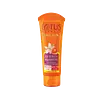
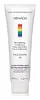
Lotus Herbals Safe Sun UV Screen Mattegel Sunscreen SPF 50 Versus VMV Hypoallergenics Armada Face Cover 45
This chemical sunscreen covers the full UV range and blocks ~98% of UVB at SPF 50.
This hybrid sunscreen covers the full UV range, though its SPF isn't confirmed on file yet.


What's inside
What's inside
 Key Ingredients
Benefits
Concerns
Ingredients Side-by-side
Water
Skin ConditioningMethylene Bis-Benzotriazolyl Tetramethylbutylphenol
UV Filter
Phenylbenzimidazole Sulfonic Acid
UV Absorber
Butyl Methoxydibenzoylmethane
UV Absorber
Methoxycinnamidopropyl Hydroxysultaine
UV AbsorberDisodium Phenyl Dibenzimidazole Tetrasulfonate
UV Absorber
Aesculus Hippocastanum Extract
Antioxidant
Vanilla Planifolia Fruit Extract
Skin Conditioning
Symphytum Officinale Callus Culture Extract
Skin ConditioningHydroxyethyl Urea
Humectant
Sodium Polyacrylate
Absorbent
Ethylhexyl Stearate
Emollient




Trideceth-6
EmulsifyingCyclopentasiloxane
Emollient
Dimethicone Crosspolymer
Emulsion Stabilising
Triethanolamine
BufferingAluminum Starch Octenylsuccinate
Absorbent
Phenoxyethanol
Preservative
Ethylhexylglycerin
Skin ConditioningOctenidine Hcl
AntimicrobialParfum
Masking


Water, Methylene Bis-Benzotriazolyl Tetramethylbutylphenol, Phenylbenzimidazole Sulfonic Acid, Butyl Methoxydibenzoylmethane, Methoxycinnamidopropyl Hydroxysultaine, Disodium Phenyl Dibenzimidazole Tetrasulfonate, Aesculus Hippocastanum Extract, Vanilla Planifolia Fruit Extract, Symphytum Officinale Callus Culture Extract, Hydroxyethyl Urea, Sodium Polyacrylate, Ethylhexyl Stearate, Trideceth-6, Cyclopentasiloxane, Dimethicone Crosspolymer, Triethanolamine, Aluminum Starch Octenylsuccinate, Phenoxyethanol, Ethylhexylglycerin, Octenidine Hcl, Parfum
Phenylbenzimidazole Sulfonic Acid
UV Absorber
Zinc Oxide
Cosmetic Colorant
Butyl Methoxydibenzoylmethane
UV Absorber
Titanium Dioxide
Cosmetic Colorant
Water
Skin ConditioningCyclopentasiloxane
Emollient
Triethanolamine
BufferingPEG-10 Dimethicone
Skin Conditioning
Glyceryl Laurate
Emollient
Vp/Hexadecene Copolymer
Hydrogen Dimethicone
Tetrasodium EDTA
ChelatingAluminum Hydroxide
EmollientTocopheryl Acetate
Antioxidant

Citric Acid
Buffering
Zirconium Dioxide
Phenylbenzimidazole Sulfonic Acid, Zinc Oxide, Butyl Methoxydibenzoylmethane, Titanium Dioxide, Water, Cyclopentasiloxane, Triethanolamine, PEG-10 Dimethicone, Glyceryl Laurate, Vp/Hexadecene Copolymer, Hydrogen Dimethicone, Tetrasodium EDTA, Aluminum Hydroxide, Tocopheryl Acetate, Citric Acid, Zirconium Dioxide
Reviews
Ingredients Explained
These ingredients are found in both products.
Ingredients higher up in an ingredient list are typically present in a larger amount.
Also known as Avobenzone, this ingredient is an oil-soluble used to absorb the full spectrum of UVA rays (peak 357 nm).
It's one of the most effective UVA filters available but has a major caveat of photostability: avobenzone is susceptible to photodegradation.
This means it can lose efficacy when exposed to sunlight without the help of a stabilizing agent.
Studies show antioxidants (like vitamin E or vitamin C) and some UV filters (like octocrylene and Tinosorb S) can meaningfully improve its stability in a formulation.
The maximum allowable concentration according to regulation is 3% in the US + Canada, and 5% in the EU, Australia, China, Korea, and ASEAN countries.
It has a well-support safety profile: a comprehensive 2025 review found minimal toxicity with no evidence of carcinogenicity.
Overall, avobenzone is a safe and regulated ingredient used in sunscreen for over 40 years.
Learn more about Butyl MethoxydibenzoylmethaneCyclopentasiloxane (D5) is a lightweight silicone that mostly acts as an emollient and solvent in cosmetics. Its the reason your products feel silky, fast-spreading, and non-greasy.
Since D5 is volatile, it does its thing and then evaporates off the skin quickly.
The safety profile of this ingredient is reassuring; the US CIR Expert Panel concluded D5 is safe as used in cosmetics and Health Canada concluded that D5 is not harmful to human health or the environment as currently used in cosmetics
There's a study that people mention about D5 in a rat study showing tumors. This study is related to long-term inhalation of high D5 levels.
Regulatory bodies have judged this study to be not applicable in topical skincare since skin absorption of D5 is very low and we're not really inhaling huge amounts of D5.
The only restriction for this ingredient is environmental. The European Chemicals Agency (ECHA) restricted D5 in wash-off cosmetics at or above 0.1% due to their persistence in water.
Learn more about CyclopentasiloxanePhenylbenzimidazole Sulfonic Acid (aka Ensulizole) is a chemical UV filter that's a bit of a unicorn in the sunscreen world: it's water-soluble where most organic filters are oil-based.
Being water-solubility is the headline because it feels lightweight and non-greasy in formulations. This makes it suitable for oily or acne-prone skin in gel/water-based products.
Ensulizole primarily protects against UVB radiation (~290-320 nm) but offers some minimal UVA protection. You'll see it often paired with UVA filters to ensure broad-spectrum coverage.
Interestingly, it can help boost SPF and stabilize finicky filters when combined with other UVB absorbers.
The FDA has approved this ingredient for OTC sunscreens up to 4% and the EU's Scientific Committee on Consumer Products concluded that up to 8% is allowed in cosmetics.
In practice, you'll most likely see it formulated around 1-4%.
Safety-wise, it is neither irritating nor sensitizing, shows no photoallergenic potential, and in vivo tests show no mutagenic potential.
You might see discussion about the "double-edged sword" effect of this ingredient. This is because lab tests done on cells in a dish (not on humans) showed Ensulizole can create small amounts of unstable molecules called free radicals that can damage DNA when exposed to UV light. It sounds scary but this is just test-tube research. There hasn't been proof that this can happen when used in a sunscreen on skin.
Learn more about Phenylbenzimidazole Sulfonic AcidTriethanolamine (TEA) is an emulsifier and pH adjuster. It is created using ethylene oxide and ammonia. This gives Triethanolamine a nitrogen core and a similar scent to ammonia.
As an emulsifier, it prevents ingredients from separating and enhances texture by adding volume to a product.
PH adjusters are common in cosmetic products. The pH of a product can affect the effectiveness of other ingredients. A product with a high pH may also irritate the skin.
If you are looking for the tea leaf ingredient, click here.
Learn more about TriethanolamineWater. It's the most common cosmetic ingredient of all. You'll usually see it at the top of ingredient lists, meaning that it makes up the largest part of the product.
So why is it so popular? Water most often acts as a solvent - this means that it helps dissolve other ingredients into the formulation.
You'll also recognize water as that liquid we all need to stay alive. If you see this, drink a glass of water. Remember to stay hydrated!
Learn more about Water