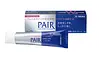
This acne treatment is formulated around Niacinamide and Sulfur to clear breakouts and refine the look of pores.


What's inside
What's inside
 Key Ingredients
No key ingredients
Benefits
Concerns
Ingredients Side-by-side




Water
Skin ConditioningAlcohol
Antimicrobial




Propylene Glycol
Humectant
Hydroxyethyl Acrylate/Sodium Acryloyldimethyl Taurate Copolymer
Emulsion StabilisingNiacinamide
Smoothing











Sulfur
Antiseborrhoeic
Zinc Gluconate
Skin Conditioning
Salicylic Acid
Masking

Succinic Acid
BufferingSodium Hydroxide
BufferingPanthenol
Skin Conditioning
Dipotassium Glycyrrhizate
Humectant
Phenoxyethanol
Preservative
Sorbitan Isostearate
Emulsifying
Polysorbate 60
Emulsifying
O-Cymen-5-Ol
Antimicrobial
Allantoin
Skin Conditioning
Hydrolyzed Royal Jelly Protein
Skin ConditioningEthylhexylglycerin
Skin ConditioningDisodium EDTA
ChelatingAsiaticoside
Antioxidant
Madecassic Acid
Skin Conditioning
Asiatic Acid
Skin Conditioning
Water, Alcohol, Propylene Glycol, Hydroxyethyl Acrylate/Sodium Acryloyldimethyl Taurate Copolymer, Niacinamide, Sulfur, Zinc Gluconate, Salicylic Acid, Succinic Acid, Sodium Hydroxide, Panthenol, Dipotassium Glycyrrhizate, Phenoxyethanol, Sorbitan Isostearate, Polysorbate 60, O-Cymen-5-Ol, Allantoin, Hydrolyzed Royal Jelly Protein, Ethylhexylglycerin, Disodium EDTA, Asiaticoside, Madecassic Acid, Asiatic Acid
Reviews
Ingredients Explained
These ingredients are found in both products.
Ingredients higher up in an ingredient list are typically present in a larger amount.
Disodium EDTA is a chelating agent. It grabs onto and deactivates metal ions that sneak into your products from water, packaging, or air.
This ingredient mainly works behind the scenes and helps with:
On top of that, this ingredient can counteract the effects of hard water by binding to the minerals in it.
One thing worth knowing is that Disodium EDTA has been shown to be a mild penetration enhancer. It can help other ingredients absorb into skin more effectively which can be a double-edged sword (great for actives, but can also make the active too strong if you have sensitive skin).
Clinical patch testing showed no significant skin irritation at typical use concentrations and minimal dermal absorption.
You'll most likely see this ingredient near the end of an ingredient list. It's typically found in concentrations less than 1%.
Learn more about Disodium EDTAThis ingredient is more commonly known as IPMP or Isopropyl Methylphenol. It is a preservative and has antimicrobial properties.
According to the EPA, this ingredient is allowed for use in cleansers, creams, powders, bath products, toothpaste, perfume, and more.
Polysorbate 60 is used to help stabilize products. It is a surfactant and emulsifier. These properties help keep ingredients together in a product. Surfactants help reduce surface tension between ingredients with different states, such as liquids and solids. Emulsifiers help prevent oils and waters from separating.
Polysorbate 60 is sorbitol-based and created from the ethoxylation of sorbitan. Ethoxylation is a chemical reaction used to add ethylene oxide. Sorbitan is a the dehydrated version of sorbitol, a sugar found in fruits.
In this case, the 60 comes from reacting 60 units of ethylene oxide with sorbitan.
Polysorbates are commonly used in medicine and foods.
Learn more about Polysorbate 60

