Laura Mercier Ultra Blur Translucent Lose Setting Powder Versus Sephora Collection Translucent Loose Setting Powder

What's inside
What's inside
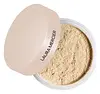 Key Ingredients
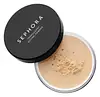
Benefits
Concerns
Ingredients Side-by-side
Mica
Cosmetic ColorantLauroyl Lysine
Skin Conditioning
Zinc Stearate
Cosmetic ColorantAluminum Starch Octenylsuccinate
Absorbent
Silica
Abrasive

C13-15 Alkane
SolventEthylhexylglycerin
Skin ConditioningHelianthus Annuus Seed Oil
Emollient



Tocopherol
Antioxidant






Sodium Hyaluronate
Humectant
Sorbic Acid
Preservative
Blue 1 Lake
Cosmetic ColorantIron Oxides
CI 77742
Cosmetic ColorantCI 15850
Cosmetic ColorantCI 77891
Cosmetic ColorantCI 77007
Cosmetic ColorantCI 19140
Cosmetic ColorantTalc
Abrasive
Calcium Aluminum Borosilicate
Nylon-12

Caprylic/Capric Triglyceride
Masking
Ethylhexyl Palmitate
Emollient


Zea Mays Starch
Absorbent
Caprylyl Glycol
Emollient
Sodium Dehydroacetate
Preservative
Sorbic Acid
Preservative
Polymethyl Methacrylate
CI 77007
Cosmetic ColorantCI 77492
Cosmetic ColorantCI 77491
Cosmetic ColorantCI 77499
Cosmetic ColorantMethicone
Emollient
Water
Skin ConditioningKaolin
Abrasive
Sodium Sulfate
Reviews
Ingredients Explained
These ingredients are found in both products.
Ingredients higher up in an ingredient list are typically present in a larger amount.
This pigment is called Ultramarine blue lazurite. It gives a saturated blue color, but can be used to create other colors as well.
According to the manufacturer, it is usually made from kaolin, sodium sulfate, sodium carbonate, sulfur, and charcoal.
Sorbic Acid is a preservative that stops your product from spoiling by stopping microbes from growing.
As a preservative, it's kind of a specialist: it has a broad spectrum of activity against yeast and molds but is weaker against bacteria. That's why it's often paired with another preservative to cover that gap.
This ingredient is also pretty picky about pH; it performs best at pH 6.5 or below.
At the right pH level, sorbic acid is "active" and can slip through the outer wall of a microbe. Once inside, it turns the cell's interior more acidic to shut down the microbe from the inside.
The EU caps this ingredient at 0.6% while the CIR has concluded it's safe at concentrations up to 1%. It's most often used around 0.05-0.2% in cosmetics.
Though this ingredient is considered low-sensitizing and well-tolerated, a very small number of people may have a contact allergy to it. Be sure to patch test if you have a history of allergies towards preservatives.
Learn more about Sorbic Acid

