

What's inside
What's inside
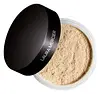 Key Ingredients
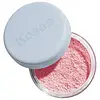
Benefits
Concerns
Ingredients Side-by-side
Talc
Abrasive
Magnesium Myristate
Nylon-12


Caprylic/Capric Triglyceride
Masking


Ethylhexyl Palmitate
Emollient




Zea Mays Starch
Absorbent
Methicone
Emollient
Lauroyl Lysine
Skin Conditioning
Polymethyl Methacrylate
Ascorbyl Palmitate
Antioxidant



Glycine Soja Oil
Emollient


Tocopherol
Antioxidant


Methylparaben
Preservative

Sodium Dehydroacetate
Preservative
Propylparaben
Preservative
Butylparaben
Masking
Iron Oxides
CI 77891
Cosmetic ColorantCI 19140
Cosmetic ColorantCI 77007
Cosmetic ColorantTalc, Magnesium Myristate, Nylon-12, Caprylic/Capric Triglyceride, Ethylhexyl Palmitate, Zea Mays Starch, Methicone, Lauroyl Lysine, Polymethyl Methacrylate, Ascorbyl Palmitate, Glycine Soja Oil, Tocopherol, Methylparaben, Sodium Dehydroacetate, Propylparaben, Butylparaben, Iron Oxides, CI 77891, CI 19140, CI 77007
Mica
Cosmetic ColorantSilica
Abrasive
Isodecyl Neopentanoate
EmollientBambusa Arundinacea Stem Extract
Skin ConditioningBoron Nitride
Absorbent
Hydrogenated Vegetable Oil
Emollient
C15-19 Alkane
SolventHelianthus Annuus Seed Oil
Emollient
Tocopherol
Antioxidant
Citric Acid
Buffering
Glyceryl Undecylenate
Emollient
Glyceryl Caprylate
EmollientPentylene Glycol
Skin Conditioning
Sodium Dehydroacetate
Preservative
CI 19140
Cosmetic ColorantCI 45410
Cosmetic ColorantCI 15850
Cosmetic Colorant
Reviews
Ingredients Explained
These ingredients are found in both products.
Ingredients higher up in an ingredient list are typically present in a larger amount.
CI 19140 is also known as Tartrazine. Tartrazine is a synthetic dye used in cosmetics, foods, and medicine to add a yellow color.
Tartrazine is created from petroleum and is water-soluble.
Some people may experience allergies from this dye, especially asthmatics and those with an aspirin intolerance.
Learn more about CI 19140Sodium Dehydroacetate is a synthetic preservative and sodium salt form of dehydroacetic acid. It stops bacteria, mold, and yeast from growing in your products at low concentrations.
Clinical testing found it to be non-irritating, non-sensitizing, and non-photosensitizing. It's also not significantly absorbed through skin.
There are a very small number of reported cases of contact dermatitis in cases linked to wound-care creams used over compromised skin (rather than skincare).
Overall, this is a well-studied and low-risk preservative just doing its job.
Typical concentrations run up to 0.6%, which is also the maximum amount permitted under both EU CosIng regulations and US FDA guidelines.
Learn more about Sodium DehydroacetateTocopherol is a fat-soluble antioxidant known as Vitamin E.
You'll find this ingredient in the vast majority of skincare (for good reason). It works to neutralize free radicals, or unstable molecules generated by UV exposure, pollution, and other environmental stressors, before they can cause oxidative damage to your skin cells.
Topically applied tocopherol has been shown to protect against UV damage by ramping up the skin's own natural defense enzymes.
It also acts as a skin conditioning agent; some studies show that regular topical use can improve the skin's water-binding capacity over 2-4 weeks.
This ingredient is especially loved for being a team player. When combined with Vitamin C, the photoprotective effect of both ingredients roughly doubles and the combo also helps reduce UV-induced DNA damage.
This ingredient has some brightening potential but it's more of a prevention ingredient than spot-fader. Cell studies show it can slow down melanin production but it's worth noting that it's not the most powerful brightener out there.
In formulations, it also serves as a stabilizer that helps protect other oxidation-prone ingredients from degrading.
Concentrations usually range from 0.1-1% in most leave-on products.
Learn more about Tocopherol

