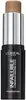
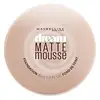
L'Oreal Infallible Longwear Shaping Stick Foundation Versus Maybelline Dream Matte Mousse Foundation


What's inside
What's inside
 Key Ingredients
Benefits
Concerns
Ingredients Side-by-side
Dimethicone
Emollient

Octyldodecyl Neopentanoate
EmollientPhenyl Trimethicone
Skin Conditioning
Dicaprylyl Carbonate
EmollientHydrogenated Jojoba Oil
Abrasive



Nylon-12


Ethylhexyl Methoxycinnamate
UV Absorber

Hydrogenated Polyisobutene
EmollientSilica Dimethyl Silylate
EmollientPolyethylene
Abrasive
Talc
Abrasive
Disodium Stearoyl Glutamate
CleansingAluminum Hydroxide
EmollientTocopheryl Acetate
Antioxidant


BHT
Antioxidant
Tocopherol
Antioxidant




Dimethicone, Octyldodecyl Neopentanoate, Phenyl Trimethicone, Dicaprylyl Carbonate, Hydrogenated Jojoba Oil, Nylon-12, Ethylhexyl Methoxycinnamate, Hydrogenated Polyisobutene, Silica Dimethyl Silylate, Polyethylene, Talc, Disodium Stearoyl Glutamate, Aluminum Hydroxide, Tocopheryl Acetate, BHT, Tocopherol
Cyclopentasiloxane
Emollient
Dimethicone
Emollient
Squalane
Emollient
Dimethicone Crosspolymer
Emulsion Stabilising
Dimethicone/Vinyl Dimethicone Crosspolymer
Skin Conditioning
Hydrogenated Jojoba Oil
Abrasive
Polymethylsilsesquioxane
Methyl Methacrylate Crosspolymer
Silica Dimethyl Silylate
EmollientPhenoxyethanol
Preservative
Phenyl Trimethicone
Skin Conditioning
Disodium Stearoyl Glutamate
CleansingVinyl Dimethicone/Methicone Silsesquioxane Crosspolymer
Methylparaben
Preservative
Aluminum Hydroxide
EmollientBHT
Antioxidant
Butylparaben
Masking
Ethylparaben
Preservative
Propylparaben
Preservative
CI 77891
Cosmetic ColorantCI 77491
Cosmetic ColorantCI 77492
Cosmetic ColorantCI 77499
Cosmetic ColorantCI 77163
Cosmetic Colorant
Fish Oil
Skin Conditioning
Cyclopentasiloxane, Dimethicone, Squalane, Dimethicone Crosspolymer, Dimethicone/Vinyl Dimethicone Crosspolymer, Hydrogenated Jojoba Oil, Polymethylsilsesquioxane, Methyl Methacrylate Crosspolymer, Silica Dimethyl Silylate, Phenoxyethanol, Phenyl Trimethicone, Disodium Stearoyl Glutamate, Vinyl Dimethicone/Methicone Silsesquioxane Crosspolymer, Methylparaben, Aluminum Hydroxide, BHT, Butylparaben, Ethylparaben, Propylparaben, CI 77891, CI 77491, CI 77492, CI 77499, CI 77163, Fish Oil
Ingredients Explained
These ingredients are found in both products.
Ingredients higher up in an ingredient list are typically present in a larger amount.
Aluminum Hydroxide is a form of aluminum. It can be naturally found in nature as the mineral gibbsite. In cosmetics, Aluminum Hydroxide is used as a colorant, pH adjuster, and absorbent.
As a colorant, Aluminum Hydroxide may add opacity, or reduce the transparency. Aluminum hydroxide is contains both basic and acidic properties.
According to manufacturers, this ingredient is an emollient and humectant. This means it helps hydrate the skin.
In medicine, this ingredient is used to help relieve heartburn and help heal ulcers.
There is currently no credible scientific evidence linking aluminum hydroxide in cosmetics to increased cancer risk.
Major health organizations allow the use of aluminum hydroxide in personal care products and have not flagged it as a carcinogenic risk at typical usage levels.
Learn more about Aluminum HydroxideBHT is a synthetic antioxidant and preservative.
As an antioxidant, it helps your body fight off free-radicals. Free-radicals are molecules that may damage your skin cells.
As a preservative, it is used to stabilize products and prevent them from degrading. Specifically, BHT prevents degradation from oxidation.
The concerns related to BHT come from oral studies; this ingredient is currently allowed for use by both the FDA and EU.
However, it was recently restricted for use in the UK as of April 2024.
Learn more about BHTDimethicone is a type of synthetic silicone created from natural materials such as quartz. It is also known as polydimethylsiloxane.
What it does:
Dimethicone comes in different viscosities:
Depending on the viscosity, dimethicone has different properties.
Ingredients lists don't always show which type is used, so we recommend reaching out to the brand if you have questions about the viscosity.
This ingredient is unlikely to cause irritation because it does not get absorbed into skin. However, people with silicone allergies should be careful about using this ingredient.
Note: Dimethicone may contribute to pilling. This is because it is not oil or water soluble, so pilling may occur when layered with products. When mixed with heavy oils in a formula, the outcome is also quite greasy.
Learn more about DimethiconeDSG is used as a surfactant.
Surfactants are cleansing ingredients that help remove oil, dirt, and other impurities from the skin. They work by reducing surface tension between water and oils/dirt to allow them to be easily rinsed away.
Hydrogenated Jojoba Oil is the "hardened version" of jojoba oil; jojoba oil is technically not an oil at all but a liquid wax that has a structure similar to your skin's own sebum.
Adding hydrogen turns this liquid wax into a colorless, odorless, hard wax with a melting point of around 70°C. This is why you'll see it in "stick formulations" like lipstick, eyeliner, and lip balm.
It also acts as a cushiony emollient and skin conditioning agent that leaves skin soft and smooth.
The safety profile of this ingredient is reassuring; the Cosmetic Ingredient Review Expert Panel has concluded this ingredient to be safe in cosmetics and that it isn't am irritant or sensitizer.
Typical use levels range from 1% up to 25-31% in stick products.
Learn more about Hydrogenated Jojoba OilPhenyl Trimethicone is a silicon-based polymer. It is derived from silica.
Phenyl Trimethicone is used as an emollient and prevents products from foaming.
As an emollient, it helps trap moisture in the skin. It is considered an occlusive.
Learn more about Phenyl TrimethiconeThis silica is mainly used to thicken oils and suspend particles in oils. It is not water soluble.
According to the manufacturer, it:
The manufacturer also claims this ingredient to be useful in makeup.
In lipstick formulations, this ingredient improves color payoff, reduces pigment settling, and reduces oil bleeding. This ingredient also improves the grip of powder products such as dry shampoos.
Learn more about Silica Dimethyl Silylate

