
What's inside
What's inside
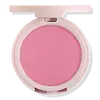 Key Ingredients
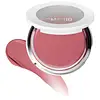
Benefits
Concerns
Ingredients Side-by-side
Mica
Cosmetic ColorantCaprylic/Capric Triglyceride
Masking


Octyldodecyl Stearoyl Stearate
Emollient

Silica
Abrasive


Stearalkonium Hectorite
Gel FormingEthylhexylglycerin
Skin ConditioningDehydroacetic Acid
Preservative
Lauroyl Lysine
Skin Conditioning
Propylene Carbonate
SolventTocopherol
Antioxidant





CI 77891
Cosmetic ColorantCI 19140
Cosmetic ColorantCI 77492
Cosmetic ColorantCI 77491
Cosmetic ColorantCI 77499
Cosmetic ColorantCI 15850
Cosmetic ColorantCI 77007
Cosmetic ColorantCI 45410
Cosmetic ColorantCI 15985
Cosmetic ColorantC15-19 Alkane
SolventOctyldodecanol
Emollient
Tridecyl Trimellitate
EmollientPentaerythrityl Tetraisostearate
Emollient
Synthetic Wax
Abrasive
Raphanus Sativus Seed Extract
Skin ConditioningCera Microcristallina
Emulsion StabilisingSynthetic Fluorphlogopite
Silica Silylate
Emollient
Mica
Cosmetic ColorantHydrogenated Rice Bran Wax
Skin Conditioning
Dicalcium Phosphate
Abrasive
Disteardimonium Hectorite
StabilisingHelianthus Annuus Seed Oil
Emollient
Oryza Sativa Bran Wax
Skin Conditioning
Pentaerythrityl Tetra-Di-T-Butyl Hydroxyhydrocinnamate
Antioxidant
Rosmarinus Officinalis Leaf Extract
AntimicrobialTocopheryl Acetate
Antioxidant
Ricinus Communis Seed Oil
Masking
Hydrolyzed Sodium Hyaluronate
Skin Conditioning

Sodium Hyaluronate
Humectant
Hydrogenated Castor Oil
Emollient
Tin Oxide
Abrasive
CI 77891
Cosmetic ColorantCI 77491
Cosmetic ColorantCI 42090
Cosmetic ColorantCI 15850
Cosmetic ColorantCI 45410
Cosmetic ColorantC15-19 Alkane, Octyldodecanol, Tridecyl Trimellitate, Pentaerythrityl Tetraisostearate, Synthetic Wax, Raphanus Sativus Seed Extract, Cera Microcristallina, Synthetic Fluorphlogopite, Silica Silylate, Mica, Hydrogenated Rice Bran Wax, Dicalcium Phosphate, Disteardimonium Hectorite, Helianthus Annuus Seed Oil, Oryza Sativa Bran Wax, Pentaerythrityl Tetra-Di-T-Butyl Hydroxyhydrocinnamate, Rosmarinus Officinalis Leaf Extract, Tocopheryl Acetate, Ricinus Communis Seed Oil, Hydrolyzed Sodium Hyaluronate, Sodium Hyaluronate, Hydrogenated Castor Oil, Tin Oxide, CI 77891, CI 77491, CI 42090, CI 15850, CI 45410
Reviews
Ingredients Explained
These ingredients are found in both products.
Ingredients higher up in an ingredient list are typically present in a larger amount.
Ci 15850 is the pigment color red. It is an azo dye and created synthetically.
Azo dyes need to be thoroughly purified before use. This allows them to be more stable and longer-lasting.
This ingredient is common in foundations, lipsticks, and blushes. This color is described as brown/orangey red.
It has many secondary names such as Red 6 and Red 7. According to a manufacturer, Red 6 usually contains aluminum.
Learn more about CI 15850CI 45410 is a synthetic red-pigment and dye.
It often goes by both Red 28 or Red 27; manufacturers label both ingredients as CI 45410.
This dye is commonly found in makeup because it imparts a vivid color. Some types of this dye change color based on pH level and interaction with moisture:
Your skin has a natural pH of around 4.5 - 5.5.
According to the FDA, CI 45410 is not permitted for use in eye products.
Red 27 is a flourescein dye and commonly used as a fluorescent tracer in medicine.
Learn more about CI 45410Ci 77491 is also hydrated iron III oxide. It's sole purpose is to give a red/pink hue to products.
Iron III oxides are classified as inorganic chemicals for coloring.
Synthetically created Ci 77491 is considered safer than those naturally found. This is because the synthetically created version may contain less impurities. Iron oxides are generally non-toxic and non-allergenic.
Learn more about CI 77491Ci 77891 is a white pigment from Titanium dioxide. It is naturally found in minerals such as rutile and ilmenite.
It's main function is to add a white color to cosmetics. It can also be mixed with other colors to create different shades.
Ci 77891 is commonly found in sunscreens due to its ability to block UV rays.
Learn more about CI 77891Mica is a naturally occurring mineral used to add shimmer and color in cosmetics. It can also help improve the texture of a product or give it an opaque, white/silver color.
Serecite is the name for very fine but ragged grains of mica.
This ingredient is often coated with metal oxides like titanium dioxide. Trace amounts of heavy metals may be found in mica, but these metals are not harmful in our personal products.
Mica has been used since prehistoric times throughout the world. Ancient Egyptian, Indian, Greek, Roman, Aztec, and Chinese civilizations have used mica.
Learn more about Mica

