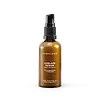
This calming emulsion is formulated around Aloe Barbadensis Leaf Juice and Azelaic Acid to calm redness and clear breakouts.
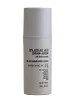
This calming serum is formulated around Azelaic Acid and Niacinamide to calm redness and fade the look of dark spots.


What's inside
What's inside
 Key Ingredients
Benefits
Concerns
No concerns
Ingredients Side-by-side

Water
Skin ConditioningAzelaic Acid
Buffering









Propanediol
Solvent

Caprylic/Capric Triglyceride
Masking
C12-15 Alkyl Benzoate
AntimicrobialGlycerin
Humectant
Niacinamide
Smoothing

Polyglyceryl-6 Stearate
Emollient

Glyceryl Stearate
Emollient
Squalane
Emollient
Astrocaryum Murumuru Seed Butter
Emollient

Dimethicone
Emollient
Polyglyceryl-6 Behenate
Emulsion Stabilising
Xanthan Gum
EmulsifyingAllantoin
Skin Conditioning
Bisabolol
Antioxidant
Tocopherol
Antioxidant
Phenoxyethanol
Preservative
Citric Acid
Buffering
Ethylhexylglycerin
Skin ConditioningWater, Azelaic Acid, Propanediol, Caprylic/Capric Triglyceride, C12-15 Alkyl Benzoate, Glycerin, Niacinamide, Polyglyceryl-6 Stearate, Glyceryl Stearate, Squalane, Astrocaryum Murumuru Seed Butter, Dimethicone, Polyglyceryl-6 Behenate, Xanthan Gum, Allantoin, Bisabolol, Tocopherol, Phenoxyethanol, Citric Acid, Ethylhexylglycerin
Ingredients Explained
These ingredients are found in both products.
Ingredients higher up in an ingredient list are typically present in a larger amount.
Azelaic acid is a multitasker ingredient that helps treat acne, pigmentation, and irritation. It is a great option for sensitive skin.
What makes it special?
OTC Azelaic acid is usually available in concentrations from 10-15% and anything over requires a prescription.
Here's what each tier does best:
Unlike other acids, azelaic acid will not make your skin more photosensitive/sun sensitive.
Though this ingredient is naturally occurring in grains like wheat, rye, and barley, it is usually synthetically created for cosmetics to ensure stability and effectiveness.
Learn more about Azelaic AcidGlycerin (or glycerol) is a compound naturally found in your skin. It's a powerhouse humectant that pulls water into the stratum corneum.
Topically, glycerin does several things at once:
Your skin makes glycerin on its own (mostly from sebaceous oil breakdown) and shuttles it to your outermost layer of skin, or your epidermis, via aquaporin-3.
Aquaporin-3 is a transporter that is essential for normal skin hydration, elasticity, and repair. Interestingly, mice lacking in AQP3 have dry and less elastic skin that can be fully corrected with glycerin.
This ingredient is non-irritating, plays well with almost every ingredient, and works across all skin types. Typical use is anywhere between 3-10% but can go up to 79% in some leave-on products.
Just know very high concentrations (>40%) can feel tacky in low humidity.
Glycerin is the name for this ingredient in American English. British English uses Glycerol/Glycerine.
Learn more about GlycerinPropanediol is an all-star ingredient. It softens, hydrates, and smooths the skin.
It’s often used to:
Propanediol is not likely to cause sensitivity and considered safe to use. It is derived from corn or petroleum with a clear color and no scent.
Learn more about PropanediolXanthan gum is used as a stabilizer and thickener within cosmetic products. It helps give products a sticky, thick feeling - preventing them from being too runny.
On the technical side of things, xanthan gum is a polysaccharide - a combination consisting of multiple sugar molecules bonded together.
Xanthan gum is a pretty common and great ingredient. It is a natural, non-toxic, non-irritating ingredient that is also commonly used in food products.
Learn more about Xanthan Gum

