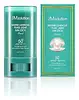
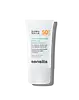
JMsolution Marine Luminous Pearl Sun Stick SPF50 PA++++ Versus Sensilis Photocorrection Pure Age Perfection SPF 50+
This chemical sunscreen covers the full UV range and blocks ~98% of UVB at SPF 50.
This chemical sunscreen covers the full UV range and blocks ~98% of UVB at SPF 50.


What's inside
What's inside
 Key Ingredients
Benefits
Concerns
Ingredients Side-by-side
Tocopheryl Acetate
Antioxidant


Pearl Extract
Antioxidant
Salicornia Herbacea Extract
Skin ConditioningPikea Robusta Extract
Antioxidant
Haematococcus Pluvialis Extract
Antioxidant
Glycerin
Humectant


Sodium Hyaluronate
Humectant

Fucus Vesiculosus Extract
Emollient
Laminaria Saccharina Extract
Skin Protecting

Bisabolol
Antioxidant
Octocrylene
UV Absorber


Ethylhexyl Methoxycinnamate
UV Absorber
Ethylhexyl Salicylate
UV Absorber
Diethylamino Hydroxybenzoyl Hexyl Benzoate
UV Filter
Bis-Ethylhexyloxyphenol Methoxyphenyl Triazine
UV Absorber
Tocopheryl Acetate, Pearl Extract, Salicornia Herbacea Extract, Pikea Robusta Extract, Haematococcus Pluvialis Extract, Glycerin, Sodium Hyaluronate, Fucus Vesiculosus Extract, Laminaria Saccharina Extract, Bisabolol, Octocrylene, Ethylhexyl Methoxycinnamate, Ethylhexyl Salicylate, Diethylamino Hydroxybenzoyl Hexyl Benzoate, Bis-Ethylhexyloxyphenol Methoxyphenyl Triazine
Water
Skin ConditioningSilica
Abrasive


Butyl Methoxydibenzoylmethane
UV Absorber
Butyloctyl Salicylate
Skin Conditioning
Diethylhexyl Butamido Triazone
UV Absorber
Ethylhexyl Salicylate
UV Absorber
Ethylhexyl Triazone
UV Absorber
Bis-Ethylhexyloxyphenol Methoxyphenyl Triazine
UV Absorber
Dicaprylyl Carbonate
EmollientDibutyl Adipate
EmollientCeteareth-25
CleansingCeteth-2
EmulsifyingDiethylamino Hydroxybenzoyl Hexyl Benzoate
UV Filter
Potassium Cetyl Phosphate
EmulsifyingIsodecyl Neopentanoate
EmollientPolyester-7
Skin ConditioningGlyceryl Behenate
Emollient

Methylpropanediol
SolventPotassium Azeloyl Diglycinate
Skin Conditioning

Lactobionic Acid
Buffering


Alpha-Glucan Oligosaccharide
Cleansing
Bisabolol
Antioxidant
Oryzanol
Skin ConditioningPinus Pinaster Bark/Bud Extract
Antimicrobial
Polylysine
Caprylic/Capric Triglyceride
Masking
Neopentyl Glycol Diheptanoate
EmollientWater, Silica, Butyl Methoxydibenzoylmethane, Butyloctyl Salicylate, Diethylhexyl Butamido Triazone, Ethylhexyl Salicylate, Ethylhexyl Triazone, Bis-Ethylhexyloxyphenol Methoxyphenyl Triazine, Dicaprylyl Carbonate, Dibutyl Adipate, Ceteareth-25, Ceteth-2, Diethylamino Hydroxybenzoyl Hexyl Benzoate, Potassium Cetyl Phosphate, Isodecyl Neopentanoate, Polyester-7, Glyceryl Behenate, Methylpropanediol, Potassium Azeloyl Diglycinate, Lactobionic Acid, Alpha-Glucan Oligosaccharide, Bisabolol, Oryzanol, Pinus Pinaster Bark/Bud Extract, Polylysine, Caprylic/Capric Triglyceride, Neopentyl Glycol Diheptanoate
Ingredients Explained
These ingredients are found in both products.
Ingredients higher up in an ingredient list are typically present in a larger amount.
This ingredient is better known as bemotrizinol or Tinosorb S and is one of the best broad-spectrum UV filters in modern sunscreen.
It works by absorbing UV light across a whole range (280-400 nm) with peaks around 310 nm (UVB) and 340-345 nm (UVA). This means it covers UVB plus the deeper UVA wavelengths that drive photoaging and pigmentation.
Another pro?
It's exceptionally photostable, barely degrades in sunlight, and acts as a "bodyguard" for less stable filters.
That's why you'll see it paired with avobenzone or octinoxate; this team up ensures they keep working through sun exposure.
Safety reviews have been reassuring across the board. This ingredient shows low absorption through the skin, rarely irritates, and lab studies found it doesn't act like a hormone in the body (a concern that's been raised about some older sunscreen filters).
On maximum concentrations:
In 2026, the US F.D.A finally added it as an OTC sunscreen ingredient at concentrations up to 6% for adults / children 6 months and older
Learn more about Bis-Ethylhexyloxyphenol Methoxyphenyl TriazineBisabolol is a gentle skin conditioner, antioxidant, and soothing ingredient.
It's primary claim to fame is soothing and research shows topically applied bisabolol can quiet the chemical messengers that cause your skin to become inflamed, helping to sooth any irritation.
A clinical study found that applying 0.5% bisabolol daily for 8 weeks produced an average 9% decrease in skin pigmentation. Researchers found it can also suppress the process that leads to excess melanin production in skin.
In vitro studies found that bisabolol combined with propylene glycol significantly increased skin permeability by increasing lipid fluidity in the stratum corneum.
You'll likely see use concentrations quite low, usually 0.1-0.2%.
Overall, this is a well-tolerated ingredient that works well in formulas designed for sensitive, reactive, or post-procedure skin.
Learn more about BisabololDiethylamino Hydroxybenzoyl Hexyl Benzoate (DHHB) is a chemical UV-A absorber. It is formulated for high UVA protection (320-400 nm).
DHHB is well-liked for:
DHHB has been approved by the EU, Japan, Taiwan, and South America for use up to 10%. Unfortunately, it has not been approved for use in the US or Canada due to slow regulatory processes.
This ingredient is soluble in oils, fats, and lipids.
Learn more about Diethylamino Hydroxybenzoyl Hexyl BenzoateEthylhexyl Salicylate (also called Octisalate or Octyl Salicylate) is an oil-soluble organic UV filter that's been used in sunscreen since the 1950's.
It absorbs UVB light in the 280-320 nm range with a peak absorbance around 306 nm.
You'll often see it paired with other UV filters to boost overall SPF because octisalate is a fairly week filter on its own.
The reason you'll see it so often is because it can help solubilize and stabilize the trickier filters like oxybenzone and avobenzone.
Unlike these filters, octisalate has pretty good photostability and doesn't create skin-damaging free radicals when exposed to sunlight.
The fatty-alcohol part of the molecule also gives it a light, emollient feel so it doubles as a nice texture enhancer.
Usage levels vary around the world:
Safety-wise, this ingredient has a pretty reassuring track record. The EU's Scientific Committee on Consumer Products (SCCP) found very low skin penetration in human skin tests and negative results for irritation, phototoxicity, and photoallergy.
The real-world allergy risk is pretty low too; a 2012 European study of 1,031 people recorded only 2 reactions to it (a rate of 0.19%).
You might have seen scary headlines about sunscreen getting into your blood.
In 2019, the FDA found that several chemical filters can absorb through the skin and show up in the bloodstream at small but measurable levels.
Here's the important part: these tiny levels are just a cutoff the FDA uses to decide which ingredients need more testing and doesn't mean anything harmful was found.
The researchers were clear that the results are no reason to stop wearing sunscreen.
Learn more about Ethylhexyl Salicylate

