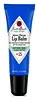
This barrier-repair lip moisturizer is formulated around Butyrospermum Parkii Butter and Camellia Sinensis Leaf Extract to strengthen the lip barrier and hydrate lips.
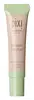
This anti-aging lip moisturizer is formulated around Palmitoyl Tripeptide-5 to soften the look of wrinkles.


What's inside
What's inside
 Key Ingredients
Benefits
Concerns
Ingredients Side-by-side











Diisostearyl Malate
EmollientPolyisobutene
Hydrogenated Castor Oil Dimer Dilinoleate
Skin Conditioning


Caprylic/Capric Triglyceride
Masking


Polyglyceryl-2 Triisostearate
Emulsifying
Bis-Diglyceryl Polyacyladipate-2
Emollient
Glyceryl Behenate/Eicosadioate
Emollient
Silica Dimethyl Silylate
EmollientTocopheryl Acetate
Antioxidant


Soluble Collagen
Humectant
Acacia Seyal Gum
HumectantPalmitoyl Tripeptide-5
Skin Conditioning

1,2-Hexanediol
Skin Conditioning
Caprylic/Capric Glycerides
EmollientSorbitan Sesquioleate
Emulsifying
Vegetable Oil
Skin Conditioning
Water
Skin ConditioningGlycerin
Humectant
Diisostearyl Malate, Polyisobutene, Hydrogenated Castor Oil Dimer Dilinoleate, Caprylic/Capric Triglyceride, Polyglyceryl-2 Triisostearate, Bis-Diglyceryl Polyacyladipate-2, Glyceryl Behenate/Eicosadioate, Silica Dimethyl Silylate, Tocopheryl Acetate, Soluble Collagen, Acacia Seyal Gum, Palmitoyl Tripeptide-5, 1,2-Hexanediol, Caprylic/Capric Glycerides, Sorbitan Sesquioleate, Vegetable Oil, Water, Glycerin
Reviews
Ingredients Explained
These ingredients are found in both products.
Ingredients higher up in an ingredient list are typically present in a larger amount.
Tocopheryl Acetate is a stable, shelf-friendly form of vitamin E.
Formulators love it because plain vitamin E oxidizes quickly once it hits air. This acetate version stays stable and resists going off, helping to extend a product's shelf life.
It's actually inactive on its own and works like a slow-release "storage" form; the enzymes in your skin called esterases gradually convert it into active vitamin E over time.
One in vivo study showed 5% of the acetate in the living layer of the epidermis converted to vitamin E after 5 days of application. This study also found the skin gained protection against UV damage even though the conversion was slow and small.
Once converted, vitamin E acts as a skin's main fat-soluble antioxidant that fights free radicals to protect skin from damage.
Topical vitamin E generally boosts the skin's photoprotection, and it reduced UV-damage in animal models.
This ingredient has some brightening potential but it's more of a prevention ingredient than spot-fader. Cell studies show it can slow down melanin production but it's worth noting that it's not the most powerful brightener out there.
Overall, it has a pretty solid safety profile and has been found to be non-irritating and non-comedogenic. Allergic reactions may happen but stay rare due to how widely the ingredient gets used.
The concentration will vary depending on the formula; industry data shows 0.1% in baby lotions, 3% in lipsticks, and 5% in foot powders. You can also find this ingredient at 100% in a pure vitamin E oil.
Most leave-on skincare keeps it at the lower end, often between 0.5-1%.
Learn more about Tocopheryl Acetate

