
What's inside
What's inside
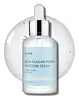 Key Ingredients
No key ingredients
Benefits
Concerns
No concerns
Ingredients Side-by-side
Snail Secretion Filtrate 83%
Skin Conditioning





Propanediol
Solvent
Glycerin
Humectant
Niacinamide
Smoothing







1,2-Hexanediol
Skin Conditioning
Panthenol
Skin Conditioning
Betaine
Humectant
Sodium Hyaluronate
Humectant
Beta-Glucan
Skin Conditioning
Aloe Barbadensis Leaf Extract
Emollient
Dipotassium Glycyrrhizate
Humectant
Allantoin
Skin Conditioning
Adenosine
Skin Conditioning
Hamamelis Virginiana Leaf Extract
Skin Conditioning
Rosmarinus Officinalis Extract
AntimicrobialEucalyptus Globulus Leaf Extract
Perfuming
Thymus Vulgaris Extract
Perfuming
Aspalathus Linearis Extract
Skin ConditioningSodium Polyacrylate
Absorbent
Snail Secretion Filtrate 83%, Propanediol, Glycerin, Niacinamide, 1,2-Hexanediol, Panthenol, Betaine, Sodium Hyaluronate, Beta-Glucan, Aloe Barbadensis Leaf Extract, Dipotassium Glycyrrhizate, Allantoin, Adenosine, Hamamelis Virginiana Leaf Extract, Rosmarinus Officinalis Extract, Eucalyptus Globulus Leaf Extract, Thymus Vulgaris Extract, Aspalathus Linearis Extract, Sodium Polyacrylate
Reviews
Ingredients Explained
These ingredients are found in both products.
Ingredients higher up in an ingredient list are typically present in a larger amount.
1,2-Hexanediol is a synthetic liquid and another multi-functional powerhouse.
It is a:
- Humectant, drawing moisture into the skin
- Emollient, helping to soften skin
- Solvent, dispersing and stabilizing formulas
- Preservative booster, enhancing the antimicrobial activity of other preservatives
Adenosine is in every living organism. It is one of four components in nucleic acids that helps store our DNA.
Adenosine has many benefits when used. These benefits include hydrating the skin, smoothing skin, and reducing wrinkles. Once applied, adenosine increases collagen production. It also helps with improving firmness and tissue repair.
Studies have found adenosine may also help with wound healing.
In skincare products, Adenosine is usually derived from yeast.
Learn more about AdenosineBeta-Glucan is a polysaccharide. It can be derived from the cell walls of seaweed, oats, yeast, and fungi. It hydrates the skin and helps boost your skin's natural barrier.
As an antioxidant, beta-glucan helps fight free-radicals. Free-radicals are molecules that may damage your skin cells, such as pollution.
Studies show this ingredient may be an effective wrinkle reducer as it can deeply penetrate into skin. It has also been show to help with wound healing.
Learn more about Beta-GlucanGlycerin (or glycerol) is a compound naturally found in your skin. It's a powerhouse humectant that pulls water into the stratum corneum.
Topically, glycerin does several things at once:
Your skin makes glycerin on its own (mostly from sebaceous oil breakdown) and shuttles it to your outermost layer of skin, or your epidermis, via aquaporin-3.
Aquaporin-3 is a transporter that is essential for normal skin hydration, elasticity, and repair. Interestingly, mice lacking in AQP3 have dry and less elastic skin that can be fully corrected with glycerin.
This ingredient is non-irritating, plays well with almost every ingredient, and works across all skin types. Typical use is anywhere between 3-10% but can go up to 79% in some leave-on products.
Just know very high concentrations (>40%) can feel tacky in low humidity.
Glycerin is the name for this ingredient in American English. British English uses Glycerol/Glycerine.
Learn more about GlycerinSodium Polyacrylate is the sodium salt of polyacrylic acid. It is used as an absorber, emollient, and stabilizer.
This ingredient is a super-absorbent polymer - meaning it can absorb 100 to 1000 times its mass in water. As an emollient, Sodium Polyacrylate helps soften and soothe skin. Emollients work by creating a barrier to trap moisture in. This helps keep your skin hydrated.

