
What's inside
What's inside
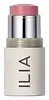 Key Ingredients
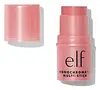
Benefits
Concerns
Ingredients Side-by-side
Helianthus Annuus Seed Oil
Emollient



Ricinus Communis Seed Oil
Masking
Theobroma Cacao Seed Butter
Emollient


Cera Alba
Emollient
Euphorbia Cerifera Cera
Astringent
Butyrospermum Parkii Butter
Skin Conditioning
Citrus Aurantium Dulcis Peel Cera
EmollientSesamum Indicum Seed Oil
Emollient
Zea Mays Starch
Absorbent
Citric Acid
Buffering

Persea Gratissima Oil
Skin Conditioning
Tocopherol
Antioxidant




CI 77492
Cosmetic ColorantCI 77491
Cosmetic ColorantCI 77499
Cosmetic ColorantMica
Cosmetic ColorantCI 45410
Cosmetic ColorantCI 15850
Cosmetic ColorantCI 77891
Cosmetic ColorantCI 19140
Cosmetic ColorantHelianthus Annuus Seed Oil, Ricinus Communis Seed Oil, Theobroma Cacao Seed Butter, Cera Alba, Euphorbia Cerifera Cera, Butyrospermum Parkii Butter, Citrus Aurantium Dulcis Peel Cera, Sesamum Indicum Seed Oil, Zea Mays Starch, Citric Acid, Persea Gratissima Oil, Tocopherol, CI 77492, CI 77491, CI 77499, Mica, CI 45410, CI 15850, CI 77891, CI 19140
Polymethyl Methacrylate
Triethylhexanoin
MaskingDimethicone
Emollient

Cetyl Ethylhexanoate
EmollientSynthetic Fluorphlogopite
Mica
Cosmetic ColorantHydrogenated Polydecene
EmollientButyrospermum Parkii Butter
Skin Conditioning
Polyethylene
Abrasive
Isononyl Isononanoate
EmollientC10-18 Triglycerides
Emollient
Microcrystalline Wax
Emulsion StabilisingEuphorbia Cerifera Wax
Sorbitan Sesquiisostearate
Emulsifying
Caesalpinia Sappan Bark Extract
Skin ConditioningPhenoxyethanol
Preservative
Caprylyl Glycol
Emollient
Tocopheryl Acetate
Antioxidant
Tin Oxide
Abrasive
Polymethyl Methacrylate, Triethylhexanoin, Dimethicone, Cetyl Ethylhexanoate, Synthetic Fluorphlogopite, Mica, Hydrogenated Polydecene, Butyrospermum Parkii Butter, Polyethylene, Isononyl Isononanoate, C10-18 Triglycerides, Microcrystalline Wax, Euphorbia Cerifera Wax, Sorbitan Sesquiisostearate, Caesalpinia Sappan Bark Extract, Phenoxyethanol, Caprylyl Glycol, Tocopheryl Acetate, Tin Oxide
Reviews
Ingredients Explained
These ingredients are found in both products.
Ingredients higher up in an ingredient list are typically present in a larger amount.
This ingredient is also known as shea butter. It is a plant-derived extract from the nuts of the Africa shea tree and one of the most well-studied emollients.
Because it has a high concentration of fatty acids (primarily oleic, stearic, and linoleic) it is able to form a protective barrier on the skin's surface. This helps seal in moisture and prevents transepidermal water loss (TEWL).
In vitro research found an increase in skin hydration by 58% and a decrease in TEWL by 37.8% after 24 hours of applying this ingredient (pretty impressive for a single ingredient!).
Besides hydration, shea butter also contains triterpenes that have anti-inflammatory potential. In particule, lupeol cinnamate has shown the highest anti-inflammatory activity in vivo.
Shea butter also contains vitamins A and E which may contribute to antioxidant activity.
While Shea Butter has an SPF rating of about 3-4, it is not a sunscreen replacement.
This ingredient may not be fungal acne safe because its fatty acids fall within the C11-C24 range that the Malassezia yeast can metabolize.
This ingredient shows up on a lot of "pore-clogging" lists but there's no real evidence behind that. It doesn't even have a comedogenic rating from an actual study; the numbers you'll find online come from blogs citing other blogs.
Ratings for other ingredients mostly come from a 1980s rabbit ear test. This test doesn't translate well to human skin or to real products because the ingredient sits at a much lower percentage.
Some people still find it breaks them out. So if that's you, definitely trust your skin. Just know this one's based on experience and not evidence.
Learn more about Butyrospermum Parkii ButterMica is a naturally occurring mineral used to add shimmer and color in cosmetics. It can also help improve the texture of a product or give it an opaque, white/silver color.
Serecite is the name for very fine but ragged grains of mica.
This ingredient is often coated with metal oxides like titanium dioxide. Trace amounts of heavy metals may be found in mica, but these metals are not harmful in our personal products.
Mica has been used since prehistoric times throughout the world. Ancient Egyptian, Indian, Greek, Roman, Aztec, and Chinese civilizations have used mica.
Learn more about Mica

