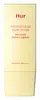
This chemical sunscreen covers the full UV range and blocks ~98% of UVB at SPF 50.
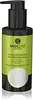
This smoothing exfoliator is formulated around Salicylic Acid and Lactic Acid to refine skin texture and refine the look of pores.


What's inside
What's inside
 Key Ingredients
Benefits
Concerns
Ingredients Side-by-side
Citrus Junos Fruit Extract
Skin ConditioningWater
Skin ConditioningHoney Extract
Humectant
Dibutyl Adipate
EmollientEthylhexyl Triazone
UV Absorber
Terephthalylidene Dicamphor Sulfonic Acid
UV Absorber
Silica
Abrasive


Butylene Glycol
Humectant
Methylpropanediol
SolventTromethamine
BufferingPolyglyceryl-3 Distearate
Emulsifying

1,2-Hexanediol
Skin Conditioning
Caprylyl Methicone
Skin Conditioning
Diethylamino Hydroxybenzoyl Hexyl Benzoate
UV Filter
Polysilicone-15
UV Filter
Ammonium Acryloyldimethyltaurate/Vp Copolymer
Potassium Cetyl Phosphate
EmulsifyingBis-Ethylhexyloxyphenol Methoxyphenyl Triazine
UV Absorber
Glyceryl Stearate
Emollient
Pentylene Glycol
Skin Conditioning
Polyacrylate Crosspolymer-6
Emulsion StabilisingHydroxyacetophenone
Antioxidant
Polyether-1
Glyceryl Stearate Citrate
Emollient
Ethylhexylglycerin
Skin ConditioningDisodium EDTA
ChelatingCitrus Junos Fruit Extract, Water, Honey Extract, Dibutyl Adipate, Ethylhexyl Triazone, Terephthalylidene Dicamphor Sulfonic Acid, Silica, Butylene Glycol, Methylpropanediol, Tromethamine, Polyglyceryl-3 Distearate, 1,2-Hexanediol, Caprylyl Methicone, Diethylamino Hydroxybenzoyl Hexyl Benzoate, Polysilicone-15, Ammonium Acryloyldimethyltaurate/Vp Copolymer, Potassium Cetyl Phosphate, Bis-Ethylhexyloxyphenol Methoxyphenyl Triazine, Glyceryl Stearate, Pentylene Glycol, Polyacrylate Crosspolymer-6, Hydroxyacetophenone, Polyether-1, Glyceryl Stearate Citrate, Ethylhexylglycerin, Disodium EDTA













Reviews
Ingredients Explained
These ingredients are found in both products.
Ingredients higher up in an ingredient list are typically present in a larger amount.
Hydroxyacetophenone is a small phenolic molecule that earns its place in a formulas as an antioxidant and preservative booster.
As a phenol, it is able to neutralize free radicals to protect both the product and the skin from oxidative stress.
Though it can't kill microbes on its own, it works as a good supporting agent when combined with other preservatives like Phenoxyethanol or 1,2-Hexanediol.
This ingredient naturally occurs as piceol in Norwegian spruce needles (~0.4-1.1% dry weight and in cloudberries). Though the cosmetic-grade material is synthesized for purity and consistency.
You'll usually see it used at low levels and suppliers recommend up to 1% added to a water phase.
Safety testing was done at concentrations like 0.05% in SPF products and 0.5% in a Human Repeated Insult Patch Test. The safety evidence is assuring; this ingredient is safe for cosmetics in current use and also holds safety status as a food flavoring as well.
An honest caveat: the "soothing" and "anti-inflammatory" claims come mostly from supplier marketing rather than published clinical trials. The Cosmetic Ingredient Review's own literature search found no useful efficacy studies on this ingredient.
So the antioxidant and preservative-boosting roles are the well supported ones while the calming benefit is plausible but thinly evidenced.
Overall, this is a well-tolerated, low-irritation multitasker that quietly helps a formula stay fresh and stable.
Learn more about HydroxyacetophenoneWater. It's the most common cosmetic ingredient of all. You'll usually see it at the top of ingredient lists, meaning that it makes up the largest part of the product.
So why is it so popular? Water most often acts as a solvent - this means that it helps dissolve other ingredients into the formulation.
You'll also recognize water as that liquid we all need to stay alive. If you see this, drink a glass of water. Remember to stay hydrated!
Learn more about Water

