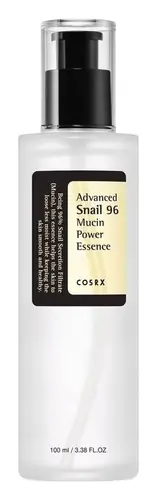
Herbivore Pink Cloud Rosewater + Tremella Creamy Jelly Cleanser Versus Odacité California Black Mint Clarifying Cleanser
This mild cream cleanser is made to cleanse while calming and soothing your skin.
This mild gel cleanser is mild enough to cleanse without leaving skin feeling tight or stripped.

What's inside
What's inside
 Key Ingredients
Benefits
Concerns
Ingredients Side-by-side
Water
Skin ConditioningRosa Damascena Flower Water
Masking

Decyl Glucoside
Cleansing
Glycerin
Humectant


Sodium Lauroyl Lactylate
EmulsifyingSqualane
Emollient
Glyceryl Caprylate
EmollientXanthan Gum
EmulsifyingGlyceryl Stearate
Emollient

Tremella Fuciformis Sporocarp Extract
Antioxidant
Caprylhydroxamic Acid
ChelatingCamellia Sinensis Leaf Extract
Antimicrobial


Aloe Barbadensis Leaf Juice
Skin Conditioning
Citric Acid
Buffering
Eclipta Prostrata Extract
Skin Conditioning
Sodium Hyaluronate
Humectant
Melia Azadirachta Leaf Extract
Skin ConditioningMoringa Oleifera Seed Oil
Emollient


Cocos Nucifera Fruit Juice
Emollient
Tapioca Starch
Water, Rosa Damascena Flower Water, Decyl Glucoside, Glycerin, Sodium Lauroyl Lactylate, Squalane, Glyceryl Caprylate, Xanthan Gum, Glyceryl Stearate, Tremella Fuciformis Sporocarp Extract, Caprylhydroxamic Acid, Camellia Sinensis Leaf Extract, Aloe Barbadensis Leaf Juice, Citric Acid, Eclipta Prostrata Extract, Sodium Hyaluronate, Melia Azadirachta Leaf Extract, Moringa Oleifera Seed Oil, Cocos Nucifera Fruit Juice, Tapioca Starch
Water
Skin ConditioningCapric/Lauric/Myristic/Oleic Amidopropyl Betaine
CleansingDecyl Glucoside
Cleansing
Lauryl Glucoside
CleansingSodium Cocoyl Apple Amino Acids
Foam Boosting
Xanthan Gum
EmulsifyingCharcoal Powder
Abrasive

Moroccan Lava Clay
Abrasive
Melaleuca Alternifolia Leaf Oil
Antioxidant


Mentha Piperita Oil
Masking

Rosmarinus Officinalis Leaf Extract
AntimicrobialHelianthus Annuus Seed Oil
Emollient
Caprylhydroxamic Acid
ChelatingGlyceryl Caprylate
EmollientGlycerin
Humectant
Tetrasodium Glutamate Diacetate
ChelatingWater, Capric/Lauric/Myristic/Oleic Amidopropyl Betaine, Decyl Glucoside, Lauryl Glucoside, Sodium Cocoyl Apple Amino Acids, Xanthan Gum, Charcoal Powder, Moroccan Lava Clay, Melaleuca Alternifolia Leaf Oil, Mentha Piperita Oil, Rosmarinus Officinalis Leaf Extract, Helianthus Annuus Seed Oil, Caprylhydroxamic Acid, Glyceryl Caprylate, Glycerin, Tetrasodium Glutamate Diacetate
Reviews
Ingredients Explained
These ingredients are found in both products.
Ingredients higher up in an ingredient list are typically present in a larger amount.
Caprylhydroxamic Acid is a chelating agent that helps cosmetics stay fresh, stable, and consistent over time.
Chelating agents help prevent metal ions from binding to other ingredients. This helps prevent unwanted reactions and effects from using the product. It also helps prevent the growth of unwanted microbes in products that contain water.
Caprylhydroxamic Acid is often used with natural antimicrobial products as an alternative to preservatives.
Learn more about Caprylhydroxamic AcidDecyl Glucoside is a plant-derived surfactant and emulsion stabilizer. It is created by reacting glucose with the fatty acids from plants.
Like all surfactants, it works by lowering the surface tension between water and oil. This makes it so that dirt, sebum, and makeup can be lifted off your skin and rinsed away. It also produces a dense and creamy foam.
Because it has a neutral charge, it is compatible with a wide range of ingredients and stays stable across a broad pH range/water hardiness conditions.
Patch testing has shown it to have the lowest irritation potential among common cleansing surfactants (like SLS).
Typical use levels range from 5-20% in rinse-off cleansers.
One thing worth knowing: The American Contact Dermatitis Society named the parent family, alkyl glucosides, "Allergen of the Year" in 2017. The prevalence of allergy is pretty low but be sure to patch test if you've reacted to "gentle" or sulfate-free cleansers before.
This ingredient is fungal acne safe because the fatty alcohol portion of this ingredient is not within the C11-24 chain length that Malassezia can metabolize.
Learn more about Decyl GlucosideGlycerin (or glycerol) is a compound naturally found in your skin. It's a powerhouse humectant that pulls water into the stratum corneum.
Topically, glycerin does several things at once:
Your skin makes glycerin on its own (mostly from sebaceous oil breakdown) and shuttles it to your outermost layer of skin, or your epidermis, via aquaporin-3.
Aquaporin-3 is a transporter that is essential for normal skin hydration, elasticity, and repair. Interestingly, mice lacking in AQP3 have dry and less elastic skin that can be fully corrected with glycerin.
This ingredient is non-irritating, plays well with almost every ingredient, and works across all skin types. Typical use is anywhere between 3-10% but can go up to 79% in some leave-on products.
Just know very high concentrations (>40%) can feel tacky in low humidity.
Glycerin is the name for this ingredient in American English. British English uses Glycerol/Glycerine.
Learn more about GlycerinGlyceryl Caprylate comes from glycerin and caprylic acid. It is an emollient, co-emulsifier, and preservative booster.
Its short C8 fatty acid chain makes it behave differently from its longer-chain emollient cousins like Glyceryl Stearate. It feels more lightweight, fast-absorbing, and silky instead of rich and waxy.
As a co-emulsifier, its "head" and "tail" sit at the oil-water interface. But overall, the short C8 tail and not being water soluble means it doesn't really have the muscle to emulsify a formula on its own. That's why you'll often see it paired with a primary emulsifier like Cetearyl Glucoside.
Interestingly, Glyceryl Caprylate acts as a preservative booster. This is because its fatty-acid backbone disrupts microbial lipid membranes. It shows excellent activity against bacteria and yeast but is weaker against mold.
Typical concentrations range from 0.5-1% and this ingredient is generally non-irritating.
Because this ingredient has a C8 fatty acid chain, it is outside the range that the Malassezia yeast metabolizes (making it fungal acne safe).
Learn more about Glyceryl CaprylateWater. It's the most common cosmetic ingredient of all. You'll usually see it at the top of ingredient lists, meaning that it makes up the largest part of the product.
So why is it so popular? Water most often acts as a solvent - this means that it helps dissolve other ingredients into the formulation.
You'll also recognize water as that liquid we all need to stay alive. If you see this, drink a glass of water. Remember to stay hydrated!
Learn more about WaterXanthan gum is used as a stabilizer and thickener within cosmetic products. It helps give products a sticky, thick feeling - preventing them from being too runny.
On the technical side of things, xanthan gum is a polysaccharide - a combination consisting of multiple sugar molecules bonded together.
Xanthan gum is a pretty common and great ingredient. It is a natural, non-toxic, non-irritating ingredient that is also commonly used in food products.
Learn more about Xanthan Gum