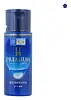
This brightening emulsion is formulated around Tranexamic Acid and Dipotassium Glycyrrhizate to fade the look of dark spots and brighten dull-looking skin.
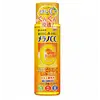
This brightening toner is formulated around 3-O-Ethyl Ascorbic Acid and Dipotassium Glycyrrhizate to brighten dull-looking skin and fade the look of dark spots.

What's inside
What's inside
 Key Ingredients
Benefits
Concerns
Ingredients Side-by-side
Tranexamic Acid
Astringent




Dipotassium Glycyrrhizate
Humectant
Hydrolyzed Hyaluronic Acid
Humectant



Sodium Hyaluronate
Humectant
Magnesium Ascorbyl Phosphate
Antioxidant



Tocopherol
Antioxidant
Dipropylene Glycol
HumectantHydrogenated Polydecene
EmollientGlycerin
Humectant
Diglycerin
Humectant
Butylene Glycol
Humectant
Limnanthes Alba Seed Oil
Skin Conditioning


Octyldodecanol
Emollient
Dimethicone
Emollient
Tricaprylin
Perfuming

Glyceryl Stearate
Emollient
Sodium Stearoyl Glutamate
CleansingDisodium EDTA
ChelatingCarbomer
Emulsion StabilisingSodium Bisulfite
Antioxidant
Xanthan Gum
EmulsifyingPhenethyl Alcohol
MaskingPhenoxyethanol
Preservative
Tranexamic Acid, Dipotassium Glycyrrhizate, Hydrolyzed Hyaluronic Acid, Sodium Hyaluronate, Magnesium Ascorbyl Phosphate, Tocopherol, Dipropylene Glycol, Hydrogenated Polydecene, Glycerin, Diglycerin, Butylene Glycol, Limnanthes Alba Seed Oil, Octyldodecanol, Dimethicone, Tricaprylin, Glyceryl Stearate, Sodium Stearoyl Glutamate, Disodium EDTA, Carbomer, Sodium Bisulfite, Xanthan Gum, Phenethyl Alcohol, Phenoxyethanol
3-O-Ethyl Ascorbic Acid
Skin Conditioning
Dipotassium Glycyrrhizate
Humectant
Ascorbic Acid
Antioxidant
Citrus Grandis Fruit Extract
Astringent
Citrus Limon Fruit Extract
Masking
Menthol
Masking


Alpinia Katsumadai Seed Extract
Skin ConditioningButylene Glycol
Humectant
Alcohol Denat.
Antimicrobial
Glycerin
Humectant
PPG-10 Methyl Glucose Ether
Skin ConditioningSilicon
Abrasive
Acrylates/Dimethicone Copolymer
Skin Conditioning
Dipropylene Glycol
HumectantPEG/PPG-18/18 Dimethicone
Emulsifying
Dimethicone
Emollient
Methyl/Phenyl Polysilsesquioxane
Bis-Ethoxydiglycol Cyclohexane 1,4-Dicarboxylate
EmollientPPG-6-Decyltetradeceth-12
EmulsifyingSodium Paraben
Preservative
Sodium Citrate
BufferingCitric Acid
Buffering
Xanthan Gum
EmulsifyingDisodium EDTA
ChelatingParfum
Masking
3-O-Ethyl Ascorbic Acid, Dipotassium Glycyrrhizate, Ascorbic Acid, Citrus Grandis Fruit Extract, Citrus Limon Fruit Extract, Menthol, Alpinia Katsumadai Seed Extract, Butylene Glycol, Alcohol Denat., Glycerin, PPG-10 Methyl Glucose Ether, Silicon, Acrylates/Dimethicone Copolymer, Dipropylene Glycol, PEG/PPG-18/18 Dimethicone, Dimethicone, Methyl/Phenyl Polysilsesquioxane, Bis-Ethoxydiglycol Cyclohexane 1,4-Dicarboxylate, PPG-6-Decyltetradeceth-12, Sodium Paraben, Sodium Citrate, Citric Acid, Xanthan Gum, Disodium EDTA, Parfum
Reviews
Ingredients Explained
These ingredients are found in both products.
Ingredients higher up in an ingredient list are typically present in a larger amount.
Butylene Glycol (or BG) is used within cosmetic products for a few different reasons:
Overall, Butylene Glycol is a safe and well-rounded ingredient that works well with other ingredients.
Though this ingredient works well with most skin types, some people with sensitive skin may experience a reaction such as allergic rashes, closed comedones, or itchiness.
Learn more about Butylene GlycolDimethicone is a type of synthetic silicone created from natural materials such as quartz. It is also known as polydimethylsiloxane.
What it does:
Dimethicone comes in different viscosities:
Depending on the viscosity, dimethicone has different properties.
Ingredients lists don't always show which type is used, so we recommend reaching out to the brand if you have questions about the viscosity.
This ingredient is unlikely to cause irritation because it does not get absorbed into skin. However, people with silicone allergies should be careful about using this ingredient.
Note: Dimethicone may contribute to pilling. This is because it is not oil or water soluble, so pilling may occur when layered with products. When mixed with heavy oils in a formula, the outcome is also quite greasy.
Learn more about DimethiconeDipotassium Glycyrrhizate comes from licorice root.
Extracts of licorice have demonstrated to have antibacterial, anti‐inflammatory, antiviral, antioxidant properties.
One component, glabridin, has extra potent antioxidant and soothing properties. It has also been found to block pigmentation from UVB rays in guinea pigs.
Licorice Root also contains a flavonoid. Flavonoids are a natural substance from in plants. Flavonoids also have antioxidant properties.
Another component, glycyrrhizin, has been found to have anti-inflammatory and antimicrobial benefits. This may make licorice root extract effective at treating acne. However, more research is needed to support this.
Liquiritin is one of the flavone compounds found in licorice. It has been found to help lighten skin by preventing tyrosinase from reacting with tyrosine. When the two react, protein is converted to melanin. Melanin is the substance in your body that gives your features pigmentation.
Licorice root is native to Southern Europe and Asia. It has been used in traditional Chinese medicine to help with respiratory issues.
Learn more about Dipotassium GlycyrrhizateDipropylene Glycol is a synthetically created humectant, stabilizer, and solvent.
This ingredient helps:
Dipropylene glycol is technically an alcohol, but it belongs to the glycol family (often considered part of the ‘good’ alcohols). This means it is hydrating and gentle on skin unlike drying solvent alcohols like denatured alcohol.
As a masking agent, Dipropylene Glycol can be used to cover the smell of other ingredients. However, it does not have a scent.
Studies show Dipropylene Glycol is considered safe to use in skincare.
Learn more about Dipropylene GlycolDisodium EDTA is a chelating agent. It grabs onto and deactivates metal ions that sneak into your products from water, packaging, or air.
This ingredient mainly works behind the scenes and helps with:
On top of that, this ingredient can counteract the effects of hard water by binding to the minerals in it.
One thing worth knowing is that Disodium EDTA has been shown to be a mild penetration enhancer. It can help other ingredients absorb into skin more effectively which can be a double-edged sword (great for actives, but can also make the active too strong if you have sensitive skin).
Clinical patch testing showed no significant skin irritation at typical use concentrations and minimal dermal absorption.
You'll most likely see this ingredient near the end of an ingredient list. It's typically found in concentrations less than 1%.
Learn more about Disodium EDTAGlycerin (or glycerol) is a compound naturally found in your skin. It's a powerhouse humectant that pulls water into the stratum corneum.
Topically, glycerin does several things at once:
Your skin makes glycerin on its own (mostly from sebaceous oil breakdown) and shuttles it to your outermost layer of skin, or your epidermis, via aquaporin-3.
Aquaporin-3 is a transporter that is essential for normal skin hydration, elasticity, and repair. Interestingly, mice lacking in AQP3 have dry and less elastic skin that can be fully corrected with glycerin.
This ingredient is non-irritating, plays well with almost every ingredient, and works across all skin types. Typical use is anywhere between 3-10% but can go up to 79% in some leave-on products.
Just know very high concentrations (>40%) can feel tacky in low humidity.
Glycerin is the name for this ingredient in American English. British English uses Glycerol/Glycerine.
Learn more about GlycerinXanthan gum is used as a stabilizer and thickener within cosmetic products. It helps give products a sticky, thick feeling - preventing them from being too runny.
On the technical side of things, xanthan gum is a polysaccharide - a combination consisting of multiple sugar molecules bonded together.
Xanthan gum is a pretty common and great ingredient. It is a natural, non-toxic, non-irritating ingredient that is also commonly used in food products.
Learn more about Xanthan Gum

