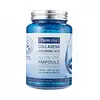
This hydrating serum is formulated around Hyaluronic Acid and Niacinamide to hydrate skin and soften the look of wrinkles.
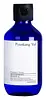
This calming toner is formulated around Astragalus Membranaceus Root Extract to calm redness.

What's inside
What's inside
 Key Ingredients
No key ingredients
Benefits
Concerns
No concerns
Ingredients Side-by-side
Water
Skin ConditioningHyaluronic Acid
Humectant




Butylene Glycol
Humectant
Niacinamide
Smoothing








Hydrolyzed Collagen
Emollient
Glycerin
Humectant
Phenoxyethanol
Preservative
Caprylyl Glycol
Emollient
PEG-60 Hydrogenated Castor Oil
Emulsifying


Jojoba Esters
Emollient
Tocopheryl Acetate
Antioxidant

Ascorbyl Palmitate
Antioxidant
Lactose
HumectantCellulose
Absorbent
Hydroxypropyl Methylcellulose
Emulsion StabilisingCarbomer
Emulsion StabilisingTriethanolamine
BufferingHamamelis Virginiana Extract
Antiseborrhoeic


Simmondsia Chinensis Seed Extract
Abrasive
Jania Rubens Extract
Skin ConditioningGlycyrrhiza Glabra Root Extract
Bleaching
Camellia Sinensis Leaf Extract
Antimicrobial
Xanthan Gum
EmulsifyingDisodium EDTA
Adenosine
Skin Conditioning
Parfum
Masking

Water, Hyaluronic Acid, Butylene Glycol, Niacinamide, Hydrolyzed Collagen, Glycerin, Phenoxyethanol, Caprylyl Glycol, PEG-60 Hydrogenated Castor Oil, Jojoba Esters, Tocopheryl Acetate, Ascorbyl Palmitate, Lactose, Cellulose, Hydroxypropyl Methylcellulose, Carbomer, Triethanolamine, Hamamelis Virginiana Extract, Simmondsia Chinensis Seed Extract, Jania Rubens Extract, Glycyrrhiza Glabra Root Extract, Camellia Sinensis Leaf Extract, Xanthan Gum, Disodium EDTA, Adenosine, Parfum
Reviews
Ingredients Explained
These ingredients are found in both products.
Ingredients higher up in an ingredient list are typically present in a larger amount.
Butylene Glycol (or BG) is used within cosmetic products for a few different reasons:
Overall, Butylene Glycol is a safe and well-rounded ingredient that works well with other ingredients.
Though this ingredient works well with most skin types, some people with sensitive skin may experience a reaction such as allergic rashes, closed comedones, or itchiness.
Learn more about Butylene GlycolCarbomer is a synthetic thickening and gelling agent. It's basically the ingredient that gives a lot of serums, gels, creams, and sunscreens their smooth, non-sticky texture.
Although legally permitted at very high levels, carbomers are normally used at concentrations below 1%.
It also needs to be neutralized to actually thicken, and because it is a large molecule, it doesn't really penetrate the skin barrier.
Allergy-wise, the risk is very low. Clinical studies show carbomers have low potential for skin irritation/sensitization even at concentrations up to 100%.
A 2024 UK study patch-tested 1,302 patients and found true allergy to the parent group of carbomer to be rare with no confirmed relevant reactions.
Learn more about Carbomer

