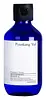
This calming toner is formulated around Astragalus Membranaceus Root Extract to calm redness.
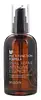
This barrier-repair essence is formulated around Snail Secretion Filtrate and Adenosine to strengthen the skin barrier and hydrate skin.

What's inside
What's inside
 Key Ingredients
No key ingredients
Benefits
Ingredients Side-by-side
Water
Skin ConditioningMethylpropanediol
SolventSnail Secretion Filtrate
Skin Conditioning





Glycerin
Humectant
Glycereth-26
Humectant
Carbomer
Emulsion StabilisingTromethamine
BufferingTrehalose
Humectant
Fructooligosaccharides
Humectant
Saccharide Hydrolysate
HumectantEthylhexylglycerin
Skin ConditioningSodium Polyacrylate
Absorbent
1,2-Hexanediol
Skin Conditioning
Pullulan
Propanediol
Solvent
Adenosine
Skin Conditioning
Disodium EDTA
ChelatingCentella Asiatica Extract
Cleansing
Houttuynia Cordata Extract
Skin Conditioning
Salvia Hispanica Seed Extract
Emollient
Sodium Hyaluronate
Humectant
Hyaluronic Acid
Humectant
Phenoxyethanol
Preservative
Water, Methylpropanediol, Snail Secretion Filtrate, Glycerin, Glycereth-26, Carbomer, Tromethamine, Trehalose, Fructooligosaccharides, Saccharide Hydrolysate, Ethylhexylglycerin, Sodium Polyacrylate, 1,2-Hexanediol, Pullulan, Propanediol, Adenosine, Disodium EDTA, Centella Asiatica Extract, Houttuynia Cordata Extract, Salvia Hispanica Seed Extract, Sodium Hyaluronate, Hyaluronic Acid, Phenoxyethanol
Reviews
Ingredients Explained
These ingredients are found in both products.
Ingredients higher up in an ingredient list are typically present in a larger amount.
1,2-Hexanediol is a synthetic liquid and another multi-functional powerhouse.
It is a:
- Humectant, drawing moisture into the skin
- Emollient, helping to soften skin
- Solvent, dispersing and stabilizing formulas
- Preservative booster, enhancing the antimicrobial activity of other preservatives
Carbomer is a synthetic thickening and gelling agent. It's basically the ingredient that gives a lot of serums, gels, creams, and sunscreens their smooth, non-sticky texture.
Although legally permitted at very high levels, carbomers are normally used at concentrations below 1%.
It also needs to be neutralized to actually thicken, and because it is a large molecule, it doesn't really penetrate the skin barrier.
Allergy-wise, the risk is very low. Clinical studies show carbomers have low potential for skin irritation/sensitization even at concentrations up to 100%.
A 2024 UK study patch-tested 1,302 patients and found true allergy to the parent group of carbomer to be rare with no confirmed relevant reactions.
Learn more about Carbomer

