
What's inside
What's inside
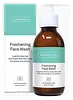 Key Ingredients
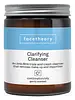
Benefits
Concerns
Ingredients Side-by-side
Water
Skin ConditioningPropanediol
Solvent

Sodium Lauroyl Sarcosinate
CleansingGlycerin
Humectant
Hydroxypropyl Methylcellulose
Emulsion StabilisingSodium Anisate
AntimicrobialSodium Levulinate
Skin ConditioningAloe Barbadensis Leaf Juice
Skin Conditioning

Lactic Acid
Buffering








Polyglyceryl-6 Caprylate
EmulsifyingPolyglyceryl-3 Cocoate
Emulsifying


Polyglyceryl-3 Caprate
EmulsifyingPolyglyceryl-6 Ricinoleate
Emulsifying
Citrus Aurantium Bergamia Peel Oil 0.136%
Perfuming



Sodium Phytate
Xanthan Gum
EmulsifyingCamellia Sinensis Leaf Extract
Antimicrobial
Water, Propanediol, Sodium Lauroyl Sarcosinate, Glycerin, Hydroxypropyl Methylcellulose, Sodium Anisate, Sodium Levulinate, Aloe Barbadensis Leaf Juice, Lactic Acid, Polyglyceryl-6 Caprylate, Polyglyceryl-3 Cocoate, Polyglyceryl-3 Caprate, Polyglyceryl-6 Ricinoleate, Citrus Aurantium Bergamia Peel Oil 0.136%, Sodium Phytate, Xanthan Gum, Camellia Sinensis Leaf Extract
Water
Skin ConditioningGlycolic Acid 4%
Buffering

Cetyl Alcohol
Emollient
Glyceryl Stearate
Emollient
Cocamidopropyl Dimethylamine
Emulsifying
Prunus Armeniaca Kernel Oil
Masking
Salicylic Acid 2%
Masking

Polyglyceryl-6 Stearate
Emollient
Sodium Glycolate
BufferingPrunus Amygdalus Dulcis Oil
Skin Conditioning
Persea Gratissima Oil
Skin Conditioning
Lactic Acid 1%
Buffering
Sodium Lactate
Buffering
Sodium Salicylate
Preservative
Cetyl Hydroxyethylcellulose
Emulsion StabilisingPolyglyceryl-6 Behenate
Emulsion Stabilising
Xanthan Gum
EmulsifyingCitrus Nobilis Peel Oil 0.97%
Masking
Water, Glycolic Acid 4%, Cetyl Alcohol, Glyceryl Stearate, Cocamidopropyl Dimethylamine, Prunus Armeniaca Kernel Oil, Salicylic Acid 2%, Polyglyceryl-6 Stearate, Sodium Glycolate, Prunus Amygdalus Dulcis Oil, Persea Gratissima Oil, Lactic Acid 1%, Sodium Lactate, Sodium Salicylate, Cetyl Hydroxyethylcellulose, Polyglyceryl-6 Behenate, Xanthan Gum, Citrus Nobilis Peel Oil 0.97%
Ingredients Explained
These ingredients are found in both products.
Ingredients higher up in an ingredient list are typically present in a larger amount.
Lactic Acid is another well-loved alpha hydroxy acid (AHA). It is gentler than glycolic acid but still highly effective.
Its main role is to exfoliate the surface of the skin by loosening the “glue” that holds dead skin cells together. Shedding those old cells leads to smoother, softer, and more even-toned skin.
Because lactic acid molecules are larger than glycolic acid, they don’t penetrate as deeply. This means they’re less likely to sting or irritate, making it a great choice for beginners or those with sensitive skin.
Like glycolic acid, it can:
Lactic acid also acts as a humectant (like hyaluronic acid). It can draw water into the skin to improve hydration and also plays a role in the skin's natural moisturizing factor (NMF) in the form of sodium lactate.
Studies show it can boost ceramide production to strengthen the skin barrier and even help balance the skin’s microbiome.
To get results, choose products with a pH between 3-4.
Lower strengths (5-12%) focus on surface exfoliation; higher strengths (12% and up) can reach deeper in the dermis (deeper, supportive layer) to improve skin texture and firmness over time.
Though it was originally derived from milk, most modern lactic acid used in skincare is vegan. It is made through non-dairy fermentation to create a bio-identical and stable form suitable for all formulations.
When lactic acid shows up near the end of an ingredient list, it usually means the brand added just a tiny amount to adjust the product’s pH.
Legend has it that Cleopatra used to bathe in sour milk to help reduce wrinkles.
Lactic acid is truly a gentle multitasker: it exfoliates, hydrates, strengthens, and brightens. It's a great ingredient for giving your skin a smooth, glowing, and healthy look without the harshness of stronger acids.
Read more about some other popular AHA's here:
Learn more about Lactic AcidWater. It's the most common cosmetic ingredient of all. You'll usually see it at the top of ingredient lists, meaning that it makes up the largest part of the product.
So why is it so popular? Water most often acts as a solvent - this means that it helps dissolve other ingredients into the formulation.
You'll also recognize water as that liquid we all need to stay alive. If you see this, drink a glass of water. Remember to stay hydrated!
Learn more about WaterXanthan gum is used as a stabilizer and thickener within cosmetic products. It helps give products a sticky, thick feeling - preventing them from being too runny.
On the technical side of things, xanthan gum is a polysaccharide - a combination consisting of multiple sugar molecules bonded together.
Xanthan gum is a pretty common and great ingredient. It is a natural, non-toxic, non-irritating ingredient that is also commonly used in food products.
Learn more about Xanthan Gum
