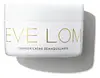
This oil-based cleanser is made to cleanse without leaving your skin tight or dry.
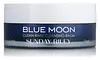
This oil-based makeup remover is made to dissolve makeup, sunscreen, and daily buildup.


What's inside
What's inside
 Key Ingredients
Benefits
Concerns
Ingredients Side-by-side
Paraffinum Liquidum
Emollient


PEG-30 Lanolin
Emulsifying

Cetearyl Alcohol
Emollient



Bis-Diglyceryl Polyacyladipate-2
Emollient
Aluminum Stearate
Cosmetic Colorant
Paraffinum Liquidum, PEG-30 Lanolin, Cetearyl Alcohol, Bis-Diglyceryl Polyacyladipate-2, Aluminum Stearate, Theobroma Cacao Seed Butter, PEG-75 Lanolin, Phenoxyethanol, Chamomilla Recutita Flower Oil, Eucalyptus Globulus Leaf Oil, Eugenia Caryophyllus Leaf Oil, Humulus Lupulus Oil, BHT, Eugenol, Limonene
Caprylic/Capric Triglyceride
Masking
Sucrose Laurate
Emollient
Jojoba Esters
Emollient
Acacia Decurrens Flower Wax
Emollient
Glycerin
Humectant
Helianthus Annuus Seed Wax
Skin Conditioning
Polyglycerin-3
Humectant
Glyceryl Behenate
Emollient
C10-18 Triglycerides
Emollient
Theobroma Cacao Seed Butter
Emollient
PEG-8 Beeswax
Emulsifying
Cetyl Alcohol
Emollient
Ceteth-20
CleansingSteareth-20
CleansingPolyglyceryl-6 Oleate
Emulsifying
Polyglyceryl-3 Beeswax
Emulsifying
Squalene
Emollient
Citrus Tangerina Peel
Abrasive
Citrus Sinensis Peel Oil Expressed
Perfuming

Tanacetum Annuum Flower/Leaf/Stem Oil
Masking
Chamomilla Recutita Flower Oil
Masking

Vanilla Planifolia Fruit Extract
Skin Conditioning
Cananga Odorata Flower Oil
Masking
Citrus Aurantium Amara Peel
Skin ConditioningCitrus Aurantium Amara Flower Oil
Masking
Anthemis Nobilis Flower Oil
Masking
Phenoxyethanol
Preservative
Moringa Oil/Hydrogenated Moringa Oil Esters
Skin Conditioning
Chlorphenesin
Antimicrobial
Caprylyl Glycol
Emollient
Caprylic/Capric Triglyceride, Sucrose Laurate, Jojoba Esters, Acacia Decurrens Flower Wax, Glycerin, Helianthus Annuus Seed Wax, Polyglycerin-3, Glyceryl Behenate, C10-18 Triglycerides, Theobroma Cacao Seed Butter, PEG-8 Beeswax, Cetyl Alcohol, Ceteth-20, Steareth-20, Polyglyceryl-6 Oleate, Polyglyceryl-3 Beeswax, Squalene, Citrus Tangerina Peel, Citrus Sinensis Peel Oil Expressed, Tanacetum Annuum Flower/Leaf/Stem Oil, Chamomilla Recutita Flower Oil, Vanilla Planifolia Fruit Extract, Cananga Odorata Flower Oil, Citrus Aurantium Amara Peel, Citrus Aurantium Amara Flower Oil, Anthemis Nobilis Flower Oil, Phenoxyethanol, Moringa Oil/Hydrogenated Moringa Oil Esters, Chlorphenesin, Caprylyl Glycol
Reviews
Alternatives
Ingredients Explained
These ingredients are found in both products.
Ingredients higher up in an ingredient list are typically present in a larger amount.
Chamomilla Recutita Flower Oil comes from the chamomile flower (like the tea you drink).
Essential oils from chamomile have been found to improve wound healing due to its antimicrobial properties.
Chamomile oil can help soothe and hydrate your skin.
Learn more about Chamomilla Recutita Flower OilPhenoxyethanol is one of the most widely used preservatives in skincare (and for good reason!).
It has a large spectrum of antimicrobial activity and especially effective bacteria, yeast, and mold while only having a weak effect on your skin's natural microbiome.
On a cellular level, it disrupts the cell membranes of microbes by poking holes that make the cell leak. This shuts down the chemical reactions the microbe needs to make energy so it can no longer survive.
Another perk of this ingredient is that it stays functional across a wide pH range (3-10).
You'll often see it paired with boosters like Ethylhexylglycerin; one study showed that a 1:9 ratio of Ethylhexylglycerin to Phenoxyethanol damages bacterial membranes as effectively as doubling the Phenoxyethanol concentration on its own.
Typical use concentrations range from 0.3-1% depending on the formula, and this ingredient is capped at 1% int the EU.
Safety-wise, the fear mongering does not hold up to the evidence. The EU's Scientific Committee on Consumer Safety and FDA consider it safe as a preservative at up to 1%, including for children of all ages.
Adverse systemic effects only showed up in animal studies at exposures roughly 200x higher than what people get from cosmetics. And despite its very widespread use, this ingredient is a rare sensitizer and allergic reactions are uncommon.
Learn more about PhenoxyethanolThis ingredient is also known as Cocoa butter; it's the fat pressed out of roasted cocoa beans.
Cocoa butter is solid at room temperature and melts right around body temperature, which is why it feels waxy in the jar and slippery on skin.
It has a very saturated profile (stearic acid ~34 to 36%, oleic acid ~30 to 40%, and palmitic acid ~24 to 29%) that makes it a strong occlusive: it sits on top and slows water escaping from skin.
Concentration data shows that it can show up anywhere from a few percent in lotions up to 100% in balms, and the FDA lists cocoa butter as an OTC skin protectant active at 50-100%.
The CIR has reviewed it and concluded it to be safe as used in cosmetics.
This is one of the ingredients with a comedogenic score of 4/5 from the rabbit ear test. Just know that a later human study did find that finished products containing high-comedogenic ingredients like cocoa butter did not increase microcomedone formation.
The fair call here is that this ingredient is most likely fine on body or low-percentage formulas, but can potentially be riskier as a heavy leave-on facial product if you break out easily.
Cocoa butter may not be fungal acne safe; it is a triglyceride of C16-18 fatty acids that the Malassezia yeast can metabolize.
Allergies to cocoa butter are rare and uncommon, but a few cases have been documented (mostly in cases where the person ate chocolate). So if you have a tree nut allergy, be sure to patch test or avoid.
Learn more about Theobroma Cacao Seed Butter

