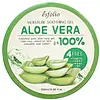
This calming moisturizer is formulated around Aloe Barbadensis Leaf Juice Powder and Camellia Sinensis Leaf Extract to calm redness and hydrate skin.
This calming moisturizer is formulated around Aloe Barbadensis Leaf Juice and Scutellaria Baicalensis Root Extract to calm redness and hydrate skin.

What's inside
What's inside
 Key Ingredients
No key ingredients
Benefits
Concerns
No concerns
Ingredients Side-by-side
Water
Skin ConditioningGlycerin
Humectant


Alcohol Denat.
Antimicrobial




Propylene Glycol
Humectant
Aloe Barbadensis Leaf Juice Powder
Skin Conditioning

Camellia Sinensis Leaf Extract
Antimicrobial




Sodium Hyaluronate
Humectant
Polyglutamic Acid
Skin Conditioning
Hydroxyethyl Urea
Humectant
Butylene Glycol
Humectant
Carbomer
Emulsion StabilisingTriethanolamine
BufferingPEG-60 Hydrogenated Castor Oil
Emulsifying

Hydroxyethylcellulose
Emulsion StabilisingDisodium EDTA
Chelating1,2-Hexanediol
Skin Conditioning
Methylparaben
Preservative


Phenoxyethanol
Preservative
Ethylhexylglycerin
Skin ConditioningParfum
Masking

Water, Glycerin, Alcohol Denat., Propylene Glycol, Aloe Barbadensis Leaf Juice Powder, Camellia Sinensis Leaf Extract, Sodium Hyaluronate, Polyglutamic Acid, Hydroxyethyl Urea, Butylene Glycol, Carbomer, Triethanolamine, PEG-60 Hydrogenated Castor Oil, Hydroxyethylcellulose, Disodium EDTA, 1,2-Hexanediol, Methylparaben, Phenoxyethanol, Ethylhexylglycerin, Parfum
Reviews
Ingredients Explained
These ingredients are found in both products.
Ingredients higher up in an ingredient list are typically present in a larger amount.
1,2-Hexanediol is a synthetic liquid and another multi-functional powerhouse.
It is a:
- Humectant, drawing moisture into the skin
- Emollient, helping to soften skin
- Solvent, dispersing and stabilizing formulas
- Preservative booster, enhancing the antimicrobial activity of other preservatives
Butylene Glycol (or BG) is used within cosmetic products for a few different reasons:
Overall, Butylene Glycol is a safe and well-rounded ingredient that works well with other ingredients.
Though this ingredient works well with most skin types, some people with sensitive skin may experience a reaction such as allergic rashes, closed comedones, or itchiness.
Learn more about Butylene Glycol

