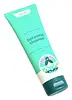
This mild cream cleanser is made to cleanse while calming and soothing your skin.
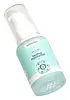
This barrier-repair moisturizer is formulated around Rosa Canina Fruit Oil and Ceramide NP to strengthen the skin barrier and calm redness.

What's inside
What's inside
 Key Ingredients
No key ingredients
Benefits
Concerns
Ingredients Side-by-side
Water
Skin ConditioningGlyceryl Stearate
Emollient

Sorbitan Oleate Decylglucoside Crosspolymer
CleansingCetyl Alcohol
Emollient

Sodium Lauroyl Glutamate
SurfactantCentella Asiatica Extract
Cleansing





Citrullus Lanatus Fruit Water
Skin ConditioningHydrolyzed Milk Protein
Skin ConditioningCoco-Glucoside
Cleansing
Sodium Benzoate
Masking
Sodium Cocoyl Isethionate
Cleansing
Trehalose
Humectant
Sodium PCA
Humectant
Phenoxyethanol
Preservative
EDTA
ChelatingWater
Skin ConditioningCaprylic/Capric Triglyceride
Masking
Rosa Canina Fruit Oil
Emollient
C15-19 Alkane
SolventCeramide NP
Skin Conditioning
Glycerin
Humectant
Hydrogenated Lecithin
Emulsifying
Cholesterol
Emollient
Hydroxyethyl Acrylate/Sodium Acryloyldimethyl Taurate Copolymer
Emulsion StabilisingSnail Secretion Filtrate
Skin Conditioning
Niacinamide
Smoothing





Sodium PCA
Humectant
Squalene
Emollient
Amniotic Fluid
MoisturisingHyaluronic Acid
Humectant
Allantoin
Skin Conditioning
Phenoxyethanol
Preservative
EDTA
ChelatingWater, Caprylic/Capric Triglyceride, Rosa Canina Fruit Oil, C15-19 Alkane, Ceramide NP, Glycerin, Hydrogenated Lecithin, Cholesterol, Hydroxyethyl Acrylate/Sodium Acryloyldimethyl Taurate Copolymer, Snail Secretion Filtrate, Niacinamide, Sodium PCA, Squalene, Amniotic Fluid, Hyaluronic Acid, Allantoin, Phenoxyethanol, EDTA
Reviews
Ingredients Explained
These ingredients are found in both products.
Ingredients higher up in an ingredient list are typically present in a larger amount.
EDTA is a chelating agent. This is just a fancy way of saying it grabs onto metal ions and holds them so they don't cause trouble.
Trace metals like iron, copper, and calcium sneak into products through water and raw materials. These metals make oils go rancid, cause color and texture changes, and stop preservatives and cleansers from doing their job properly.
EDTA locks them up so it's a neat little background helper ingredient.
Typical use is under 2% but numbers as high as 10-25% have been reported in hair color products.
The Cosmetic Ingredient Review panel looked at the whole family and concluded they're safe as used. At cosmetic concentrations, they have not been found to be skin irritants or sensitizers.
Clinical testing has found no absorption through skin so the scary-sounding oral toxicity numbers from animal studies aren't relevant to a face cream.
One real formulation note: this ingredient is a penetration enhancer so it can slightly increase how much of the other ingredients get through (though this is more of a thing for formulators to work around).
Allergy is genuinely rare; there are a handful of case reports so be sure to avoid if you're patch test positive to EDTA.
Learn more about EDTAPhenoxyethanol is one of the most widely used preservatives in skincare (and for good reason!).
It has a large spectrum of antimicrobial activity and especially effective bacteria, yeast, and mold while only having a weak effect on your skin's natural microbiome.
On a cellular level, it disrupts the cell membranes of microbes by poking holes that make the cell leak. This shuts down the chemical reactions the microbe needs to make energy so it can no longer survive.
Another perk of this ingredient is that it stays functional across a wide pH range (3-10).
You'll often see it paired with boosters like Ethylhexylglycerin; one study showed that a 1:9 ratio of Ethylhexylglycerin to Phenoxyethanol damages bacterial membranes as effectively as doubling the Phenoxyethanol concentration on its own.
Typical use concentrations range from 0.3-1% depending on the formula, and this ingredient is capped at 1% int the EU.
Safety-wise, the fear mongering does not hold up to the evidence. The EU's Scientific Committee on Consumer Safety and FDA consider it safe as a preservative at up to 1%, including for children of all ages.
Adverse systemic effects only showed up in animal studies at exposures roughly 200x higher than what people get from cosmetics. And despite its very widespread use, this ingredient is a rare sensitizer and allergic reactions are uncommon.
Learn more about PhenoxyethanolSodium PCA (the salt of PCA) is one of the most well-established humectants in skincare.
Why is it so special? Your skin already makes it naturally; it's a natural component of your skin's Natural Moisturizing Factor (NMF), or the mix of water-binding compounds inside your skin cells that keeps things soft and hydrated.
As a cosmetic ingredient, it grabs water and holds it in the upper layers of skin to smooth roughness and ease dehydration.
There's some clinical support for the NMF approach with a study showing that a cream built to mimic the skin's NMF significantly boosted hydration.
Safety-wise, this ingredient non-irritating, non-comedogenic, and non-phototoxic in testing, with minimal skin absorption.
It also works really well with other hydrators like glycerin or hyaluronic acid, and typical usage is somewhere between 0.2-4%.
Learn more about Sodium PCAWater. It's the most common cosmetic ingredient of all. You'll usually see it at the top of ingredient lists, meaning that it makes up the largest part of the product.
So why is it so popular? Water most often acts as a solvent - this means that it helps dissolve other ingredients into the formulation.
You'll also recognize water as that liquid we all need to stay alive. If you see this, drink a glass of water. Remember to stay hydrated!
Learn more about Water

