
What's inside
What's inside
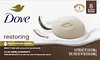 Key Ingredients
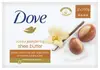
No key ingredients
Benefits
Concerns
Ingredients Side-by-side
Sodium Lauroyl Isethionate
CleansingStearic Acid
Cleansing



Lauric Acid
Cleansing

Sodium Tallowate
Cleansing
Sodium Palmitate
CleansingWater
Skin ConditioningSodium Isethionate
CleansingSodium Stearate
CleansingCocamidopropyl Betaine
Cleansing

Sodium Cocoate/Sodium Palm Kernelate
Parfum
Masking

Sodium Chloride
MaskingPropylene Glycol
Humectant
Tetrasodium Etidronate
ChelatingTetrasodium EDTA
ChelatingCocos Nucifera Fruit Extract
Emollient
Nonfat Dry Milk
Skin ConditioningCI 14700
Cosmetic ColorantCI 17200
Cosmetic ColorantCI 77891
Cosmetic ColorantSodium Lauroyl Isethionate, Stearic Acid, Lauric Acid, Sodium Tallowate, Sodium Palmitate, Water, Sodium Isethionate, Sodium Stearate, Cocamidopropyl Betaine, Sodium Cocoate/Sodium Palm Kernelate, Parfum, Sodium Chloride, Propylene Glycol, Tetrasodium Etidronate, Tetrasodium EDTA, Cocos Nucifera Fruit Extract, Nonfat Dry Milk, CI 14700, CI 17200, CI 77891
Sodium Lauroyl Isethionate
CleansingStearic Acid
Cleansing
Sodium Palmitate
CleansingWater
Skin ConditioningLauric Acid
Cleansing
Sodium Isethionate
CleansingSodium Stearate
CleansingCocamidopropyl Betaine
Cleansing
Parfum
Masking
Sodium Palm Kernelate
CleansingButyrospermum Parkii Butter
Skin Conditioning
Glycerin
Humectant
Sodium Chloride
MaskingZinc Oxide
Cosmetic Colorant


Propylene Glycol
Humectant
Tetrasodium EDTA
ChelatingTetrasodium Etidronate
ChelatingAlumina
Abrasive
Benzyl Alcohol
Perfuming


Benzyl Salicylate
Perfuming
Butylphenyl Methylpropional
Perfuming
Coumarin
Perfuming
Hexyl Cinnamal
Perfuming
Limonene
Perfuming
Linalool
Perfuming
CI 15985
Cosmetic ColorantCI 19140
Cosmetic ColorantCI 77891
Cosmetic ColorantSodium Lauroyl Isethionate, Stearic Acid, Sodium Palmitate, Water, Lauric Acid, Sodium Isethionate, Sodium Stearate, Cocamidopropyl Betaine, Parfum, Sodium Palm Kernelate, Butyrospermum Parkii Butter, Glycerin, Sodium Chloride, Zinc Oxide, Propylene Glycol, Tetrasodium EDTA, Tetrasodium Etidronate, Alumina, Benzyl Alcohol, Benzyl Salicylate, Butylphenyl Methylpropional, Coumarin, Hexyl Cinnamal, Limonene, Linalool, CI 15985, CI 19140, CI 77891
Reviews
Ingredients Explained
These ingredients are found in both products.
Ingredients higher up in an ingredient list are typically present in a larger amount.
Ci 77891 is a white pigment from Titanium dioxide. It is naturally found in minerals such as rutile and ilmenite.
It's main function is to add a white color to cosmetics. It can also be mixed with other colors to create different shades.
Ci 77891 is commonly found in sunscreens due to its ability to block UV rays.
Learn more about CI 77891Cocamidopropyl Betaine is a fatty acid created by mixing similar compounds in coconut oil and dimethylaminopropylamine, a compound with two amino groups.
This ingredient is a surfactant and cleanser. It helps gather the dirt, pollutants, and other impurities in your skin to be washed away. It also helps thicken a product and make the texture more creamy.
Being created from coconut oil means Cocamidopropyl Betaine is hydrating for the skin.
While Cocamidopropyl Betaine was believed to be an allergen, a study from 2012 disproved this. It found two compounds in unpure Cocamidopropyl Betaine to be the irritants: aminoamide and 3-dimethylaminopropylamine. High-grade and pure Cocamidopropyl Betaine did not induce allergic reactions during this study.
Learn more about Cocamidopropyl BetaineLauric Acid is a saturated fatty acid naturally found in coconut oil, palm kernel oil, and even breast milk.
In cosmetics, it is an:
Lab studies have found that lauric acid is surprisingly good at killing acne-causing bacteria. However, these tests were done on bacteria in a petri dish and not on real skin, so we can't say for certain it works the same in a formulation on a real face.
The comedogenic rating of 4 comes from the 1972 rabbit ear model using undiluted ingredients. Comedogenicity is highly individual and one comedogenic ingredient cannot predict how a formula will behave on skin.
This ingredient is not fungal acne safe and research has confirmed Malassezia can use it as a food source. Even though "fungal acne" has the word "acne" in it, they are completely different. Regular acne is driven by a bacteria called Cutibacterium acnes, clogged pores, and excess oil. Fungal acne isn't really acne; it's caused by an overgrowth of a yeast called Malassezia that already lives on everyone's skin. Because one is bacterial and the other is fungal, they respond to different ingredients.
Learn more about Lauric AcidParfum is a catch-all term for an ingredient or more that is used to give a scent to products.
Also called "fragrance", this ingredient can be a blend of hundreds of chemicals or plant oils. This means every product with "fragrance" or "parfum" in the ingredients list is a different mixture.
For instance, Habanolide is a proprietary trade name for a specific aroma chemical. When used as a fragrance ingredient in cosmetics, most aroma chemicals fall under the broad labeling category of “FRAGRANCE” or “PARFUM” according to EU and US regulations.
The term 'parfum' or 'fragrance' is not regulated in many countries. In many cases, it is up to the brand to define this term.
For instance, many brands choose to label themselves as "fragrance-free" because they are not using synthetic fragrances. However, their products may still contain ingredients such as essential oils that are considered a fragrance by INCI standards.
One example is Calendula flower extract. Calendula is an essential oil that still imparts a scent or 'fragrance'.
Depending on the blend, the ingredients in the mixture can cause allergies and sensitivities on the skin. Some ingredients that are known EU allergens include linalool and citronellol.
Parfum can also be used to mask or cover an unpleasant scent.
The bottom line is: not all fragrances/parfum/ingredients are created equally. If you are worried about fragrances, we recommend taking a closer look at an ingredient. And of course, we always recommend speaking with a professional.
Learn more about ParfumPropylene Glycol is a synthetic, colorless, odorless liquid that has been a staple in cosmetics for decades. It is a skin conditioning agent, humectant, and solvent.
As a humectant, it draw water to the skin to reduce flaking and restore suppleness. It's also a solvent that helps dissolve other actives and keeps formulas stable across temperature changes.
The CIR Expert Panel has confirmed this ingredient to be nontoxic and clinical studies show no sensitization at cosmetic use concentrations.
True allergic reactions are quite rare: a 15-year retrospective study of 6,751 patients found only 0.31% had a positive reaction (and less than half were considered clinically relevant).
It seemed that when sensitization does occur, it's most commonly linked to topical medication (like corticosteroids) and not cosmetics. Allergic contact dermatitis also appears largely limited to individuals with underlying skin conditions.
Overall, propylene glycol is a well-studied ingredient that most people can tolerate without issue.
Learn more about Propylene GlycolChances are, you eat sodium chloride every day. Sodium Chloride is also known as table salt. This ingredient has many purposes in skincare: thickener, emulsifier, and exfoliator.
You'll most likely find this ingredient in cleansers where it is used to create a gel-like texture. As an emulsifier, it also prevents ingredients from separating.
You might see people debate whether Sodium Chloride is comedogenic, but there actually haven't been any comedogenic tests done on it. Either way, the overall formulation of a product matters a lot more than any single ingredient.
You might see this ingredient used in scrubs as a primary exfoliating ingredient.
Learn more about Sodium ChlorideWe don't have a description for Sodium Isethionate yet.
This cleansing agent is derived from coconuts. You might know it as "SLI".
SLI is known for giving products a creamy lather while providing a gentle cleanse. You can find this product in face cleansers, shampoos, and body washes.
According to a manufacturer, it is stable in water-based formulations with a pH of 6-8. This ingredient is fully soluble in hot water and partially soluble in cold water.
Learn more about Sodium Lauroyl IsethionateWe don't have a description for Sodium Palmitate yet.
Sodium Stearate is soap and usually the main thing holding a bar of soap together. In cosmetics, it does three jobs: it cleanses, thickens, and turns liquids into solid sticks.
Use levels vary hugely by product type; supplier guidance puts the typical range at 0.5-20%, with bar soaps at 5-20%, deodorant sticks at 4-8%, and under 1% when it's acting as a co-emulfisifier. Industry data has reported levels as high as 84% in some leave-on fragrance products.
Safety-wise, it's about as well-established as an ingredient gets. The FDA and European food-safety regulators treat this ingredient as safe in food.
Allergy risk is genuinely low too; stearates aren't on standard patch test series and published sensitization reports are scarce. The more realistic concern is irritation since high-percentage soaps can leave the skin tight and dry.
Learn more about Sodium StearateStearic Acid is a fatty acid that is already found in your skin. It's one of the free fatty acids that works alongside ceramides and cholesterols to maintain your barrier.
In cosmetics, it is a multitasker:
Safety-wise, the CIR Expert Panel has concluded it to be safe in cosmetics when formulated to be non-irritating and non-sensitizing.
Free stearic acid is a C18 fatty acid that the Malassezia yeast can substrate, so this ingredient may not be fungal acne safe.
Learn more about Stearic AcidTetrasodium EDTA is the salt formed from neutralizing ethylenediamine tetraacetic acid with sodium hydroxide. It is a chelating agent and used to prevent metal ions from binding to other ingredients. This helps keep the product and ingredients stable.
Tetrasodium EDTA comes as a white solid and is soluble in water.
We don't have a description for Tetrasodium Etidronate yet.
Water. It's the most common cosmetic ingredient of all. You'll usually see it at the top of ingredient lists, meaning that it makes up the largest part of the product.
So why is it so popular? Water most often acts as a solvent - this means that it helps dissolve other ingredients into the formulation.
You'll also recognize water as that liquid we all need to stay alive. If you see this, drink a glass of water. Remember to stay hydrated!
Learn more about Water

