
What's inside
What's inside
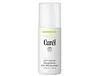 Key Ingredients
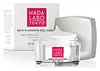
Benefits
Concerns
Ingredients Side-by-side
Water
Skin ConditioningGlycerin
Humectant


Butylene Glycol
Humectant
Dimethicone
Emollient
Cetyl-Pg Hydroxyethyl Palmitamide
Skin ConditioningSodium Methyl Stearoyl Taurate
CleansingAllantoin
Skin Conditioning

Acrylates/C10-30 Alkyl Acrylate Crosspolymer
Emulsion StabilisingHydroxypropyl Methylcellulose
Emulsion StabilisingHydroxyundecanoic Acid
Skin ConditioningArginine
Masking
Zinc Oxide
Cosmetic Colorant


Eucalyptus Globulus Leaf Extract
Perfuming
Bis-Methoxypropylamido Isodocosane
EmollientMethylparaben
Preservative


Water, Glycerin, Butylene Glycol, Dimethicone, Cetyl-Pg Hydroxyethyl Palmitamide, Sodium Methyl Stearoyl Taurate, Allantoin, Acrylates/C10-30 Alkyl Acrylate Crosspolymer, Hydroxypropyl Methylcellulose, Hydroxyundecanoic Acid, Arginine, Zinc Oxide, Eucalyptus Globulus Leaf Extract, Bis-Methoxypropylamido Isodocosane, Methylparaben
Water
Skin ConditioningHydroxyethyl Urea
Humectant
Butylene Glycol
Humectant
Glycerin
Humectant
Pentylene Glycol
Skin Conditioning
PEG/PPG/Polybutylene Glycol-8/5/3 Glycerin
HumectantSqualane
Emollient
Triethylhexanoin
MaskingAmmonium Acryloyldimethyltaurate/Vp Copolymer
Agar
MaskingAlpha-Glucan
HumectantArginine
Masking
Citric Acid
Buffering


Dimethicone
Emollient
Dipropylene Glycol
HumectantDisodium EDTA
Glucosyl Ceramide
Skin Conditioning
Hydrolyzed Collagen
Emollient
Hydrolyzed Hyaluronic Acid
Humectant
Iodopropynyl Butylcarbamate
Preservative
Methylisothiazolinone
Preservative
Sodium Acetylated Hyaluronate
Humectant
Sodium Chloride
MaskingSodium Citrate
BufferingSodium Hyaluronate
Humectant
Triethyl Citrate
Masking
Water, Hydroxyethyl Urea, Butylene Glycol, Glycerin, Pentylene Glycol, PEG/PPG/Polybutylene Glycol-8/5/3 Glycerin, Squalane, Triethylhexanoin, Ammonium Acryloyldimethyltaurate/Vp Copolymer, Agar, Alpha-Glucan, Arginine, Citric Acid, Dimethicone, Dipropylene Glycol, Disodium EDTA, Glucosyl Ceramide, Hydrolyzed Collagen, Hydrolyzed Hyaluronic Acid, Iodopropynyl Butylcarbamate, Methylisothiazolinone, Sodium Acetylated Hyaluronate, Sodium Chloride, Sodium Citrate, Sodium Hyaluronate, Triethyl Citrate
Ingredients Explained
These ingredients are found in both products.
Ingredients higher up in an ingredient list are typically present in a larger amount.
Arginine is a semi-essential amino acid. This just means our bodies can product a bit on its own, but sometimes needs a little boost from food sources.
It is a part of your skin's natural moisturizing factor (NMF), or the water-loving molecules in your outermost layer of skin (stratum corneum) that keeps everything hydrated and happy.
Here's an interesting thing about Arginine: your skin converts it into urea through the Krebs-Henseleit urea cycle. Urea is one of the most effective humectants your skin naturally produces.
A clinical study showed applying 2.5% arginine hydrochloride to atopic dermatitis skin showed significant urea levels in the stratum corneum and improved moisture in just four weeks.
Arginine is also a precursor to nitric oxide; nitric oxide improves microcirculation and supports wound healing and collagen synthesis.
One study found that an amino acid complex containing Arginine reduced skin irritation, improved hydration, and accelerated skin repair in clinical / in-vivo studies.
Arginine itself is an amino acid and not a fatty acid, oil, or ester. On its own, it's not a direct food source for Malassezia, or the yeast that causes fungal acne.
Learn more about ArginineButylene Glycol (or BG) is used within cosmetic products for a few different reasons:
Overall, Butylene Glycol is a safe and well-rounded ingredient that works well with other ingredients.
Though this ingredient works well with most skin types, some people with sensitive skin may experience a reaction such as allergic rashes, closed comedones, or itchiness.
Learn more about Butylene GlycolDimethicone is a type of synthetic silicone created from natural materials such as quartz. It is also known as polydimethylsiloxane.
What it does:
Dimethicone comes in different viscosities:
Depending on the viscosity, dimethicone has different properties.
Ingredients lists don't always show which type is used, so we recommend reaching out to the brand if you have questions about the viscosity.
This ingredient is unlikely to cause irritation because it does not get absorbed into skin. However, people with silicone allergies should be careful about using this ingredient.
Note: Dimethicone may contribute to pilling. This is because it is not oil or water soluble, so pilling may occur when layered with products. When mixed with heavy oils in a formula, the outcome is also quite greasy.
Learn more about DimethiconeGlycerin (or glycerol) is a compound naturally found in your skin. It's a powerhouse humectant that pulls water into the stratum corneum.
Topically, glycerin does several things at once:
Your skin makes glycerin on its own (mostly from sebaceous oil breakdown) and shuttles it to your outermost layer of skin, or your epidermis, via aquaporin-3.
Aquaporin-3 is a transporter that is essential for normal skin hydration, elasticity, and repair. Interestingly, mice lacking in AQP3 have dry and less elastic skin that can be fully corrected with glycerin.
This ingredient is non-irritating, plays well with almost every ingredient, and works across all skin types. Typical use is anywhere between 3-10% but can go up to 79% in some leave-on products.
Just know very high concentrations (>40%) can feel tacky in low humidity.
Glycerin is the name for this ingredient in American English. British English uses Glycerol/Glycerine.
Learn more about GlycerinWater. It's the most common cosmetic ingredient of all. You'll usually see it at the top of ingredient lists, meaning that it makes up the largest part of the product.
So why is it so popular? Water most often acts as a solvent - this means that it helps dissolve other ingredients into the formulation.
You'll also recognize water as that liquid we all need to stay alive. If you see this, drink a glass of water. Remember to stay hydrated!
Learn more about Water
