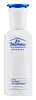
This smoothing toner is formulated around Salix Alba Bark Water and Glycolic Acid to refine skin texture and refine the look of pores.
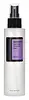
This calming toner is formulated around Centella Asiatica Leaf Extract and Panthenol to calm redness and strengthen the skin barrier.

What's inside
What's inside
 Key Ingredients
Benefits
Concerns
Ingredients Side-by-side









Water
Skin ConditioningDipropylene Glycol
HumectantGlycerin
Humectant


1,2-Hexanediol
Skin Conditioning
Hexyldecyl Ethylhexanoate
EmollientPentaerythrityl Tetraethylhexanoate
Emollient
Alcohol Denat.
Antimicrobial




Centella Asiatica Leaf Extract
Skin Conditioning


Betaine
Humectant
Panthenol
Skin Conditioning
Beta-Glucan
Skin Conditioning
Sodium Hyaluronate
Humectant
Butylene Glycol
Humectant
Acrylates/C10-30 Alkyl Acrylate Crosspolymer
Emulsion StabilisingTromethamine
BufferingCyclopentasiloxane
Emollient
Dimethicone
Emollient
Trisodium EDTA
ChelatingCaprylic/Capric Triglyceride
Masking
Cinnamomum Camphora Bark Oil
Masking
Litsea Cubeba Fruit Oil
Masking

Citrus Aurantium Bergamia Fruit Oil
Masking
Origanum Majorana Leaf Oil
Masking
Cymbopogon Martini Oil
Masking
Citrus Aurantium Dulcis Flower Oil
Astringent
Water, Dipropylene Glycol, Glycerin, 1,2-Hexanediol, Hexyldecyl Ethylhexanoate, Pentaerythrityl Tetraethylhexanoate, Alcohol Denat., Centella Asiatica Leaf Extract, Betaine, Panthenol, Beta-Glucan, Sodium Hyaluronate, Butylene Glycol, Acrylates/C10-30 Alkyl Acrylate Crosspolymer, Tromethamine, Cyclopentasiloxane, Dimethicone, Trisodium EDTA, Caprylic/Capric Triglyceride, Cinnamomum Camphora Bark Oil, Litsea Cubeba Fruit Oil, Citrus Aurantium Bergamia Fruit Oil, Origanum Majorana Leaf Oil, Cymbopogon Martini Oil, Citrus Aurantium Dulcis Flower Oil
Reviews
Ingredients Explained
These ingredients are found in both products.
Ingredients higher up in an ingredient list are typically present in a larger amount.
1,2-Hexanediol is a synthetic liquid and another multi-functional powerhouse.
It is a:
- Humectant, drawing moisture into the skin
- Emollient, helping to soften skin
- Solvent, dispersing and stabilizing formulas
- Preservative booster, enhancing the antimicrobial activity of other preservatives
Butylene Glycol (or BG) is used within cosmetic products for a few different reasons:
Overall, Butylene Glycol is a safe and well-rounded ingredient that works well with other ingredients.
Though this ingredient works well with most skin types, some people with sensitive skin may experience a reaction such as allergic rashes, closed comedones, or itchiness.
Learn more about Butylene GlycolPanthenol is a common ingredient that helps hydrate and soothe the skin. It is found naturally in our skin and hair.
There are two forms of panthenol: D and L.
D-panthenol is also known as dexpanthenol. Most cosmetics use dexpanthenol or a mixture of D and L-panthenol.
Panthenol is famous due to its ability to go deeper into the skin's layers. Using this ingredient has numerous pros (and no cons):
Like hyaluronic acid, panthenol is a humectant. Humectants are able to bind and hold large amounts of water to keep skin hydrated.
This ingredient works well for wound healing. It works by increasing tissue in the wound and helps close open wounds.
Once oxidized, panthenol converts to pantothenic acid. Panthothenic acid is found in all living cells.
This ingredient is also referred to as pro-vitamin B5.
Learn more about PanthenolWater. It's the most common cosmetic ingredient of all. You'll usually see it at the top of ingredient lists, meaning that it makes up the largest part of the product.
So why is it so popular? Water most often acts as a solvent - this means that it helps dissolve other ingredients into the formulation.
You'll also recognize water as that liquid we all need to stay alive. If you see this, drink a glass of water. Remember to stay hydrated!
Learn more about Water

