
What's inside
What's inside
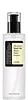 Key Ingredients
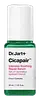
Benefits
Ingredients Side-by-side



Water
Skin ConditioningGlycerin
Humectant


Butylene Glycol
Humectant
Propanediol
Solvent
Methyl Gluceth-20
Humectant
Ethoxydiglycol
HumectantBetaine
Humectant
Allantoin
Skin Conditioning
Octyldodecanol
Emollient
Ethylhexylglycerin
Skin ConditioningAsiaticoside
Antioxidant


Madecassic Acid
Skin Conditioning
Glycolipids
Skin ConditioningAsiatic Acid
Skin Conditioning
Polyglyceryl-4 Oleate
Emulsifying
Centella Asiatica Leaf Extract
Skin Conditioning
Sodium Stearoyl Glutamate
CleansingPalmitoyl Tripeptide-8
Skin Conditioning

1,2-Hexanediol
Skin Conditioning
Isopentyldiol
Humectant
Carbomer
Emulsion StabilisingXanthan Gum
EmulsifyingTromethamine
BufferingPolyglyceryl-10 Laurate
Skin Conditioning
Hydrogenated Lecithin
Emulsifying
C12-13 Alketh-9
EmulsifyingSodium Surfactin
CleansingDextran
CI 19140
Cosmetic ColorantCI 42090
Cosmetic ColorantWater, Glycerin, Butylene Glycol, Propanediol, Methyl Gluceth-20, Ethoxydiglycol, Betaine, Allantoin, Octyldodecanol, Ethylhexylglycerin, Asiaticoside, Madecassic Acid, Glycolipids, Asiatic Acid, Polyglyceryl-4 Oleate, Centella Asiatica Leaf Extract, Sodium Stearoyl Glutamate, Palmitoyl Tripeptide-8, 1,2-Hexanediol, Isopentyldiol, Carbomer, Xanthan Gum, Tromethamine, Polyglyceryl-10 Laurate, Hydrogenated Lecithin, C12-13 Alketh-9, Sodium Surfactin, Dextran, CI 19140, CI 42090
Reviews
Ingredients Explained
These ingredients are found in both products.
Ingredients higher up in an ingredient list are typically present in a larger amount.
1,2-Hexanediol is a synthetic liquid and another multi-functional powerhouse.
It is a:
- Humectant, drawing moisture into the skin
- Emollient, helping to soften skin
- Solvent, dispersing and stabilizing formulas
- Preservative booster, enhancing the antimicrobial activity of other preservatives
Allantoin is a soothing ingredient known for its protective and moisturizing properties; it's basically a quiet workhorse ingredient you can find in a huge range of cosmetics.
Though it can be derived from the comfrey plant, allantoin is produced synthetically for cosmetic products to ensure purity.
Research shows it can encourage your skin cells to turn over and renew by stimulating keratinocyte and fibroblast proliferation.
It also has mild keratolytic properties to help loosen and shed dead skin cells without being harsh.
Studies also suggest allantoin can help calm inflammation by dialing down some of the chemical signals your skin sends out when it is irritated.
This ingredient is typically used in the 0.1-0.5% range, and the FDA recognizes it as a skin protectant in OTC products up to 2%.
Overall, allantoin is a wonderful addition to most routines; it is stable across a wide pH range (~4-8), works well with other ingredients, and is considered non-sensitizing/non-irritating.
Fun fact: Allantoin is naturally occurring in comfrey root, beets, chamomile, and wheat sprouts. Our bodies even produce it as a byproduct of uric acid metabolism.
Learn more about AllantoinBetaine is a humectant. Like hyaluronic acid, it helps attract and retain moisture in the skin. It’s known for being gentle and for helping the skin maintain balanced hydration.
Betaine is mainly used to improve hydration and support calmer skin. It helps skin cells regulate water balance because it functions as an osmolyte.
Some studies suggest betaine may support making skin tone more even.
Fun fact: Betaine naturally exists in the skin and the body. In cosmetic products, it can be either plant-derived (most commonly from sugar beets) or synthetically produced for consistency and stability.
Betaine is also known as trimethylglycine.
Learn more about BetaineButylene Glycol (or BG) is used within cosmetic products for a few different reasons:
Overall, Butylene Glycol is a safe and well-rounded ingredient that works well with other ingredients.
Though this ingredient works well with most skin types, some people with sensitive skin may experience a reaction such as allergic rashes, closed comedones, or itchiness.
Learn more about Butylene GlycolCarbomer is a high-molecular weight polymer of acrylic acid. It is used to form gels and thicken formulas.
Due to its large molecular size, carbomer has minimal skin penetration and is considered an inert ingredient.
A high amount of carbomer can cause pilling or balling up of products. Don't worry, most products contain 1% or less of carbomer.
Learn more about Carbomer
