
What's inside
What's inside
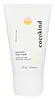 Key Ingredients
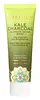
Benefits
Concerns
Ingredients Side-by-side
Aloe Barbadensis Leaf Juice
Skin Conditioning


Sea Silt
Skin ConditioningBentonite
Absorbent

Kaolin
Abrasive

Glycerin
Humectant

Helianthus Annuus Seed Oil
Emollient


Stearyl Alcohol
Emollient
Cetearyl Alcohol
Emollient



Persea Gratissima Oil
Skin Conditioning
Phenethyl Alcohol
MaskingGlyceryl Stearate
Emollient
Cucumis Sativus Seed
Exfoliating
Xanthan Gum
EmulsifyingCaprylic/Capric Triglyceride
Masking
Tocopherol
Antioxidant




Salvia Sclarea Oil
Masking
Cetyl Phosphate
EmulsifyingSodium Dehydroacetate
Preservative
Vegetable Oil
Skin Conditioning
Caprylhydroxamic Acid
ChelatingQuartz
Abrasive
Crambe Maritima Leaf Extract
Skin ConditioningAloe Barbadensis Leaf Juice, Sea Silt, Bentonite, Kaolin, Glycerin, Helianthus Annuus Seed Oil, Stearyl Alcohol, Cetearyl Alcohol, Persea Gratissima Oil, Phenethyl Alcohol, Glyceryl Stearate, Cucumis Sativus Seed, Xanthan Gum, Caprylic/Capric Triglyceride, Tocopherol, Salvia Sclarea Oil, Cetyl Phosphate, Sodium Dehydroacetate, Vegetable Oil, Caprylhydroxamic Acid, Quartz, Crambe Maritima Leaf Extract
Water
Skin ConditioningKaolin
Abrasive
Bentonite
Absorbent
Glycerin
Humectant
Epilobium Angustifolium Leaf Extract
Skin ConditioningCharcoal
Abrasive
Brassica Oleracea Acephala Leaf Extract
HumectantCamellia Sinensis Extract
Antioxidant
Xanthan Gum
EmulsifyingAloe Barbadensis Leaf Juice
Skin Conditioning
Potassium Sorbate
Preservative
Moringa Oleifera Seed Oil
Emollient
Undaria Pinnatifida Extract
Skin ConditioningFucus Vesiculosus Extract
Emollient
Cucumis Sativus Fruit Extract
Emollient
Panthenol
Skin Conditioning
Methyl Lactate
Perfuming

Phenoxyethanol
Preservative
Ethylhexylglycerin
Skin ConditioningParfum
Masking
Water, Kaolin, Bentonite, Glycerin, Epilobium Angustifolium Leaf Extract, Charcoal, Brassica Oleracea Acephala Leaf Extract, Camellia Sinensis Extract, Xanthan Gum, Aloe Barbadensis Leaf Juice, Potassium Sorbate, Moringa Oleifera Seed Oil, Undaria Pinnatifida Extract, Fucus Vesiculosus Extract, Cucumis Sativus Fruit Extract, Panthenol, Methyl Lactate, Phenoxyethanol, Ethylhexylglycerin, Parfum
Reviews
Ingredients Explained
These ingredients are found in both products.
Ingredients higher up in an ingredient list are typically present in a larger amount.
Aloe Barbadensis Leaf Juice is the filtered, stabilized liquid pressed from the inner gel of the aloe vera leaf.
In cosmetics, it shows up as either soothing active or a water-replacement base. It is roughly 98-99% water and the last 1-2% is an interesting mix of polysaccharides, amino acids, vitamins, minerals, and enzymes.
The polysaccharides do most of the work: they bind water at the skin surface for a light, non-greasy hydration boost. And one of the polysaccharides, glycomannan, is linked to fibroblast stimulation + collagen synthesis. This is also why aloe has such a long track record in wound and burn healing.
This ingredient is also calming with anti-inflammatory and mild antimicrobial activity, making it a great pick for sensitive, irritated, or post-sun skin.
Realistic expectations matter though; the solid evidence is mostly limited to hydration, soothing, and wound support. Deeper claims about anti-aging or sun protection are not well backed, and science reviews note it does not prevent radiation-induced skin injury.
Because it plays well with almost everything, it's commonly used as a base alongside other actives like niacinamide or vitamin C.
Typical usage concentrations range from 0.5% (where hydration benefits already show up) all the way to 90%+ (where it replaces water as the main base).
The safety for this ingredient is well-establish as well. Overall, this is a great supporting ingredient for those who want a boost in hydration.
Learn more about Aloe Barbadensis Leaf JuiceBentonite is an aluminium phyllosilicate clay with great absorbent properties. The name 'bentonite' comes from the area where the largest source is found: Fort Benton, Wyoming.
As a clay, bentonite is often used to absorb excess oil and provide exfoliation. It has also been shown to have some antibacterial and anti-inflammatory properties. Studies show bentonite was effective at calming dermatitis from poison ivy and in diaper dermatitis of infants. Bentonite has also been shown to act as a barrier against toxic compounds on your skin.
Sunscreens containing bentonite display higher water resistance and stay on the skin for much longer. The sunscreens containing bentonite also show higher potency and UV light absorbtion.
Bentonite is naturally created from volcanic ash and several natural weathering/hydrothermal processes.
A common usage of bentonite is removing excess protein from white wines. Bentonite contains a property of being able to absorb large amounts of protein from aqueous solutions.
Phyllosilicate clay has a structure formed by sheets.
Learn more about BentoniteGlycerin (or glycerol) is a compound naturally found in your skin. It's a powerhouse humectant that pulls water into the stratum corneum.
Topically, glycerin does several things at once:
Your skin makes glycerin on its own (mostly from sebaceous oil breakdown) and shuttles it to your outermost layer of skin, or your epidermis, via aquaporin-3.
Aquaporin-3 is a transporter that is essential for normal skin hydration, elasticity, and repair. Interestingly, mice lacking in AQP3 have dry and less elastic skin that can be fully corrected with glycerin.
This ingredient is non-irritating, plays well with almost every ingredient, and works across all skin types. Typical use is anywhere between 3-10% but can go up to 79% in some leave-on products.
Just know very high concentrations (>40%) can feel tacky in low humidity.
Glycerin is the name for this ingredient in American English. British English uses Glycerol/Glycerine.
Learn more about GlycerinKaolin is a clay. It is used for oil control and to help minimize pores. Like other clays, kaolin has the ability to absorb excess sebum or oil. This can help clean out pores and mattify the skin.
Some types of kaolin may have exfoliating properties. When water is added to kaolin, it becomes a paste with small abrasive particles.
Most kaolin is a white color, but may be pink/orange/red depending on where it comes from.
The name 'kaolin' comes from a Chinese village named 'Gaoling'. Kaolin clay comes from rocks rich in kaolinite. Kaolinite, the mineral, has a silicate layered structure. Kaolinite is formed from chemical weathering of aluminum siilicate minerals.
Besides skincare, kaolin is commonly used to make glossy paper, in ceramics, toothpaste, and as medicine to soothe stomach issues.
Learn more about KaolinXanthan gum is used as a stabilizer and thickener within cosmetic products. It helps give products a sticky, thick feeling - preventing them from being too runny.
On the technical side of things, xanthan gum is a polysaccharide - a combination consisting of multiple sugar molecules bonded together.
Xanthan gum is a pretty common and great ingredient. It is a natural, non-toxic, non-irritating ingredient that is also commonly used in food products.
Learn more about Xanthan Gum

