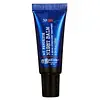
This barrier-repair lip moisturizer is formulated around Petrolatum and Butyrospermum Parkii Butter to strengthen the lip barrier and hydrate lips.
This barrier-repair lip moisturizer is formulated around Squalane and Olea Europaea Fruit Oil to strengthen the lip barrier and hydrate lips.


What's inside
What's inside
 Key Ingredients
No key ingredients
Benefits
Concerns
Ingredients Side-by-side
Hydrogenated Polyisobutene
EmollientPetrolatum
Emollient



Butyrospermum Parkii Butter
Skin Conditioning




Bis-Diglyceryl Polyacyladipate-2
Emollient
Bis-Diglyceryl Polyacyladipate-1
Emollient
Paraffinum Liquidum
Emollient
Synthetic Beeswax
Emulsion Stabilising
Microcrystalline Wax
Emulsion StabilisingLanolin Oil
Emollient
Diisostearyl Malate
EmollientEthylene/Propylene/Styrene Copolymer
Euphorbia Cerifera Cera
Astringent
Paraffin
Skin Conditioning
Caprylic/Capric Triglyceride
Masking
Silica Silylate
Emollient
Butylene/Ethylene/Styrene Copolymer
Vanilla Planifolia Fruit Extract
Skin Conditioning
Sodium Saccharin
MaskingHydrogenated Polyisobutene, Petrolatum, Butyrospermum Parkii Butter, Bis-Diglyceryl Polyacyladipate-2, Bis-Diglyceryl Polyacyladipate-1, Paraffinum Liquidum, Synthetic Beeswax, Microcrystalline Wax, Lanolin Oil, Diisostearyl Malate, Ethylene/Propylene/Styrene Copolymer, Euphorbia Cerifera Cera, Paraffin, Caprylic/Capric Triglyceride, Silica Silylate, Butylene/Ethylene/Styrene Copolymer, Vanilla Planifolia Fruit Extract, Sodium Saccharin
Lanolin Oil
Emollient
Caprylic/Capric Triglyceride
Masking
Euphorbia Cerifera Cera
Astringent
Beeswax
Emulsion Stabilising
Lanolin
Emollient
Stearic Acid
Cleansing
Squalane
Emollient
Paraffin
Skin Conditioning
Olea Europaea Fruit Oil
Masking
Pentylene Glycol
Skin Conditioning
Tocopherol
Antioxidant




Phenoxyethanol
Preservative
Stearyl Glycyrrhetinate
Skin ConditioningPanax Ginseng Root Extract
Emollient
Aloe Barbadensis Leaf Extract
Emollient
Reviews
Ingredients Explained
These ingredients are found in both products.
Ingredients higher up in an ingredient list are typically present in a larger amount.
Caprylic/Capric Triglyceride (aka MCT Oil) is a lightweight emollient, solvent, and texture enhancer. It is considered a skin-softener by helping to prevent moisture loss.
Though it behaves like an oil, it is not technically one due to its chemical composition. One perk of this ingredient is that it is very stable, resistant to oxidation, and unlikely to go rancid.
In practice, that translates to a long shelf life and a consistently elegant skin feel.
While there is an assumption Caprylic Triglyceride can clog pores due to it being derived from coconut oil, there is no research supporting this. Just patch test if you have concerns.
Fractionated coconut oil and MCT Oil are both listed as Caprylic/Capric Triglyceride according to INCI. This is because INCI names are based on the ingredient’s final chemical composition and not its marketing name or source.
This ingredient is treated as the gold standard fungal acne safe oil. Even though it is coconut derived, the problematic lauric acid is stripped out.
This leaves just caprylic (C8) and capric (C10) acid. These chain lengths actually trend antifungal; a 2020 study found caprylic acid was enough to disrupt Malassezia furfur cell membrane, with a caprylic acid derivative damaging membrane structures at concentrations as low as 0.2%.
Learn more about Caprylic/Capric TriglycerideEuphorbia Cerifera Cera (aka candelilla wax) is a vegan stand-in for beeswax. It is a plant-derived wax that functions as an astringent, emulsion stabilizer, film-former, and skin conditioner.
On skin, it forms a protective barrier that helps lock in moisture while it enhances product stability, prevents separation, and helps color last longer in makeup.
This ingredient is generally safe for use in cosmetics with one nuance: some grades of candelilla wax can naturally contain benzyl alcohol at concentrations high enough to require declaration under EU labeling rules. This isn't a concern for most people but relevant for those with fragrance sensitivities.
Candelilla wax contains fatty acids (mainly C31) and wax esters that can be used by the Malassezia yeast, so this ingredient may not be fungal acne safe.
You might see Euphorbia Cerifera "Wax" instead of "cera". This is because some brands, databases, or labels use it interchangeably; they're the same ingredient.
Learn more about Euphorbia Cerifera CeraLanolin oil is the liquid part of lanolin, or the waxy grease that sheep product to waterproof their wool.
Raw lanolin is a thick, sticky solid so manufactures chill and fractionate it to separate the hard waxy part from the pourable oil portion.
What's left is lanolin oil, and it's a light, non-greasy emollient that sits on skin, slows water loss, and softens rough patches.
Chemically, it's mostly wax esters plus some fatty acids where the majority are branched (making it structurally closer to human sebum than most plant oils).
A 2022 industry survey found lanolin oil has the highest maximum-leave on concentration of any lanolin ingredients (47% in lipsticks and the permitted range for lanolin in US OTC producrts is 12.5-50%).
The concentrations are much lower in actual face products, often between 1-10%.
Lanolin ingredients are found safe at current use levels by the Cosmetic Ingredient Review Expert Panel.
Lanolin has a reputation as pore clogging but that comes almost entirely from rabbit ear testing done decades ago (and that model has aged badly).
This ingredient does have a comedogenic rating of 0-1; the tests state this score means the ingredient has low or non-existent chance of clogging your pores.
Keep in mind that the authors of the rabbit ear test proposed that a material needs to score consistently above 3 in the rabbit assay before it means anything for real skin.
A separate review found the model has serious performance problems and no correlation with human experience. Concentration matters a lot too: in one study, Acetylated Lanolin Alcohol scored 4 to 5 at full strength but dropped to a 1 when diluted to 2.5%, and finished products containing "comedogenic" ingredients didn't raise microcomedone counts in people.
Since this ingredient is build with exactly the esters that Malassezia yeasts can synthesize, this ingredient may not be fungal acne safe.
Learn more about Lanolin OilParaffin is a solid wax that pulls its weight as an emollient, occlusive, and consistency-booster.
It softens skin and lays down a protective film to slow water loss and gives products a stable body and structure.
The cosmetic grade stuff is highly refined with a solid safety record. The CIR Expert Panel has repeatedly reaffirmed this ingredient to be safe in current practices of use and concentration.
The worry about carcinogenic compounds only applies to industrial grades, not the purified version used in skincare.
Despite its reputation, the highly reformed form is non-comedogenic and doesn't penetrate deeply into skin.
The good news for fungal-acne prone folks: the Malassezia yeast feeds on fatty acids and lipids and paraffin doesn't contain any of these (so there's nothing for the yeast to metabolize). This ingredient is considered fungal acne safe.
Learn more about Paraffin

