
What's inside
What's inside
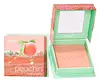 Key Ingredients
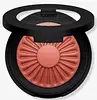
Benefits
Concerns
Ingredients Side-by-side
Synthetic Fluorphlogopite
Mica
Cosmetic ColorantZinc Stearate
Cosmetic ColorantLauryl Dimethicone
Skin Conditioning
Pentaerythrityl Tetraisostearate
Emollient

Alumina
Abrasive
Vinyl Dimethicone/Methicone Silsesquioxane Crosspolymer

Dimethicone/Vinyl Dimethicone Crosspolymer
Skin Conditioning
Caprylyl Glycol
Emollient
Ethylhexylglycerin
Skin ConditioningDehydroacetic Acid
Preservative
Parfum
Masking



Triethoxycaprylylsilane
Pearl Powder
Stearic Acid
Cleansing

Laureth-4
Emulsifying
Water
Skin ConditioningTocopherol
Antioxidant






CI 77891
Cosmetic ColorantCI 19140
Cosmetic ColorantCI 77491
Cosmetic ColorantCI 77499
Cosmetic ColorantCI 77007
Cosmetic ColorantCI 15850
Cosmetic ColorantCI 75470
Cosmetic ColorantSynthetic Fluorphlogopite, Mica, Zinc Stearate, Lauryl Dimethicone, Pentaerythrityl Tetraisostearate, Alumina, Vinyl Dimethicone/Methicone Silsesquioxane Crosspolymer, Dimethicone/Vinyl Dimethicone Crosspolymer, Caprylyl Glycol, Ethylhexylglycerin, Dehydroacetic Acid, Parfum, Triethoxycaprylylsilane, Pearl Powder, Stearic Acid, Laureth-4, Water, Tocopherol, CI 77891, CI 19140, CI 77491, CI 77499, CI 77007, CI 15850, CI 75470
Mica
Cosmetic ColorantCaprylic/Capric Triglyceride
Masking
Bis-Diglyceryl Polyacyladipate-2
Emollient
Diisostearyl Malate
EmollientMicrocrystalline Cellulose
AbsorbentPhenyl Trimethicone
Skin Conditioning
Dimethicone
Emollient
Caffeine
Skin Conditioning
Cucumis Sativus Fruit Extract
Emollient
Borago Officinalis Seed Oil
Emollient
Boron Nitride
Absorbent
Silica
Abrasive
Dimethicone/Vinyl Dimethicone Crosspolymer
Skin Conditioning
Ethylhexylglycerin
Skin ConditioningCaprylyl Glycol
Emollient
Calcium Aluminum Borosilicate
Tin Oxide
Abrasive
Calcium Sodium Borosilicate
Synthetic Fluorphlogopite
Sodium Dehydroacetate
Preservative
Titanium Dioxide
Cosmetic Colorant

Iron Oxides
CI 77742
Cosmetic ColorantCI 15850
Cosmetic ColorantMica, Caprylic/Capric Triglyceride, Bis-Diglyceryl Polyacyladipate-2, Diisostearyl Malate, Microcrystalline Cellulose, Phenyl Trimethicone, Dimethicone, Caffeine, Cucumis Sativus Fruit Extract, Borago Officinalis Seed Oil, Boron Nitride, Silica, Dimethicone/Vinyl Dimethicone Crosspolymer, Ethylhexylglycerin, Caprylyl Glycol, Calcium Aluminum Borosilicate, Tin Oxide, Calcium Sodium Borosilicate, Synthetic Fluorphlogopite, Sodium Dehydroacetate, Titanium Dioxide, Iron Oxides, CI 77742, CI 15850
Reviews
Ingredients Explained
These ingredients are found in both products.
Ingredients higher up in an ingredient list are typically present in a larger amount.
Caprylyl Glycol is a humectant, skin conditioner, emollient, and preservative booster derived from either caprylic acid or synthetically created.
Typical use levels vary from 0.3-1% as a preservative booster and go up to 2% to condition skin.
Because it is not a free-fatty acid, this ingredient is fungal acne safe (there's nothing for Malassezia to feed on).
Learn more about Caprylyl GlycolCi 15850 is the pigment color red. It is an azo dye and created synthetically.
Azo dyes need to be thoroughly purified before use. This allows them to be more stable and longer-lasting.
This ingredient is common in foundations, lipsticks, and blushes. This color is described as brown/orangey red.
It has many secondary names such as Red 6 and Red 7. According to a manufacturer, Red 6 usually contains aluminum.
Learn more about CI 15850This ingredient is a silicone elastomer that works as a texture enhancer, adds a silky slip, and also helps absorb excess oil.
Because it's a large macromolecule that's insoluble in water and chemically inert, it's not expected to penetrate or be absorbed into skin.
Human patch tests with a facial lotion containing 1% of this ingredient found no sensitization.
Learn more about Dimethicone/Vinyl Dimethicone CrosspolymerEthylhexylglycerin is created from glycerin. It is a multitasker ingredient that:
The CIR Expert Panel found minimal skin absorption or sensitization of any kind in a safety assessment. Though this ingredient is considered well-tolerated, a small number of cases of allergic dermatitis have been published since 2002. Just be sure to patch test if you are unsure.
Industry-reported use ranges from 8% in rinse-off products and 2% in leave-on formulations.
Learn more about EthylhexylglycerinMica is a naturally occurring mineral used to add shimmer and color in cosmetics. It can also help improve the texture of a product or give it an opaque, white/silver color.
Serecite is the name for very fine but ragged grains of mica.
This ingredient is often coated with metal oxides like titanium dioxide. Trace amounts of heavy metals may be found in mica, but these metals are not harmful in our personal products.
Mica has been used since prehistoric times throughout the world. Ancient Egyptian, Indian, Greek, Roman, Aztec, and Chinese civilizations have used mica.
Learn more about MicaSynthetic Fluorphlogopite is the synthethic version of mica. It consists of fluorine, aluminum and silicate.
Synthetic Fluorphlogopite is used to add volume to products.
It is considered non-irritating on the skin.
Learn more about Synthetic Fluorphlogopite

