
What's inside
What's inside
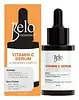 Key Ingredients
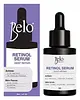
Benefits
Concerns
Ingredients Side-by-side
Water
Skin Conditioning3-O-Ethyl Ascorbic Acid
Skin Conditioning





Glycerin
Humectant

PEG-12 Dimethicone
Skin Conditioning
Phenoxyethanol
Preservative
Ethylhexylglycerin
Skin Conditioning1,2-Hexanediol
Skin Conditioning
Glycine Soja Oil
Emollient





Disodium EDTA
Hydrogenated Phosphatidylcholine
Emulsifying
Feruloyl Oligopeptide-33
Skin Conditioning
Sodium Oleate
CleansingCellulose Gum
Emulsion StabilisingXanthan Gum
EmulsifyingInulin
Skin Conditioning
Cellulose
Absorbent
Glucose
Humectant
Fructose
Humectant
Sodium PCA
Humectant
Tocopheryl Acetate
Antioxidant

PEG-40 Hydrogenated Castor Oil
Emulsifying
Parfum
Masking



Water, 3-O-Ethyl Ascorbic Acid, Glycerin, PEG-12 Dimethicone, Phenoxyethanol, Ethylhexylglycerin, 1,2-Hexanediol, Glycine Soja Oil, Disodium EDTA, Hydrogenated Phosphatidylcholine, Feruloyl Oligopeptide-33, Sodium Oleate, Cellulose Gum, Xanthan Gum, Inulin, Cellulose, Glucose, Fructose, Sodium PCA, Tocopheryl Acetate, PEG-40 Hydrogenated Castor Oil, Parfum
Water
Skin Conditioning1,2-Hexanediol
Skin Conditioning
Glycerin
Humectant
Glycine Soja Oil
Emollient
Disodium EDTA
Hydrogenated Phosphatidylcholine
Emulsifying
Decapeptide-4
Skin Conditioning
Sodium Oleate
CleansingCellulose Gum
Emulsion StabilisingXanthan Gum
EmulsifyingInulin
Skin Conditioning
Cellulose
Absorbent
Glucose
Humectant
Fructose
Humectant
PEG-12 Dimethicone
Skin Conditioning
Phenoxyethanol
Preservative
Ethylhexylglycerin
Skin ConditioningRetinol
Skin Conditioning


Undecane
EmollientTridecane
Perfuming
Tocopherol
Antioxidant
Sodium PCA
Humectant
PEG-40 Hydrogenated Castor Oil
Emulsifying
Parfum
Masking
Water, 1,2-Hexanediol, Glycerin, Glycine Soja Oil, Disodium EDTA, Hydrogenated Phosphatidylcholine, Decapeptide-4, Sodium Oleate, Cellulose Gum, Xanthan Gum, Inulin, Cellulose, Glucose, Fructose, PEG-12 Dimethicone, Phenoxyethanol, Ethylhexylglycerin, Retinol, Undecane, Tridecane, Tocopherol, Sodium PCA, PEG-40 Hydrogenated Castor Oil, Parfum
Ingredients Explained
These ingredients are found in both products.
Ingredients higher up in an ingredient list are typically present in a larger amount.
1,2-Hexanediol is a synthetic liquid and another multi-functional powerhouse.
It is a:
- Humectant, drawing moisture into the skin
- Emollient, helping to soften skin
- Solvent, dispersing and stabilizing formulas
- Preservative booster, enhancing the antimicrobial activity of other preservatives
Cellulose is the main component of plant cell walls. It is used as an emulsifier, absorbent, and texture enhancer.
This ingredient has many functions:
Fun fact: Cellulose is the most abundant form of organic polymer on Earth.
Learn more about CelluloseCellulose Gum is a water-soluble polymer that comes from cellulose. It is used to change the texture of a product and to help stabilize emulsions.
As an emulsifier, cellulose gum specifically thicken the texture of water-based products.
This ingredient is considered hypoallergenic and non-toxic. Cellulose Gum can be found in cosmetics, food, and other household goods such as paper products.
Learn more about Cellulose GumDisodium EDTA is a chelating agent. It grabs onto and deactivates metal ions that sneak into your products from water, packaging, or air.
This ingredient mainly works behind the scenes and helps with:
On top of that, this ingredient can counteract the effects of hard water by binding to the minerals in it.
One thing worth knowing is that Disodium EDTA has been shown to be a mild penetration enhancer. It can help other ingredients absorb into skin more effectively which can be a double-edged sword (great for actives, but can also make the active too strong if you have sensitive skin).
Clinical patch testing showed no significant skin irritation at typical use concentrations and minimal dermal absorption.
You'll most likely see this ingredient near the end of an ingredient list. It's typically found in concentrations less than 1%.
Learn more about Disodium EDTAEthylhexylglycerin is created from glycerin. It is a multitasker ingredient that:
The CIR Expert Panel found minimal skin absorption or sensitization of any kind in a safety assessment. Though this ingredient is considered well-tolerated, a small number of cases of allergic dermatitis have been published since 2002. Just be sure to patch test if you are unsure.
Industry-reported use ranges from 8% in rinse-off products and 2% in leave-on formulations.
Learn more about EthylhexylglycerinGlucose is a simple sugar (a monosaccharide). In skincare, it is mostly a humectant and skin conditioning agent.
Mechanistically, it has multiple hydroxyl groups that hydrogen-bond to water. This pulls moisture into the upper layers of skin to keep the surface soft and hydrated.
It's worth knowing sugars are already a natural component of the skin's NMF (natural moisturizing factor) so it's a molecule that your stratum corneum is well-acquainted with.
Just so you know, glucose is hydrophilic (water-loving) and the stratum corneum is a strong barrier to hydrophilic compounds. This just means penetration is slow and most of the action is happening on the surface.
Gram-to-gram, glucose is not as efficient as a humectant as glycerin. This is why you'll likely see glycose paired with stronger humectants for a bigger hydration payoff.
In skincare, glucose is typically derived from corn or other starch sources.
Learn more about GlucoseGlycerin (or glycerol) is a compound naturally found in your skin. It's a powerhouse humectant that pulls water into the stratum corneum.
Topically, glycerin does several things at once:
Your skin makes glycerin on its own (mostly from sebaceous oil breakdown) and shuttles it to your outermost layer of skin, or your epidermis, via aquaporin-3.
Aquaporin-3 is a transporter that is essential for normal skin hydration, elasticity, and repair. Interestingly, mice lacking in AQP3 have dry and less elastic skin that can be fully corrected with glycerin.
This ingredient is non-irritating, plays well with almost every ingredient, and works across all skin types. Typical use is anywhere between 3-10% but can go up to 79% in some leave-on products.
Just know very high concentrations (>40%) can feel tacky in low humidity.
Glycerin is the name for this ingredient in American English. British English uses Glycerol/Glycerine.
Learn more about GlycerinGlycine Soja Oil is a plant-derived oil from soybean seeds. Like other oils, it is rich in essential fatty acids (mostly linoleic and oleic) that support skin hydration and barrier function.
The fatty acids are able to integrate into the lipid matrix of the stratum corneum to help soften skin and reduce water loss.
On top of that, soybean oil is rich in vitamins like vitamin E, a potent antioxidant.
Research on soybean's active components also point to anti-inflammatory, collagen-stimulating, antioxidant activity, and protection against UV-induced oxidative damage.
Most of this research applies to the broader soybean plant and not just the oil fraction alone.
This ingredient may not be fungal acne safe due to the oleic acid content.
Learn more about Glycine Soja OilWe don't have a description for Hydrogenated Phosphatidylcholine yet.
Inulin is a polysaccharide (carbohydrate) with prebiotic and antioxidant properties.
The majority of inulin is extracted from chicory, but can also be obtained from other plants such as garlic, onion, asparagus, and sugarcane.
Studies show inulin may help with controlling your skin's natural microbiota when applied topically.
The antioxidant potential of inulin varies depending on the source.
Learn more about InulinParfum is a catch-all term for an ingredient or more that is used to give a scent to products.
Also called "fragrance", this ingredient can be a blend of hundreds of chemicals or plant oils. This means every product with "fragrance" or "parfum" in the ingredients list is a different mixture.
For instance, Habanolide is a proprietary trade name for a specific aroma chemical. When used as a fragrance ingredient in cosmetics, most aroma chemicals fall under the broad labeling category of “FRAGRANCE” or “PARFUM” according to EU and US regulations.
The term 'parfum' or 'fragrance' is not regulated in many countries. In many cases, it is up to the brand to define this term.
For instance, many brands choose to label themselves as "fragrance-free" because they are not using synthetic fragrances. However, their products may still contain ingredients such as essential oils that are considered a fragrance by INCI standards.
One example is Calendula flower extract. Calendula is an essential oil that still imparts a scent or 'fragrance'.
Depending on the blend, the ingredients in the mixture can cause allergies and sensitivities on the skin. Some ingredients that are known EU allergens include linalool and citronellol.
Parfum can also be used to mask or cover an unpleasant scent.
The bottom line is: not all fragrances/parfum/ingredients are created equally. If you are worried about fragrances, we recommend taking a closer look at an ingredient. And of course, we always recommend speaking with a professional.
Learn more about ParfumPEG-12 Dimethicone is a type of water-soluble silicone. It has skin conditioning and hydrating properties.
According to a manufacturer, this ingredient's stability is decreased by strong acid or alkali.
PEG-40 Hydrogenated Castor Oil is an emulsifier derived from castor oil.
As an emulsifying agent, it helps other ingredients like fragrances and fat-soluble vitamins dissolve cohesively.
Due to its large molecule size, it doesn't penetrate beyond the skin's surface.
This ingredient has a solid regulatory track record; the CIR Expert Panel first concluded it was safe for use in cosmetics at concentrations up to 100% in 1997. A 2012 reassessment reaffirmed that finding. Safety studies have also found no irritation or evidence of toxicity.
A 2019 study did find this ingredient to grow Malassezia, so this ingredient may not be fungal acne safe.
Learn more about PEG-40 Hydrogenated Castor OilPhenoxyethanol is a preservative that has germicide, antimicrobial, and aromatic properties. Studies show that phenoxyethanol can prevent microbial growth. By itself, it has a scent that is similar to that of a rose.
It's often used in formulations along with Caprylyl Glycol to preserve the shelf life of products.
We don't have a description for Sodium Oleate yet.
Sodium PCA is the sodium salt of pyroglutamic acid. It is naturally occurring in our skin's natural moisturizing factors where it works to maintain hydration.
The PCA stands for pyrrolidone carboxylic acid, a natural amino acid derivative.
This ingredient has skin conditioning, anti-inflammatory, and humectant properties. Humectants help hydrate your skin by drawing moisture from the air. This helps keep your skin moisturized.
Learn more about Sodium PCAWater. It's the most common cosmetic ingredient of all. You'll usually see it at the top of ingredient lists, meaning that it makes up the largest part of the product.
So why is it so popular? Water most often acts as a solvent - this means that it helps dissolve other ingredients into the formulation.
You'll also recognize water as that liquid we all need to stay alive. If you see this, drink a glass of water. Remember to stay hydrated!
Learn more about WaterXanthan gum is used as a stabilizer and thickener within cosmetic products. It helps give products a sticky, thick feeling - preventing them from being too runny.
On the technical side of things, xanthan gum is a polysaccharide - a combination consisting of multiple sugar molecules bonded together.
Xanthan gum is a pretty common and great ingredient. It is a natural, non-toxic, non-irritating ingredient that is also commonly used in food products.
Learn more about Xanthan Gum
