
What's inside
What's inside
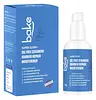 Key Ingredients
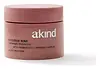
Benefits
Concerns
No concerns
Ingredients Side-by-side








Water
Skin ConditioningHeptyl Undecylenate
EmollientIsononyl Isononanoate
EmollientPeptide Complex

Sodium Acrylates Copolymer
Caprylic/Capric Triglyceride
Masking


Sodium Hyaluronate
Humectant


Niacinamide
Smoothing








Copper Tripeptide-1
Skin Conditioning
Ceramide Complex

Phenoxyethanol
Preservative
Lecithin
Emollient
Panthenol
Skin Conditioning
Tocopheryl Acetate
Antioxidant

Ethylhexylglycerin
Skin ConditioningAlpha-Glucan Oligosaccharide
Cleansing
Squalane
Emollient
Disodium EDTA
Water, Heptyl Undecylenate, Isononyl Isononanoate, Peptide Complex, Sodium Acrylates Copolymer, Caprylic/Capric Triglyceride, Sodium Hyaluronate, Niacinamide, Copper Tripeptide-1, Ceramide Complex, Phenoxyethanol, Lecithin, Panthenol, Tocopheryl Acetate, Ethylhexylglycerin, Alpha-Glucan Oligosaccharide, Squalane, Disodium EDTA


