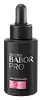
This calming serum is formulated around Panthenol to calm redness and strengthen the skin barrier.
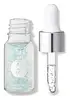
This barrier-repair serum is formulated around Ceramide EOP and Ceramide Ns to strengthen the skin barrier and hydrate skin.


What's inside
What's inside
 Key Ingredients
No key ingredients
Benefits
Concerns
No concerns
Ingredients Side-by-side


Water
Skin ConditioningButylene Glycol
Humectant

Glycerin
Humectant
Pentylene Glycol
Skin Conditioning
Ceramide EOP
Skin Conditioning



Ceramide Ns
Skin Conditioning
Ceramide NP
Skin Conditioning
Ceramide AP
Skin Conditioning
Alcaligenes Polysaccharides
EmollientAlgin
MaskingPhytosphingosine
Skin Conditioning
Cholesterol
Emollient
Xanthan Gum
EmulsifyingSodium Lauroyl Lactylate
EmulsifyingPolysorbate 80
Emulsifying

Carbomer
Emulsion StabilisingTitanium Dioxide
Cosmetic Colorant

Titanium/Titanium Dioxide
Cosmetic ColorantPhenoxyethanol
Preservative
Potassium Hydroxide
BufferingWater, Butylene Glycol, Glycerin, Pentylene Glycol, Ceramide EOP, Ceramide Ns, Ceramide NP, Ceramide AP, Alcaligenes Polysaccharides, Algin, Phytosphingosine, Cholesterol, Xanthan Gum, Sodium Lauroyl Lactylate, Polysorbate 80, Carbomer, Titanium Dioxide, Titanium/Titanium Dioxide, Phenoxyethanol, Potassium Hydroxide
Reviews
Ingredients Explained
These ingredients are found in both products.
Ingredients higher up in an ingredient list are typically present in a larger amount.
Butylene Glycol (or BG) is used within cosmetic products for a few different reasons:
Overall, Butylene Glycol is a safe and well-rounded ingredient that works well with other ingredients.
Though this ingredient works well with most skin types, some people with sensitive skin may experience a reaction such as allergic rashes, closed comedones, or itchiness.
Learn more about Butylene GlycolCarbomer is a synthetic thickening and gelling agent. It's basically the ingredient that gives a lot of serums, gels, creams, and sunscreens their smooth, non-sticky texture.
Although legally permitted at very high levels, carbomers are normally used at concentrations below 1%.
It also needs to be neutralized to actually thicken, and because it is a large molecule, it doesn't really penetrate the skin barrier.
Allergy-wise, the risk is very low. Clinical studies show carbomers have low potential for skin irritation/sensitization even at concentrations up to 100%.
A 2024 UK study patch-tested 1,302 patients and found true allergy to the parent group of carbomer to be rare with no confirmed relevant reactions.
Learn more about CarbomerPentylene Glycol (1,2-pentanediol) is a multitasking little diol with three main roles in a formula:
Research on alkanediols (the family pentylene glycol belongs to) show they work by disrupting microbial cell membranes. This disruption helps the primary preservative system in a product work more effectively at lower doses.
On the safety side, the Cosmetic Ingredient Review Expert Panel has concluded this ingredient to be safe as used in current cosmetic practices + concentrations.
Typical use levels in a formula run about 1-5%.
Learn more about Pentylene GlycolWater. It's the most common cosmetic ingredient of all. You'll usually see it at the top of ingredient lists, meaning that it makes up the largest part of the product.
So why is it so popular? Water most often acts as a solvent - this means that it helps dissolve other ingredients into the formulation.
You'll also recognize water as that liquid we all need to stay alive. If you see this, drink a glass of water. Remember to stay hydrated!
Learn more about WaterXanthan gum is used as a stabilizer and thickener within cosmetic products. It helps give products a sticky, thick feeling - preventing them from being too runny.
On the technical side of things, xanthan gum is a polysaccharide - a combination consisting of multiple sugar molecules bonded together.
Xanthan gum is a pretty common and great ingredient. It is a natural, non-toxic, non-irritating ingredient that is also commonly used in food products.
Learn more about Xanthan Gum

