

What's inside
What's inside
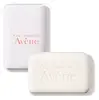 Key Ingredients
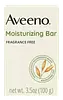
Benefits
Concerns
Ingredients Side-by-side
Disodium Laureth Sulfosuccinate
CleansingMaltodextrin
Absorbent
Sodium Cocoyl Isethionate
Cleansing
Stearic Acid
Cleansing

Water
Skin ConditioningCetearyl Alcohol
Emollient

Paraffin
Perfuming
Oenothera Biennis Oil
Emollient



Ceteareth-6
EmulsifyingAquaphilus Dolomiae Extract
Skin Conditioning
Arginine
Masking
Citric Acid
Buffering


Microcrystalline Wax
Emulsion StabilisingCI 77891
Cosmetic ColorantTocopherol
Antioxidant












Ingredients Explained
These ingredients are found in both products.
Ingredients higher up in an ingredient list are typically present in a larger amount.
Paraffin is a solid created from petroleum. The term 'paraffin' can also refer to either
petroleum jelly or mineral oil.
It has natural occlusive properties which can worsen oily skin. Due to its petrolatum base, this ingredient is not fungal-acne safe.
Sodium cocoyl isethionate is a natural ingredient from coconut oil. It is an ultra gentle cleanser that gives a nice foam without drying the skin or impacting the skin barrier.
The amount of foam created depends on the amount of sodium cocoyl isethionate used in the product.
This ingredient also helps improve the spreadability of a product.
This ingredient hasn’t been shown in studies to feed fungal acne yeast.
Learn more about Sodium Cocoyl IsethionateWater. It's the most common cosmetic ingredient of all. You'll usually see it at the top of ingredient lists, meaning that it makes up the largest part of the product.
So why is it so popular? Water most often acts as a solvent - this means that it helps dissolve other ingredients into the formulation.
You'll also recognize water as that liquid we all need to stay alive. If you see this, drink a glass of water. Remember to stay hydrated!
Learn more about Water
