

What's inside
What's inside
 Key Ingredients
Benefits
Concerns
Ingredients Side-by-side
Water
Skin ConditioningDimethicone
Emollient

Isododecane
EmollientButylene Glycol
Humectant

Alcohol Denat.
Antimicrobial




Acrylates/Polytrimethylsiloxymethacrylate Copolymer
Skin ConditioningCetyl PEG/PPG-10/1 Dimethicone
Emulsifying
Trimethyl Pentaphenyl Trisiloxane
Emollient
Disteardimonium Hectorite
StabilisingPolyglyceryl-4 Isostearate
Emulsifying
Magnesium Sulfate
Phenoxyethanol
Preservative
Synthetic Fluorphlogopite
Propylene Carbonate
SolventPEG/PPG-18/18 Dimethicone
Emulsifying
Lauroyl Lysine
Skin Conditioning
Disodium Stearoyl Glutamate
CleansingAluminum Hydroxide
EmollientPentaerythrityl Tetra-Di-T-Butyl Hydroxyhydrocinnamate
Antioxidant
Tocopherol
Antioxidant




Mica
Cosmetic ColorantCI 77891
Cosmetic ColorantCI 77491
Cosmetic ColorantCI 77492
Cosmetic ColorantCI 77499
Cosmetic ColorantCI 15850
Cosmetic ColorantCI 15985
Cosmetic ColorantFish Oil
Skin Conditioning
Ceramide AP
Skin Conditioning

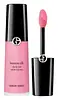
Water, Dimethicone, Isododecane, Butylene Glycol, Alcohol Denat., Acrylates/Polytrimethylsiloxymethacrylate Copolymer, Cetyl PEG/PPG-10/1 Dimethicone, Trimethyl Pentaphenyl Trisiloxane, Disteardimonium Hectorite, Polyglyceryl-4 Isostearate, Magnesium Sulfate, Phenoxyethanol, Synthetic Fluorphlogopite, Propylene Carbonate, PEG/PPG-18/18 Dimethicone, Lauroyl Lysine, Disodium Stearoyl Glutamate, Aluminum Hydroxide, Pentaerythrityl Tetra-Di-T-Butyl Hydroxyhydrocinnamate, Tocopherol, Mica, CI 77891, CI 77491, CI 77492, CI 77499, CI 15850, CI 15985, Fish Oil, Ceramide AP
Hdi/Trimethylol Hexyllactone Crosspolymer
Cetearyl Ethylhexanoate
Emollient
Dimethicone
Emollient
Dicalcium Phosphate
Abrasive
Squalane
Emollient
Glycerin
Humectant
Zinc Stearate
Cosmetic ColorantChondrus Crispus Extract
Skin Conditioning
Lauroyl Lysine
Skin Conditioning
Polysorbate 80
Emulsifying
Silica
Abrasive
Tin Oxide
Abrasive
1,2-Hexanediol
Skin Conditioning
Ethylhexylglycerin
Skin ConditioningCaprylyl Glycol
Emollient
Pentaerythrityl Tetra-Di-T-Butyl Hydroxyhydrocinnamate
Antioxidant
Mica
Cosmetic ColorantCI 77891
Cosmetic ColorantCI 77491
Cosmetic ColorantCI 77492
Cosmetic ColorantCI 77499
Cosmetic ColorantCI 77000
Cosmetic ColorantCI 77163
Cosmetic Colorant
CI 77400
Cosmetic ColorantCI 75470
Cosmetic ColorantCI 77289
Cosmetic ColorantCI 77288
Cosmetic ColorantCI 77510
Cosmetic ColorantCI 77742
Cosmetic ColorantCI 77007
Cosmetic ColorantCI 42090
Cosmetic ColorantCI 45370
Cosmetic ColorantCI 15850
Cosmetic ColorantCI 45380
Cosmetic ColorantCI 45410
Cosmetic ColorantCI 73360
Cosmetic ColorantCI 17200
Cosmetic ColorantCI 15880
Cosmetic ColorantCI 19140
Cosmetic ColorantCI 15985
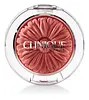
Cosmetic ColorantHdi/Trimethylol Hexyllactone Crosspolymer, Cetearyl Ethylhexanoate, Dimethicone, Dicalcium Phosphate, Squalane, Glycerin, Zinc Stearate, Chondrus Crispus Extract, Lauroyl Lysine, Polysorbate 80, Silica, Tin Oxide, 1,2-Hexanediol, Ethylhexylglycerin, Caprylyl Glycol, Pentaerythrityl Tetra-Di-T-Butyl Hydroxyhydrocinnamate, Mica, CI 77891, CI 77491, CI 77492, CI 77499, CI 77000, CI 77163, CI 77400, CI 75470, CI 77289, CI 77288, CI 77510, CI 77742, CI 77007, CI 42090, CI 45370, CI 15850, CI 45380, CI 45410, CI 73360, CI 17200, CI 15880, CI 19140, CI 15985
Reviews
Ingredients Explained
These ingredients are found in both products.
Ingredients higher up in an ingredient list are typically present in a larger amount.
Ci 15850 is the pigment color red. It is an azo dye and created synthetically.
Azo dyes need to be thoroughly purified before use. This allows them to be more stable and longer-lasting.
This ingredient is common in foundations, lipsticks, and blushes. This color is described as brown/orangey red.
It has many secondary names such as Red 6 and Red 7. According to a manufacturer, Red 6 usually contains aluminum.
Learn more about CI 15850Ci 15985 is a dye made from petroleum. It is synthetically created and approved by the FDA for use in foods and cosmetics.
The color of this dye is orange/yellow.
This ingredient can be found in makeup, sun care, and skincare.
Learn more about CI 15985Ci 77491 is also hydrated iron III oxide. It's sole purpose is to give a red/pink hue to products.
Iron III oxides are classified as inorganic chemicals for coloring.
Synthetically created Ci 77491 is considered safer than those naturally found. This is because the synthetically created version may contain less impurities. Iron oxides are generally non-toxic and non-allergenic.
Learn more about CI 77491CI 77492 is also hydrated iron III oxide. It's sole purpose is to give a yellow hue to products.
Iron III oxides are classified as inorganic chemicals for coloring.
Synthetically created CI 77492 is considered safer than those naturally found. This is because the synthetically created version may contain less impurities. Iron oxides are generally non-toxic and non-allergenic.
Learn more about CI 77492Ci 77499 is also hydrated iron III oxide. It is created from mixing red and black iron oxides. This helps give shades of darkness to a product.
Iron III oxides are classified as inorganic chemicals for coloring.
Ci 77891 is a white pigment from Titanium dioxide. It is naturally found in minerals such as rutile and ilmenite.
It's main function is to add a white color to cosmetics. It can also be mixed with other colors to create different shades.
Ci 77891 is commonly found in sunscreens due to its ability to block UV rays.
Learn more about CI 77891Dimethicone is a type of synthetic silicone created from natural materials such as quartz. It is also known as polydimethylsiloxane.
What it does:
Dimethicone comes in different viscosities:
Depending on the viscosity, dimethicone has different properties.
Ingredients lists don't always show which type is used, so we recommend reaching out to the brand if you have questions about the viscosity.
This ingredient is unlikely to cause irritation because it does not get absorbed into skin. However, people with silicone allergies should be careful about using this ingredient.
Note: Dimethicone may contribute to pilling. This is because it is not oil or water soluble, so pilling may occur when layered with products. When mixed with heavy oils in a formula, the outcome is also quite greasy.
Learn more about DimethiconeThis ingredient comes from a fatty acid (lauric acid) and amino acid (lysine). It is used to add a silky feel to cosmetics.
According to a manufacturer, its fatty acid base leaves a silky feeling on the skin. It also has emollient properties because of this. Emollients help soften skin by preventing water from evaporating.
Lauroyl lysine is barely soluble in water.
Learn more about Lauroyl LysineMica is a naturally occurring mineral used to add shimmer and color in cosmetics. It can also help improve the texture of a product or give it an opaque, white/silver color.
Serecite is the name for very fine but ragged grains of mica.
This ingredient is often coated with metal oxides like titanium dioxide. Trace amounts of heavy metals may be found in mica, but these metals are not harmful in our personal products.
Mica has been used since prehistoric times throughout the world. Ancient Egyptian, Indian, Greek, Roman, Aztec, and Chinese civilizations have used mica.
Learn more about MicaPentaerythrityl Tetra-Di-T-Butyl Hydroxyhydrocinnamate (long name, huh?) is a synthetic antioxidant.
It is used to help stabilize other antioxidants or prevent the color from changing in a product.
As an antioxidant, it helps fight free-radical molecules. Free-radical molecules are capable of damaging our cells and other genetic material. Thus, antioxidants may reduce the signs of aging.
This ingredient is oil-soluble.
Learn more about Pentaerythrityl Tetra-Di-T-Butyl Hydroxyhydrocinnamate

