
What's inside
What's inside
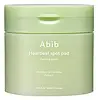 Key Ingredients
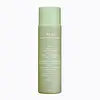
Benefits
Ingredients Side-by-side
Water
Skin ConditioningGlycerin
Humectant


Butylene Glycol
Humectant
1,2-Hexanediol
Skin Conditioning
Houttuynia Cordata Extract
Skin Conditioning

Althaea Rosea Flower Extract
Skin ConditioningSodium Hyaluronate
Humectant

Gaultheria Procumbens Leaf Extract
Perfuming
Hydroxyethyl Urea
Humectant
Allantoin
Skin Conditioning
Trehalose
Humectant
Polyglyceryl-10 Laurate
Skin Conditioning
Caprylyl Glycol
Emollient
Polyglyceryl-10 Myristate
Skin Conditioning
Ethylhexylglycerin
Skin ConditioningPentylene Glycol
Skin Conditioning
Acetyl Glucosamine
Skin Conditioning

Hydroxyacetophenone
Antioxidant
Sodium Hyaluronate Crosspolymer
Humectant
Tocopherol
Antioxidant
Biosaccharide Gum-4
Skin Conditioning
Caffeine
Skin Conditioning
Xanthan Gum
EmulsifyingDisodium EDTA
Water, Glycerin, Butylene Glycol, 1,2-Hexanediol, Houttuynia Cordata Extract, Althaea Rosea Flower Extract, Sodium Hyaluronate, Gaultheria Procumbens Leaf Extract, Hydroxyethyl Urea, Allantoin, Trehalose, Polyglyceryl-10 Laurate, Caprylyl Glycol, Polyglyceryl-10 Myristate, Ethylhexylglycerin, Pentylene Glycol, Acetyl Glucosamine, Hydroxyacetophenone, Sodium Hyaluronate Crosspolymer, Tocopherol, Biosaccharide Gum-4, Caffeine, Xanthan Gum, Disodium EDTA
Water
Skin ConditioningHouttuynia Cordata Extract
Skin Conditioning
Glycerin
Humectant
Butylene Glycol
Humectant
Pentylene Glycol
Skin Conditioning
Xylitol
Humectant
Bifida Ferment Lysate
Skin Conditioning
Sodium Hyaluronate
Humectant
Glycine Soja Seed Extract
Skin Conditioning
Centella Asiatica Extract
Cleansing
Hydrolyzed Hyaluronic Acid
Humectant
Scutellaria Baicalensis Root Extract
Astringent
Gaultheria Procumbens Leaf Extract
Perfuming
Lonicera Japonica Flower Extract
Skin ConditioningBetaine
Humectant
1,2-Hexanediol
Skin Conditioning
Panthenol
Skin Conditioning
Ethylhexylglycerin
Skin ConditioningOctanediol
Tocopherol
Antioxidant
Biosaccharide Gum-4
Skin Conditioning
Disodium EDTA
Xanthan Gum
EmulsifyingWater, Houttuynia Cordata Extract, Glycerin, Butylene Glycol, Pentylene Glycol, Xylitol, Bifida Ferment Lysate, Sodium Hyaluronate, Glycine Soja Seed Extract, Centella Asiatica Extract, Hydrolyzed Hyaluronic Acid, Scutellaria Baicalensis Root Extract, Gaultheria Procumbens Leaf Extract, Lonicera Japonica Flower Extract, Betaine, 1,2-Hexanediol, Panthenol, Ethylhexylglycerin, Octanediol, Tocopherol, Biosaccharide Gum-4, Disodium EDTA, Xanthan Gum
Reviews
Ingredients Explained
These ingredients are found in both products.
Ingredients higher up in an ingredient list are typically present in a larger amount.
1,2-Hexanediol is a synthetic liquid and another multi-functional powerhouse.
It is a:
- Humectant, drawing moisture into the skin
- Emollient, helping to soften skin
- Solvent, dispersing and stabilizing formulas
- Preservative booster, enhancing the antimicrobial activity of other preservatives
This is a fermented gum derived from sorbitol, a sugar alcohol.
According to a manufacturer, this ingredient's high molecular weight makes it an effective emollient.
Emollients help keep the skin hydrated by preventing water from evaporating.
Learn more about Biosaccharide Gum-4Butylene Glycol (or BG) is used within cosmetic products for a few different reasons:
Overall, Butylene Glycol is a safe and well-rounded ingredient that works well with other ingredients.
Though this ingredient works well with most skin types, some people with sensitive skin may experience a reaction such as allergic rashes, closed comedones, or itchiness.
Learn more about Butylene GlycolDisodium EDTA is a chelating agent. It grabs onto and deactivates metal ions that sneak into your products from water, packaging, or air.
This ingredient mainly works behind the scenes and helps with:
On top of that, this ingredient can counteract the effects of hard water by binding to the minerals in it.
One thing worth knowing is that Disodium EDTA has been shown to be a mild penetration enhancer. It can help other ingredients absorb into skin more effectively which can be a double-edged sword (great for actives, but can also make the active too strong if you have sensitive skin).
Clinical patch testing showed no significant skin irritation at typical use concentrations and minimal dermal absorption.
You'll most likely see this ingredient near the end of an ingredient list. It's typically found in concentrations less than 1%.
Learn more about Disodium EDTAEthylhexylglycerin is created from glycerin. It is a multitasker ingredient that:
The CIR Expert Panel found minimal skin absorption or sensitization of any kind in a safety assessment. Though this ingredient is considered well-tolerated, a small number of cases of allergic dermatitis have been published since 2002. Just be sure to patch test if you are unsure.
Industry-reported use ranges from 8% in rinse-off products and 2% in leave-on formulations.
Learn more about EthylhexylglycerinGaultheria Procumbens Leaf Extract is a fragrance.
Glycerin (or glycerol) is a compound naturally found in your skin. It's a powerhouse humectant that pulls water into the stratum corneum.
Topically, glycerin does several things at once:
Your skin makes glycerin on its own (mostly from sebaceous oil breakdown) and shuttles it to your outermost layer of skin, or your epidermis, via aquaporin-3.
Aquaporin-3 is a transporter that is essential for normal skin hydration, elasticity, and repair. Interestingly, mice lacking in AQP3 have dry and less elastic skin that can be fully corrected with glycerin.
This ingredient is non-irritating, plays well with almost every ingredient, and works across all skin types. Typical use is anywhere between 3-10% but can go up to 79% in some leave-on products.
Just know very high concentrations (>40%) can feel tacky in low humidity.
Glycerin is the name for this ingredient in American English. British English uses Glycerol/Glycerine.
Learn more about GlycerinHouttuynia Cordata Extract is more commonly known as Heart Leaf, Fish Mint, or Chameleon plant.
The components found in Heart Leaf give it antioxidant, hydrating, antimicrobial, and anti-inflammatory properties.
Heart Leaf is rich in flavonoids such as quercetin, apigenin, and more. It also contains polysaccharides, the most common type of carbs in food.
Flavonoids have been shown to be effective antioxidants. They help neutralize free-radical molecules. Free-radical molecules are unstable molecules that may damage our skin cells and DNA. The flavonoids in Heart Leaf also help soothe the skin.
Polysaccharides are naturally found in our skin. They play a role in hydrating and repairing the top layer of skin. The polysaccharides in Heart Leaf help moisturize our skin.
Studies show decanoyl acetaldehyde, a component of Heart Leaf oil, is effective at killing bacteria.
The name 'Fish Mint' comes from the herb's natural fishy smell. Is is native to southeast Asia and used throughout the continent for traditional cooking and medicine.
Learn more about Houttuynia Cordata ExtractPentylene glycol is typically used within a product to thicken it. It also adds a smooth, soft, and moisturizing feel to the product. It is naturally found in plants such as sugar beets.
The hydrophilic trait of Pentylene Glycol makes it a humectant. As a humectant, Pentylene Glycol helps draw moisture from the air to your skin. This can help keep your skin hydrated.
This property also makes Pentylene Glycol a great texture enhancer. It can also help thicken or stabilize a product.
Pentylene Glycol also acts as a mild preservative and helps to keep a product microbe-free.
Some people may experience mild eye and skin irritation from Pentylene Glycol. We always recommend speaking with a professional about using this ingredient in your routine.
Pentylene Glycol has a low molecular weight and is part of the 1,2-glycol family.
Learn more about Pentylene GlycolSodium Hyaluronate is the salt form of hyaluronic acid. It is a long sugar chain that is naturally found in your skin, joints, and connective tissue that maintains hydration and elasticity.
In skincare, it works as a humectant. It pulls water from the environment and deeper layers of skin and binds it to the surface.
Interestingly, the size of the molecule affects its behavior:
Some clinical evidence links low molecular weight versions to improved wrinkle depth, elasticity, anti-inflammatory effects, and barrier repair.
Many serums use a blend of both weights so you can get surface hydration plus longer-lasting and deeper effects.
You'll typically see concentrations between 0.1-2% for this ingredient.
Learn more about Sodium HyaluronateTocopherol is a fat-soluble antioxidant known as Vitamin E.
You'll find this ingredient in the vast majority of skincare (for good reason). It works to neutralize free radicals, or unstable molecules generated by UV exposure, pollution, and other environmental stressors, before they can cause oxidative damage to your skin cells.
Topically applied tocopherol has been shown to protect against UV damage by ramping up the skin's own natural defense enzymes.
It also acts as a skin conditioning agent; some studies show that regular topical use can improve the skin's water-binding capacity over 2-4 weeks.
This ingredient is especially loved for being a team player. When combined with Vitamin C, the photoprotective effect of both ingredients roughly doubles and the combo also helps reduce UV-induced DNA damage.
This ingredient has some brightening potential but it's more of a prevention ingredient than spot-fader. Cell studies show it can slow down melanin production but it's worth noting that it's not the most powerful brightener out there.
In formulations, it also serves as a stabilizer that helps protect other oxidation-prone ingredients from degrading.
Concentrations usually range from 0.1-1% in most leave-on products.
Learn more about TocopherolWater. It's the most common cosmetic ingredient of all. You'll usually see it at the top of ingredient lists, meaning that it makes up the largest part of the product.
So why is it so popular? Water most often acts as a solvent - this means that it helps dissolve other ingredients into the formulation.
You'll also recognize water as that liquid we all need to stay alive. If you see this, drink a glass of water. Remember to stay hydrated!
Learn more about WaterXanthan gum is used as a stabilizer and thickener within cosmetic products. It helps give products a sticky, thick feeling - preventing them from being too runny.
On the technical side of things, xanthan gum is a polysaccharide - a combination consisting of multiple sugar molecules bonded together.
Xanthan gum is a pretty common and great ingredient. It is a natural, non-toxic, non-irritating ingredient that is also commonly used in food products.
Learn more about Xanthan Gum
