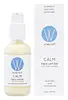
This moisturizer is formulated around Rubus Idaeus Seed Oil to hydrate skin.
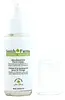
This moisturizer is formulated around Aloe Barbadensis Leaf Juice and Procollagen to hydrate skin.

What's inside
What's inside
 Key Ingredients
Benefits
Concerns
Ingredients Side-by-side
Water
Skin ConditioningChamomilla Recutita Flower Water
MaskingPrunus Armeniaca Kernel Oil
Masking





Lavandula Angustifolia Flower Water
Skin Conditioning
Cetearyl Alcohol
Emollient


Sodium Cetearyl Sulfate
Cleansing
Leuconostoc/Radish Root Ferment Filtrate
Antimicrobial
Sunflower Oil Decyl Esters
Skin Conditioning
Rubus Idaeus Seed Oil
Emollient
Bear Oil
Emollient
Citrus Grandis Seed Extract
Astringent
Tocopherol
Antioxidant






Rosmarinus Officinalis Leaf Extract
AntimicrobialBoswellia Carterii Oil
Masking
Lavandula Angustifolia Oil
Masking

Citrus Aurantium Bergamia Fruit Oil
Masking
Water, Chamomilla Recutita Flower Water, Prunus Armeniaca Kernel Oil, Lavandula Angustifolia Flower Water, Cetearyl Alcohol, Sodium Cetearyl Sulfate, Leuconostoc/Radish Root Ferment Filtrate, Sunflower Oil Decyl Esters, Rubus Idaeus Seed Oil, Bear Oil, Citrus Grandis Seed Extract, Tocopherol, Rosmarinus Officinalis Leaf Extract, Boswellia Carterii Oil, Lavandula Angustifolia Oil, Citrus Aurantium Bergamia Fruit Oil
Water
Skin ConditioningCitrus Aurantium Dulcis Oil
Masking
Aloe Barbadensis Leaf Juice
Skin Conditioning
Helianthus Annuus Seed Oil
Emollient
Procollagen
Skin Conditioning
Oryza Sativa Bran Oil
Emollient
Butyrospermum Parkii Butter
Skin Conditioning
Glycerin
Humectant
Simmondsia Chinensis Seed Oil
Emollient
Persea Gratissima Oil
Skin Conditioning
Tocopherol
Antioxidant
Citrus Depressa Peel Extract
HumectantAlthaea Officinalis Root Extract
Skin Conditioning
Citrus Aurantium Bergamia Fruit Oil
Masking
Water, Citrus Aurantium Dulcis Oil, Aloe Barbadensis Leaf Juice, Helianthus Annuus Seed Oil, Procollagen, Oryza Sativa Bran Oil, Butyrospermum Parkii Butter, Glycerin, Simmondsia Chinensis Seed Oil, Persea Gratissima Oil, Tocopherol, Citrus Depressa Peel Extract, Althaea Officinalis Root Extract, Citrus Aurantium Bergamia Fruit Oil
Ingredients Explained
These ingredients are found in both products.
Ingredients higher up in an ingredient list are typically present in a larger amount.
Citrus Aurantium Bergamia Fruit Oil is the oil from the bergamot orange and is primarily used as a fragrance. It has a "fresh" and "bright orange" scent.
The main aroma compounds found in this ingredient are limonene (~27-52%), linalool (~2-22%), and linalyl acetate (~27-40%). These are known EU fragrance allergens.
The term 'fragrance' is not regulated in many countries. In many cases, it is up to the brand to define this term. For instance, many brands choose to label themselves as "fragrance-free" because they are not using synthetic fragrances. However, their products may still contain ingredients such as essential oils that are considered a fragrance.
When used topically, Citrus Aurantium Bergamia Fruit Oil is a photosensitizer due to the furanocoumarin content. Furanocoumarins absorb UV-A and cause phytophotodermatitis; this can look like redness, blistering, and lasting brown pigmentation on sun-exposed skin.
Due to this, this ingredient is capped at 0.4% in leave-on products applied to sun exposed skin.
Many modern formulas used a "furanocoumarin-free" version that sidesteps the phototoxicity issue, but still contains the fragrance allergens.
Learn more about Citrus Aurantium Bergamia Fruit OilTocopherol is a fat-soluble antioxidant known as Vitamin E.
You'll find this ingredient in the vast majority of skincare (for good reason). It works to neutralize free radicals, or unstable molecules generated by UV exposure, pollution, and other environmental stressors, before they can cause oxidative damage to your skin cells.
Topically applied tocopherol has been shown to protect against UV damage by ramping up the skin's own natural defense enzymes.
It also acts as a skin conditioning agent; some studies show that regular topical use can improve the skin's water-binding capacity over 2-4 weeks.
This ingredient is especially loved for being a team player. When combined with Vitamin C, the photoprotective effect of both ingredients roughly doubles and the combo also helps reduce UV-induced DNA damage.
This ingredient has some brightening potential but it's more of a prevention ingredient than spot-fader. Cell studies show it can slow down melanin production but it's worth noting that it's not the most powerful brightener out there.
In formulations, it also serves as a stabilizer that helps protect other oxidation-prone ingredients from degrading.
Concentrations usually range from 0.1-1% in most leave-on products.
Learn more about TocopherolWater. It's the most common cosmetic ingredient of all. You'll usually see it at the top of ingredient lists, meaning that it makes up the largest part of the product.
So why is it so popular? Water most often acts as a solvent - this means that it helps dissolve other ingredients into the formulation.
You'll also recognize water as that liquid we all need to stay alive. If you see this, drink a glass of water. Remember to stay hydrated!
Learn more about Water

