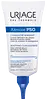
This barrier-repair treatment is formulated around Butyrospermum Parkii Butter to strengthen the skin barrier.
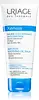
This barrier-repair moisturizer is formulated around Butyrospermum Parkii Butter and Asiaticoside to strengthen the skin barrier and hydrate skin.

What's inside
What's inside
 Key Ingredients
Benefits
Concerns
Ingredients Side-by-side
Water
Skin ConditioningOctyldodecanol
Emollient
Butyrospermum Parkii Butter
Skin Conditioning






Polyglyceryl-2 Dipolyhydroxystearate
Skin Conditioning
Dicaprylyl Carbonate
EmollientDicaprylyl Ether
Emollient
Glycerin
Humectant
Jojoba Esters
Emollient
Helianthus Annuus Seed Cera
Emollient
1,2-Hexanediol
Skin Conditioning
Sodium Polyacrylate
Absorbent
Behenyl Alcohol
Emollient
Brassica Campestris Sterols
EmollientGlycine
Buffering
Hydroxyacetophenone
Antioxidant
Sodium Stearoyl Glutamate
CleansingTocopheryl Acetate
Antioxidant

Xanthan Gum
EmulsifyingAcacia Decurrens Flower Cera
Emollient
Polyglycerin-3
Humectant
Safflower Oil/Palm Oil Aminopropanediol Esters
Skin Conditioning
Glucosyl Hesperidin
HumectantTocopherol
Antioxidant


Sodium Hydroxide
BufferingWater, Octyldodecanol, Butyrospermum Parkii Butter, Polyglyceryl-2 Dipolyhydroxystearate, Dicaprylyl Carbonate, Dicaprylyl Ether, Glycerin, Jojoba Esters, Helianthus Annuus Seed Cera, 1,2-Hexanediol, Sodium Polyacrylate, Behenyl Alcohol, Brassica Campestris Sterols, Glycine, Hydroxyacetophenone, Sodium Stearoyl Glutamate, Tocopheryl Acetate, Xanthan Gum, Acacia Decurrens Flower Cera, Polyglycerin-3, Safflower Oil/Palm Oil Aminopropanediol Esters, Glucosyl Hesperidin, Tocopherol, Sodium Hydroxide
Water
Skin ConditioningC13-15 Alkane
SolventHydrogenated Polydecene
EmollientButyrospermum Parkii Butter
Skin Conditioning
Cetearyl Ethylhexanoate
Emollient
Isononyl Isononanoate
EmollientBeheneth-25
CleansingButylene Glycol
Humectant
Glycerin
Humectant
1,2-Hexanediol
Skin Conditioning
Shorea Stenoptera Seed Butter
Emollient
Brassica Campestris Sterols
EmollientChlorphenesin
Antimicrobial
Xanthan Gum
EmulsifyingAcrylates/C10-30 Alkyl Acrylate Crosspolymer
Emulsion StabilisingSodium Polyacrylate
Absorbent
O-Cymen-5-Ol
Antimicrobial
Tocopheryl Acetate
Antioxidant
Raspberry Seed Oil/Palm Oil Aminopropanediol Esters
Skin Conditioning
Sodium Hydroxide
BufferingAsiaticoside
Antioxidant

Phytosphingosine
Skin Conditioning
Borage Seed Oil Aminopropanediol Amides
Skin Conditioning
Citric Acid
Buffering
Water, C13-15 Alkane, Hydrogenated Polydecene, Butyrospermum Parkii Butter, Cetearyl Ethylhexanoate, Isononyl Isononanoate, Beheneth-25, Butylene Glycol, Glycerin, 1,2-Hexanediol, Shorea Stenoptera Seed Butter, Brassica Campestris Sterols, Chlorphenesin, Xanthan Gum, Acrylates/C10-30 Alkyl Acrylate Crosspolymer, Sodium Polyacrylate, O-Cymen-5-Ol, Tocopheryl Acetate, Raspberry Seed Oil/Palm Oil Aminopropanediol Esters, Sodium Hydroxide, Asiaticoside, Phytosphingosine, Borage Seed Oil Aminopropanediol Amides, Citric Acid
Ingredients Explained
These ingredients are found in both products.
Ingredients higher up in an ingredient list are typically present in a larger amount.
1,2-Hexanediol is a synthetic liquid and another multi-functional powerhouse.
It is a:
- Humectant, drawing moisture into the skin
- Emollient, helping to soften skin
- Solvent, dispersing and stabilizing formulas
- Preservative booster, enhancing the antimicrobial activity of other preservatives
This ingredient is the sterol fraction pulled out of rapeseed (or field mustard) oil. It's the waxy, cholesterol-like part of the oil.
That cholesterol-like part matters because the molecules are structurally close cousins of the cholesterol your own skin makes.
Cholesterol is one of the three lipids (along with ceramides and fatty acids) that hold your skin barrier together. So the plant sterols (like this one) do the same job: they integrate into the barrier and mimic the skin's natural lipids, which helps it hold onto water.
There's some decent evidence too:
A tape stripping study found skin treated with a phyosterol formulation recovered barrier function noticeably faster than skin treated with the vehicle alone.
Phytosterols also show anti-inflammatory activity which is why they appear often in soothing and anti-aging creams.
Usage concentrations vary according to industry survey data; leave-on products go up to 7% and rinse-off products up to 0.13%.
Actual face products usually use lower amounts (0.1-2%), partly because sterols are waxy and don't dissolve easily.
A human repeat insult patch test of 100% pure sterols in 50 subjects produced no irritation/sensitization, and guinea pig maximization testing was also negative. The CIR Expert Panel has also concluded the phytosterol ingredient group is safe at current use concentrations.
Fungal acne note: Sterols are not fatty acids and the yeast makes its own sterols anyway, so this ingredient doesn't feed it (it is fungal acne safe).
Learn more about Brassica Campestris SterolsThis ingredient is also known as shea butter. It is a plant-derived extract from the nuts of the Africa shea tree and one of the most well-studied emollients.
Because it has a high concentration of fatty acids (primarily oleic, stearic, and linoleic) it is able to form a protective barrier on the skin's surface. This helps seal in moisture and prevents transepidermal water loss (TEWL).
In vitro research found an increase in skin hydration by 58% and a decrease in TEWL by 37.8% after 24 hours of applying this ingredient (pretty impressive for a single ingredient!).
Besides hydration, shea butter also contains triterpenes that have anti-inflammatory potential. In particule, lupeol cinnamate has shown the highest anti-inflammatory activity in vivo.
Shea butter also contains vitamins A and E which may contribute to antioxidant activity.
While Shea Butter has an SPF rating of about 3-4, it is not a sunscreen replacement.
This ingredient may not be fungal acne safe because its fatty acids fall within the C11-C24 range that the Malassezia yeast can metabolize.
This ingredient shows up on a lot of "pore-clogging" lists but there's no real evidence behind that. It doesn't even have a comedogenic rating from an actual study; the numbers you'll find online come from blogs citing other blogs.
Ratings for other ingredients mostly come from a 1980s rabbit ear test. This test doesn't translate well to human skin or to real products because the ingredient sits at a much lower percentage.
Some people still find it breaks them out. So if that's you, definitely trust your skin. Just know this one's based on experience and not evidence.
Learn more about Butyrospermum Parkii ButterGlycerin (or glycerol) is a compound naturally found in your skin. It's a powerhouse humectant that pulls water into the stratum corneum.
Topically, glycerin does several things at once:
Your skin makes glycerin on its own (mostly from sebaceous oil breakdown) and shuttles it to your outermost layer of skin, or your epidermis, via aquaporin-3.
Aquaporin-3 is a transporter that is essential for normal skin hydration, elasticity, and repair. Interestingly, mice lacking in AQP3 have dry and less elastic skin that can be fully corrected with glycerin.
This ingredient is non-irritating, plays well with almost every ingredient, and works across all skin types. Typical use is anywhere between 3-10% but can go up to 79% in some leave-on products.
Just know very high concentrations (>40%) can feel tacky in low humidity.
Glycerin is the name for this ingredient in American English. British English uses Glycerol/Glycerine.
Learn more about GlycerinSodium Hydroxide is also known as lye or caustic soda. It is used to adjust the pH of products; many ingredients require a specific pH to be effective.
In small amounts, sodium hydroxide is considered safe to use. However, large amounts may cause chemical burns due to its high alkaline.
Your skin has a natural pH and acid mantle. This acid mantle helps prevent harmful bacteria from breaking through. The acid mantle also helps keep your skin hydrated.
"Alkaline" refers to a high pH level. A low pH level would be considered acidic.
Learn more about Sodium HydroxideSodium Polyacrylate is the sodium salt of polyacrylic acid. It is used as an absorber, emollient, and stabilizer.
This ingredient is a super-absorbent polymer - meaning it can absorb 100 to 1000 times its mass in water. As an emollient, Sodium Polyacrylate helps soften and soothe skin. Emollients work by creating a barrier to trap moisture in. This helps keep your skin hydrated.
Tocopheryl Acetate is a stable, shelf-friendly form of vitamin E.
Formulators love it because plain vitamin E oxidizes quickly once it hits air. This acetate version stays stable and resists going off, helping to extend a product's shelf life.
It's actually inactive on its own and works like a slow-release "storage" form; the enzymes in your skin called esterases gradually convert it into active vitamin E over time.
One in vivo study showed 5% of the acetate in the living layer of the epidermis converted to vitamin E after 5 days of application. This study also found the skin gained protection against UV damage even though the conversion was slow and small.
Once converted, vitamin E acts as a skin's main fat-soluble antioxidant that fights free radicals to protect skin from damage.
Topical vitamin E generally boosts the skin's photoprotection, and it reduced UV-damage in animal models.
This ingredient has some brightening potential but it's more of a prevention ingredient than spot-fader. Cell studies show it can slow down melanin production but it's worth noting that it's not the most powerful brightener out there.
Overall, it has a pretty solid safety profile and has been found to be non-irritating and non-comedogenic. Allergic reactions may happen but stay rare due to how widely the ingredient gets used.
The concentration will vary depending on the formula; industry data shows 0.1% in baby lotions, 3% in lipsticks, and 5% in foot powders. You can also find this ingredient at 100% in a pure vitamin E oil.
Most leave-on skincare keeps it at the lower end, often between 0.5-1%.
Learn more about Tocopheryl AcetateWater. It's the most common cosmetic ingredient of all. You'll usually see it at the top of ingredient lists, meaning that it makes up the largest part of the product.
So why is it so popular? Water most often acts as a solvent - this means that it helps dissolve other ingredients into the formulation.
You'll also recognize water as that liquid we all need to stay alive. If you see this, drink a glass of water. Remember to stay hydrated!
Learn more about WaterXanthan gum is used as a stabilizer and thickener within cosmetic products. It helps give products a sticky, thick feeling - preventing them from being too runny.
On the technical side of things, xanthan gum is a polysaccharide - a combination consisting of multiple sugar molecules bonded together.
Xanthan gum is a pretty common and great ingredient. It is a natural, non-toxic, non-irritating ingredient that is also commonly used in food products.
Learn more about Xanthan Gum

