
What's inside
What's inside
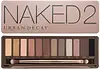 Key Ingredients
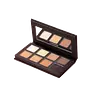
Benefits
Concerns
Ingredients Side-by-side
Talc
Abrasive
Caprylic/Capric Triglyceride
Masking


Zinc Stearate
Cosmetic ColorantEthylene/Acrylic Acid Copolymer
Emulsion StabilisingSodium Dehydroacetate
Preservative
Phenoxyethanol
Preservative
Sorbic Acid
Preservative
Polyethylene Terephthalate
Acrylates Copolymer
Tin Oxide
Abrasive
Calcium Sodium Borosilicate
Boron Nitride
Absorbent
Ptfe
Mica
Cosmetic ColorantCI 77891
Cosmetic ColorantCI 77491
Cosmetic ColorantCI 77000
Cosmetic ColorantCI 75470
Cosmetic ColorantCI 77510
Cosmetic ColorantCI 77742
Cosmetic ColorantCI 77163
Cosmetic Colorant

Talc, Caprylic/Capric Triglyceride, Zinc Stearate, Ethylene/Acrylic Acid Copolymer, Sodium Dehydroacetate, Phenoxyethanol, Sorbic Acid, Polyethylene Terephthalate, Acrylates Copolymer, Tin Oxide, Calcium Sodium Borosilicate, Boron Nitride, Ptfe, Mica, CI 77891, CI 77491, CI 77000, CI 75470, CI 77510, CI 77742, CI 77163
Mica
Cosmetic ColorantPolypropylene
Acrylates Crosspolymer
AbsorbentAttalea Speciosa Mesocarp Extract
Skin ConditioningOlea Europaea Fruit Oil
Masking



Coco-Caprylate/Caprate
Emollient
Dimer Dilinoleyl Dimer Dilinoleate
EmollientLauryl Laurate
Skin Conditioning
Magnesium Stearate
Cosmetic ColorantLauroyl Lysine
Skin Conditioning
Silica
Abrasive
P-Anisic Acid
MaskingPassiflora Edulis Fruit
Skin ConditioningSimmondsia Chinensis Seed Oil
Emollient
Calendula Officinalis Flower
Skin Conditioning

Tocopherol
Antioxidant




Glyceryl Caprylate
EmollientIron Oxides
CI 77891
Cosmetic ColorantCI 19140
Cosmetic ColorantCoconut Alkanes
Emollient
Synthetic Fluorphlogopite
Calcium Sodium Borosilicate
Titanium Dioxide
Cosmetic Colorant

CI 77491
Cosmetic ColorantCI 75470
Cosmetic ColorantTin Oxide
Abrasive
Zea Mays Starch
Absorbent
Stearoyl Glutamic Acid
CleansingCI 42090
Cosmetic ColorantCI 77400
Cosmetic ColorantCaprylic/Capric Triglyceride
Masking
Persea Gratissima Oil
Skin Conditioning
Mica, Polypropylene, Acrylates Crosspolymer, Attalea Speciosa Mesocarp Extract, Olea Europaea Fruit Oil, Coco-Caprylate/Caprate, Dimer Dilinoleyl Dimer Dilinoleate, Lauryl Laurate, Magnesium Stearate, Lauroyl Lysine, Silica, P-Anisic Acid, Passiflora Edulis Fruit, Simmondsia Chinensis Seed Oil, Calendula Officinalis Flower, Tocopherol, Glyceryl Caprylate, Iron Oxides, CI 77891, CI 19140, Coconut Alkanes, Synthetic Fluorphlogopite, Calcium Sodium Borosilicate, Titanium Dioxide, CI 77491, CI 75470, Tin Oxide, Zea Mays Starch, Stearoyl Glutamic Acid, CI 42090, CI 77400, Caprylic/Capric Triglyceride, Persea Gratissima Oil
Ingredients Explained
These ingredients are found in both products.
Ingredients higher up in an ingredient list are typically present in a larger amount.
Calcium Sodium Borosilicate is a bulking agent. It is considered a borosilicate glass; it is composed of powder or flakes of calcium and sodium borosilicates.
This ingredient is used to add volume, shine, and color to products. You'll most likely find this ingredient in makeup products.
According to in-vivo and ex-vivo studies done by a manufacturer, this ingredient works well with UV filters:
Learn more about Calcium Sodium BorosilicateCaprylic/Capric Triglyceride (aka MCT Oil) is a lightweight emollient, solvent, and texture enhancer. It is considered a skin-softener by helping to prevent moisture loss.
Though it behaves like an oil, it is not technically one due to its chemical composition. One perk of this ingredient is that it is very stable, resistant to oxidation, and unlikely to go rancid.
In practice, that translates to a long shelf life and a consistently elegant skin feel.
While there is an assumption Caprylic Triglyceride can clog pores due to it being derived from coconut oil, there is no research supporting this. Just patch test if you have concerns.
Fractionated coconut oil and MCT Oil are both listed as Caprylic/Capric Triglyceride according to INCI. This is because INCI names are based on the ingredient’s final chemical composition and not its marketing name or source.
This ingredient is treated as the gold standard fungal acne safe oil. Even though it is coconut derived, the problematic lauric acid is stripped out.
This leaves just caprylic (C8) and capric (C10) acid. These chain lengths actually trend antifungal; a 2020 study found caprylic acid was enough to disrupt Malassezia furfur cell membrane, with a caprylic acid derivative damaging membrane structures at concentrations as low as 0.2%.
Learn more about Caprylic/Capric TriglycerideCi 75470 is a bright-red pigment. It is AKA carmine.
Carmine is derived from insects such as the cochineal beetle. This ingredient has been used as a natural dye for over 2000 years.
Ci 77491 is also hydrated iron III oxide. It's sole purpose is to give a red/pink hue to products.
Iron III oxides are classified as inorganic chemicals for coloring.
Synthetically created Ci 77491 is considered safer than those naturally found. This is because the synthetically created version may contain less impurities. Iron oxides are generally non-toxic and non-allergenic.
Learn more about CI 77491Ci 77891 is a white pigment from Titanium dioxide. It is naturally found in minerals such as rutile and ilmenite.
It's main function is to add a white color to cosmetics. It can also be mixed with other colors to create different shades.
Ci 77891 is commonly found in sunscreens due to its ability to block UV rays.
Learn more about CI 77891Mica is a naturally occurring mineral used to add shimmer and color in cosmetics. It can also help improve the texture of a product or give it an opaque, white/silver color.
Serecite is the name for very fine but ragged grains of mica.
This ingredient is often coated with metal oxides like titanium dioxide. Trace amounts of heavy metals may be found in mica, but these metals are not harmful in our personal products.
Mica has been used since prehistoric times throughout the world. Ancient Egyptian, Indian, Greek, Roman, Aztec, and Chinese civilizations have used mica.
Learn more about MicaTin Oxide is an inorganic oxide used to add opacity and volume to a product. In nature, it is already found in mineral form. The main ore of tin is an opaque and shiny mineral called casseterite.
Tin Oxide helps remove translucency in a product, or make it more opaque. Besides adding opacity, tin oxide is used for bulking to add volume.


