Ultra Violette Dusk Sheen Screen SPF 50 Hydrating Lip Balm Versus RMS Beauty Hydrating Tinted Daily Lip Balm
This barrier-repair lip moisturizer is formulated around Butyrospermum Parkii Butter and Helianthus Annuus Seed Oil to strengthen the lip barrier and hydrate lips.
This barrier-repair lip moisturizer is formulated around Cocos Nucifera Oil and Simmondsia Chinensis Seed Oil to strengthen the lip barrier and hydrate lips.


What's inside
What's inside
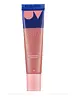 Key Ingredients
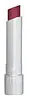
Benefits
Concerns
Ingredients Side-by-side
Lanolin
Emollient




Theobroma Cacao Seed Butter
Emollient
Ethylhexyl Methoxycinnamate
UV Absorber

Octocrylene
UV Absorber
Beeswax
Emulsion Stabilising
Butyl Methoxydibenzoylmethane
UV Absorber
Butyrospermum Parkii Butter
Skin Conditioning

Helianthus Annuus Seed Oil
Emollient
Olea Europaea Fruit Oil
Masking
Ricinus Communis Seed Oil
Masking
Aroma

Tocopherol
Antioxidant





CI 19140
Cosmetic ColorantCI 15850
Cosmetic ColorantCI 77891
Cosmetic ColorantCI 77491
Cosmetic ColorantCI 17200
Cosmetic ColorantCI 45410
Cosmetic ColorantCI 77492
Cosmetic ColorantCI 77499
Cosmetic ColorantCI 42090
Cosmetic ColorantLanolin, Theobroma Cacao Seed Butter, Ethylhexyl Methoxycinnamate, Octocrylene, Beeswax, Butyl Methoxydibenzoylmethane, Butyrospermum Parkii Butter, Helianthus Annuus Seed Oil, Olea Europaea Fruit Oil, Ricinus Communis Seed Oil, Aroma, Tocopherol, CI 19140, CI 15850, CI 77891, CI 77491, CI 17200, CI 45410, CI 77492, CI 77499, CI 42090
Caprylic/Capric Triglyceride
Masking
Cera Alba
Emollient
Octyldodecanol
Emollient
Cocos Nucifera Oil
Masking
Euphorbia Cerifera Cera
Astringent
Theobroma Cacao Seed Butter
Emollient
Copernicia Cerifera Cera
Emollient
Pentylene Glycol
Skin Conditioning
Simmondsia Chinensis Seed Oil
Emollient
Ricinus Communis Seed Oil
Masking
Propanediol
Solvent
Tocopherol
Antioxidant
CI 77891
Cosmetic ColorantCI 77491
Cosmetic ColorantCI 77492
Cosmetic ColorantCI 15850
Cosmetic ColorantCI 45410
Cosmetic ColorantCaprylic/Capric Triglyceride, Cera Alba, Octyldodecanol, Cocos Nucifera Oil, Euphorbia Cerifera Cera, Theobroma Cacao Seed Butter, Copernicia Cerifera Cera, Pentylene Glycol, Simmondsia Chinensis Seed Oil, Ricinus Communis Seed Oil, Propanediol, Tocopherol, CI 77891, CI 77491, CI 77492, CI 15850, CI 45410
Reviews
Ingredients Explained
These ingredients are found in both products.
Ingredients higher up in an ingredient list are typically present in a larger amount.
Ci 15850 is the pigment color red. It is an azo dye and created synthetically.
Azo dyes need to be thoroughly purified before use. This allows them to be more stable and longer-lasting.
This ingredient is common in foundations, lipsticks, and blushes. This color is described as brown/orangey red.
It has many secondary names such as Red 6 and Red 7. According to a manufacturer, Red 6 usually contains aluminum.
Learn more about CI 15850CI 45410 is a synthetic red-pigment and dye.
It often goes by both Red 28 or Red 27; manufacturers label both ingredients as CI 45410.
This dye is commonly found in makeup because it imparts a vivid color. Some types of this dye change color based on pH level and interaction with moisture:
Your skin has a natural pH of around 4.5 - 5.5.
According to the FDA, CI 45410 is not permitted for use in eye products.
Red 27 is a flourescein dye and commonly used as a fluorescent tracer in medicine.
Learn more about CI 45410Ci 77491 is also hydrated iron III oxide. It's sole purpose is to give a red/pink hue to products.
Iron III oxides are classified as inorganic chemicals for coloring.
Synthetically created Ci 77491 is considered safer than those naturally found. This is because the synthetically created version may contain less impurities. Iron oxides are generally non-toxic and non-allergenic.
Learn more about CI 77491CI 77492 is also hydrated iron III oxide. It's sole purpose is to give a yellow hue to products.
Iron III oxides are classified as inorganic chemicals for coloring.
Synthetically created CI 77492 is considered safer than those naturally found. This is because the synthetically created version may contain less impurities. Iron oxides are generally non-toxic and non-allergenic.
Learn more about CI 77492Ci 77891 is a white pigment from Titanium dioxide. It is naturally found in minerals such as rutile and ilmenite.
It's main function is to add a white color to cosmetics. It can also be mixed with other colors to create different shades.
Ci 77891 is commonly found in sunscreens due to its ability to block UV rays.
Learn more about CI 77891This ingredient is also known as castor oil. It is a skin conditioning ingredient.
The star component of castor oil is ricinoleic acid, an unusual fatty acid that makes up ~80-92% of its composition.
In skincare, it is an emollient that dries down to a solid film with water-binding properties. This helps keep skin hydrated and helps reduce transepidermal water loss (TEWL).
A 2026 dermatology review pulls together its broader uses:
Human clinical testing found this ingredient to be non-irritating and non-sensitizing.
Because castor oil contains fatty acids in the C11-24 range, this ingredient may not be fungal acne safe.
At this time, the literature does not support castor oil in regrowing hair. A 2022 systematic review found no strong evidence that it supports hair growth and only weak evidence that it improves hair shine.
Castor oil itself carries "perfuming" and "masking" function tags according to the official CosIng database. This is because of its mild odor and odor-dampening properties.
Learn more about Ricinus Communis Seed OilThis ingredient is also known as Cocoa butter; it's the fat pressed out of roasted cocoa beans.
Cocoa butter is solid at room temperature and melts right around body temperature, which is why it feels waxy in the jar and slippery on skin.
It has a very saturated profile (stearic acid ~34 to 36%, oleic acid ~30 to 40%, and palmitic acid ~24 to 29%) that makes it a strong occlusive: it sits on top and slows water escaping from skin.
Concentration data shows that it can show up anywhere from a few percent in lotions up to 100% in balms, and the FDA lists cocoa butter as an OTC skin protectant active at 50-100%.
The CIR has reviewed it and concluded it to be safe as used in cosmetics.
This is one of the ingredients with a comedogenic score of 4/5 from the rabbit ear test. Just know that a later human study did find that finished products containing high-comedogenic ingredients like cocoa butter did not increase microcomedone formation.
The fair call here is that this ingredient is most likely fine on body or low-percentage formulas, but can potentially be riskier as a heavy leave-on facial product if you break out easily.
Cocoa butter may not be fungal acne safe; it is a triglyceride of C16-18 fatty acids that the Malassezia yeast can metabolize.
Allergies to cocoa butter are rare and uncommon, but a few cases have been documented (mostly in cases where the person ate chocolate). So if you have a tree nut allergy, be sure to patch test or avoid.
Learn more about Theobroma Cacao Seed ButterTocopherol is a fat-soluble antioxidant known as Vitamin E.
You'll find this ingredient in the vast majority of skincare (for good reason). It works to neutralize free radicals, or unstable molecules generated by UV exposure, pollution, and other environmental stressors, before they can cause oxidative damage to your skin cells.
Topically applied tocopherol has been shown to protect against UV damage by ramping up the skin's own natural defense enzymes.
It also acts as a skin conditioning agent; some studies show that regular topical use can improve the skin's water-binding capacity over 2-4 weeks.
This ingredient is especially loved for being a team player. When combined with Vitamin C, the photoprotective effect of both ingredients roughly doubles and the combo also helps reduce UV-induced DNA damage.
This ingredient has some brightening potential but it's more of a prevention ingredient than spot-fader. Cell studies show it can slow down melanin production but it's worth noting that it's not the most powerful brightener out there.
In formulations, it also serves as a stabilizer that helps protect other oxidation-prone ingredients from degrading.
Concentrations usually range from 0.1-1% in most leave-on products.
Learn more about Tocopherol

