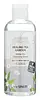
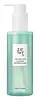
The Saem Healing Tea Garden White Tea Cleansing Water Versus Beauty of Joseon Green Plum Refreshing Cleanser
This glycolic acid micellar makeup remover is made to dissolve makeup, sunscreen, and daily buildup.
This mild gel cleanser is made to cleanse while calming and soothing your skin.

What's inside
What's inside
 Key Ingredients
Benefits
Concerns
Ingredients Side-by-side
Water
Skin ConditioningDipropylene Glycol
HumectantPEG-6 Caprylic/Capric Glycerides
EmulsifyingCamellia Sinensis Leaf Extract
Antimicrobial







Malpighia Emarginata Fruit Extract
Skin ConditioningActinidia Chinensis Fruit Extract
EmollientVaccinium Angustifolium Fruit Extract
Skin Protecting
Rubus Idaeus Fruit Extract
AstringentVaccinium Macrocarpon Fruit Extract
AstringentVaccinium Vitis-Idaea Fruit Extract
Antioxidant
Pyrus Malus Fruit Extract
Skin Conditioning
Citrus Limon Fruit Extract
Masking
Citrus Aurantifolia Fruit Extract
Skin ConditioningCitric Acid
Buffering

Glycolic Acid
Buffering




Lactic Acid
Buffering
Butylene Glycol
Humectant
Sodium Citrate
Buffering1,2-Hexanediol
Skin Conditioning
Caprylyl Glycol
Emollient
Disodium EDTA
ChelatingPhenoxyethanol
Preservative
Parfum
Masking

Water, Dipropylene Glycol, PEG-6 Caprylic/Capric Glycerides, Camellia Sinensis Leaf Extract, Malpighia Emarginata Fruit Extract, Actinidia Chinensis Fruit Extract, Vaccinium Angustifolium Fruit Extract, Rubus Idaeus Fruit Extract, Vaccinium Macrocarpon Fruit Extract, Vaccinium Vitis-Idaea Fruit Extract, Pyrus Malus Fruit Extract, Citrus Limon Fruit Extract, Citrus Aurantifolia Fruit Extract, Citric Acid, Glycolic Acid, Lactic Acid, Butylene Glycol, Sodium Citrate, 1,2-Hexanediol, Caprylyl Glycol, Disodium EDTA, Phenoxyethanol, Parfum
Water
Skin ConditioningPrunus Mume Fruit Water
HumectantCocamidopropyl Hydroxysultaine
Cleansing
Phaseolus Radiatus Seed Extract
Skin ConditioningSodium Cocoyl Isethionate
Cleansing
Glycerin
Humectant
Sodium Chloride
MaskingCamellia Sinensis Leaf Extract
Antimicrobial
Houttuynia Cordata Extract
Skin Conditioning
Nelumbo Nucifera Flower Extract
Skin ConditioningOryza Sativa Extract
Absorbent
Prunus Mume Fruit Extract
Humectant
Vaccinium Angustifolium Fruit Extract
Skin Protecting
Guar Hydroxypropyltrimonium Chloride
Skin ConditioningCoconut Acid
Cleansing
Ethylhexylglycerin
Skin ConditioningCaprylyl Glycol
Emollient
Sodium Isethionate
CleansingCitric Acid
Buffering
Butylene Glycol
Humectant
1,2-Hexanediol
Skin Conditioning
Hydroxyacetophenone
Antioxidant
Dextrin
AbsorbentMelia Azadirachta Leaf Extract
Skin ConditioningMelia Azadirachta Flower Extract
Skin ConditioningGardenia Florida Fruit Extract
Skin ConditioningPropylene Glycol Laurate
Skin ConditioningSodium Citrate
BufferingDisodium EDTA
ChelatingWater, Prunus Mume Fruit Water, Cocamidopropyl Hydroxysultaine, Phaseolus Radiatus Seed Extract, Sodium Cocoyl Isethionate, Glycerin, Sodium Chloride, Camellia Sinensis Leaf Extract, Houttuynia Cordata Extract, Nelumbo Nucifera Flower Extract, Oryza Sativa Extract, Prunus Mume Fruit Extract, Vaccinium Angustifolium Fruit Extract, Guar Hydroxypropyltrimonium Chloride, Coconut Acid, Ethylhexylglycerin, Caprylyl Glycol, Sodium Isethionate, Citric Acid, Butylene Glycol, 1,2-Hexanediol, Hydroxyacetophenone, Dextrin, Melia Azadirachta Leaf Extract, Melia Azadirachta Flower Extract, Gardenia Florida Fruit Extract, Propylene Glycol Laurate, Sodium Citrate, Disodium EDTA
Reviews
Ingredients Explained
These ingredients are found in both products.
Ingredients higher up in an ingredient list are typically present in a larger amount.
1,2-Hexanediol is a synthetic liquid and another multi-functional powerhouse.
It is a:
- Humectant, drawing moisture into the skin
- Emollient, helping to soften skin
- Solvent, dispersing and stabilizing formulas
- Preservative booster, enhancing the antimicrobial activity of other preservatives
Butylene Glycol (or BG) is used within cosmetic products for a few different reasons:
Overall, Butylene Glycol is a safe and well-rounded ingredient that works well with other ingredients.
Though this ingredient works well with most skin types, some people with sensitive skin may experience a reaction such as allergic rashes, closed comedones, or itchiness.
Learn more about Butylene GlycolCamellia Sinensis Leaf Extract (tea extract) is one of the most well-researched plant extracts in skincare with an impressive resume.
Black tea, green tea, and oolong tea are all harvested from the Camellia Sinensis plant.
Studies show green tea extract and its catechins (like epigallocatechin gallate (EGCG)) help your skin cells product energy more efficiently and reducing the number of free-radicals that can damage your skin from the inside.
In lab-grown skin models, this translated to younger, healthier, and stronger skin.
There's also good sun protection data; researchers saw less DNA damage and redness on human skin when green tea was applied before UVB exposure. And the more they applied, the better the protection.
Needless to say, this ingredient shouldn't replace your sunscreen. But it is a great supportive ingredient that you can already find in many sunscreens and antioxidant serums.
A 2009 study found a 2% green tea lotion was effective for mild-to-moderate acne thanks to its anti-inflammatory and mild antimicrobial activity.
The quality of the extract matters a lot here:
Good extracts contain 50-90% catechins while lower quality ones are mostly there for marketing. We recommend reaching out to the brand if you have questions about the quality or source of their ingredients.
Human Repeated Insult Patch Testing showed no irritation or sensitization at use concentrations (0.86% in leave-on products and up to 30% as leaf water).
Learn more about Camellia Sinensis Leaf ExtractCaprylyl Glycol is a humectant, skin conditioner, emollient, and preservative booster derived from either caprylic acid or synthetically created.
Typical use levels vary from 0.3-1% as a preservative booster and go up to 2% to condition skin.
Because it is not a free-fatty acid, this ingredient is fungal acne safe (there's nothing for Malassezia to feed on).
Learn more about Caprylyl GlycolCitric Acid is an alpha hydroxy acid (AHA) naturally found in citrus fruits like oranges, lemons, and limes.
Like other AHAs, citric acid can exfoliate skin by breaking down the bonds that hold dead skin cells together. This helps reveal smoother and brighter skin underneath.
However, this exfoliating effect only happens at high concentrations (20%) which can be hard to find in cosmetic products.
Due to this, citric acid is usually included in small amounts as a pH adjuster. This helps keep products slightly more acidic and compatible with skin's natural pH.
In skincare formulas, citric acid can:
While it can provide some skin benefits, research shows lactic acid and glycolic acid are generally more effective and less irritating exfoliants.
Most citric acid used in skincare today is made by fermenting sugars (usually from molasses). This synthetic version is identical to the natural citrus form but easier to stabilize and use in formulations.
Rosacea skin has a lower threshold for acids generally, with 62.5% of rosacea subjects in one study reacting to lactic acid in a sting test. This is why we mark citric acid as a potential rosacea trigger.
However, this ingredient shows up as a pH adjuster or chelator at roughly 0.1-1% in many products. These low levels are unlikely to be an issue for rosacea skin and becomes a potential trigger at exfoliating concentrations (20%). Because everybody's skin is unique, we recommend a patch test if you are unsure.
Learn more about Citric AcidDisodium EDTA is a chelating agent. It grabs onto and deactivates metal ions that sneak into your products from water, packaging, or air.
This ingredient mainly works behind the scenes and helps with:
On top of that, this ingredient can counteract the effects of hard water by binding to the minerals in it.
One thing worth knowing is that Disodium EDTA has been shown to be a mild penetration enhancer. It can help other ingredients absorb into skin more effectively which can be a double-edged sword (great for actives, but can also make the active too strong if you have sensitive skin).
Clinical patch testing showed no significant skin irritation at typical use concentrations and minimal dermal absorption.
You'll most likely see this ingredient near the end of an ingredient list. It's typically found in concentrations less than 1%.
Learn more about Disodium EDTASodium Citrate is the sodium salts of citric acid. In skincare, it is used to alter pH levels and acts as a preservative.
Its main functions are to maintain the pH of a product and neutralize metal ions.
The acidity of our skin is maintained by our glands and skin biome; normal pH level of skin is slightly acidic (~4.75-5.5).
Being slightly acidic allows our skin to create an "acid mantle". This acid mantle is a thin barrier that protects our skin from bacteria and contaminants.
Learn more about Sodium CitrateThis extract comes from the blueberry native to North America. It has great antioxidant and skin soothing properties.
The antioxidant properties from blueberries come from its polyphenolic and vitamin C content. Polyphenols are a compound famous for their antioxidant properties and are commonly found in fruits.
A 2023 study found blueberries to protect skin from UV-B related inflammation. However, this ingredient should not replace your sunscreen.
Learn more about Vaccinium Angustifolium Fruit ExtractWater. It's the most common cosmetic ingredient of all. You'll usually see it at the top of ingredient lists, meaning that it makes up the largest part of the product.
So why is it so popular? Water most often acts as a solvent - this means that it helps dissolve other ingredients into the formulation.
You'll also recognize water as that liquid we all need to stay alive. If you see this, drink a glass of water. Remember to stay hydrated!
Learn more about Water

