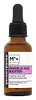
This smoothing serum is formulated around Mandelic Acid to refine skin texture and brighten dull-looking skin.
This brightening serum is formulated around Mandelic Acid and Arctostaphylos Uva Ursi Leaf Extract to fade the look of dark spots and refine skin texture.


What's inside
What's inside
 Key Ingredients
Benefits
Concerns
Ingredients Side-by-side

Water
Skin ConditioningMandelic Acid
Antimicrobial










Vaccinium Myrtillus Leaf Extract
AstringentSodium Anisate
AntimicrobialChondrus Crispus
Masking


Arctostaphylos Uva Ursi Leaf Extract
Skin Conditioning
Kojic Acid
Antioxidant

Aspalathus Linearis Extract
Skin ConditioningSodium Benzoate
Masking
Citric Acid
Buffering
Malic Acid
Buffering
Tartaric Acid
Buffering
Vitis Vinifera Seed Oil
Emollient


Ascorbic Acid
Antioxidant
Hibiscus Sabdariffa Flower Extract
Skin ConditioningPropanediol
Solvent
Glycerin
Humectant
Rosa Canina Fruit Extract
Astringent
Viola Tricolor Extract
EmollientGlucose
Humectant
Hyaluronic Acid
Humectant
Potassium Sorbate
Preservative
Salicylic Acid
Masking

Water, Mandelic Acid, Vaccinium Myrtillus Leaf Extract, Sodium Anisate, Chondrus Crispus, Arctostaphylos Uva Ursi Leaf Extract, Kojic Acid, Aspalathus Linearis Extract, Sodium Benzoate, Citric Acid, Malic Acid, Tartaric Acid, Vitis Vinifera Seed Oil, Ascorbic Acid, Hibiscus Sabdariffa Flower Extract, Propanediol, Glycerin, Rosa Canina Fruit Extract, Viola Tricolor Extract, Glucose, Hyaluronic Acid, Potassium Sorbate, Salicylic Acid
Ingredients Explained
These ingredients are found in both products.
Ingredients higher up in an ingredient list are typically present in a larger amount.
Glucose is a simple sugar (a monosaccharide). In skincare, it is mostly a humectant and skin conditioning agent.
Mechanistically, it has multiple hydroxyl groups that hydrogen-bond to water. This pulls moisture into the upper layers of skin to keep the surface soft and hydrated.
It's worth knowing sugars are already a natural component of the skin's NMF (natural moisturizing factor) so it's a molecule that your stratum corneum is well-acquainted with.
Just so you know, glucose is hydrophilic (water-loving) and the stratum corneum is a strong barrier to hydrophilic compounds. This just means penetration is slow and most of the action is happening on the surface.
Gram-to-gram, glucose is not as efficient as a humectant as glycerin. This is why you'll likely see glycose paired with stronger humectants for a bigger hydration payoff.
In skincare, glucose is typically derived from corn or other starch sources.
Learn more about GlucoseMandelic Acid is an alpha hydroxy acid (AHA).
Like other AHAs, it helps exfoliate the surface of the skin by breaking down the bonds that hold dead skin cells together. This helps reveal smoother and brighter skin underneath.
Mandelic acid helps with:
Due to it having a larger molecular size than glycolic acid, mandelic acid is able to penetrate the skin more slowly and evenly. This makes it gentler and less irritating, making it a great option for sensitive or beginner skin.
Despite being milder, mandelic acid is still an effective exfoliant that improves skin texture and tone over time.
What makes mandelic acid stand out from other AHAs? It has antibacterial and antioxidant properties.
These traits make it a great option for acne-prone or problem skin by reducing active breakouts and fading post-acne marks. Studies show that mandelic acid (especially when combined with salicylic acid) can significantly reduce pimples and hyperpigmentation while causing fewer side effects than stronger acids.
Mandelic acid is effective in concentrations of 5% and up with an ideal pH range of 3-4 for at-home use.
Like other AHAs, it’s important to wear sunscreen daily to protect your newly exfoliated skin.
However, unlike glycolic acid, mandelic acid is light-sensitive. Be sure your mandelic acid is packaged in opaque containers to ensure it stays stable and effective.
In short, mandelic acid is a gentle yet powerful AHA that exfoliates, brightens, and helps clarify skin while keeping irritation low. Its antibacterial action makes it especially beneficial for those with acne-prone, sensitive, or uneven skin, offering smoother, clearer, and more even-toned results over time.
Read more about some other popular AHA's here:
Learn more about Mandelic AcidPotassium Sorbate is a preservative used to prevent yeast and mold in products. It is commonly found in both cosmetic and food products.
This ingredient comes from potassium salt derived from sorbic acid. Sorbic acid is a natural antibiotic and effective against fungus.
Both potassium sorbate and sorbic acid can be found in baked goods, cheeses, dried meats, dried fruit, ice cream, pickles, wine, yogurt, and more.
You'll often find this ingredient used with other preservatives.
Learn more about Potassium SorbatePropanediol is an all-star ingredient. It softens, hydrates, and smooths the skin.
It’s often used to:
Propanediol is not likely to cause sensitivity and considered safe to use. It is derived from corn or petroleum with a clear color and no scent.
Learn more about PropanediolWater. It's the most common cosmetic ingredient of all. You'll usually see it at the top of ingredient lists, meaning that it makes up the largest part of the product.
So why is it so popular? Water most often acts as a solvent - this means that it helps dissolve other ingredients into the formulation.
You'll also recognize water as that liquid we all need to stay alive. If you see this, drink a glass of water. Remember to stay hydrated!
Learn more about Water

