
What's inside
What's inside
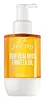 Key Ingredients
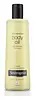
Benefits
No benefits
Concerns
Ingredients Side-by-side
Caprylic/Capric Triglyceride
Masking


Helianthus Annuus Seed Oil
Emollient


Olea Europaea Fruit Oil
Masking


Macadamia Integrifolia Seed Oil
Skin Conditioning
Simmondsia Chinensis Seed Oil
Emollient
Cocos Nucifera Oil
Masking
Parfum
Masking

Squalane
Emollient
Paullinia Cupana Fruit Extract
Skin ConditioningPtychopetalum Olacoides Bark/Root Extract
EmollientPlinia Cauliflora Fruit Extract
Skin ConditioningPlankton Extract
Skin ConditioningEuterpe Oleracea Fruit Oil
Skin Conditioning
Amaranthus Caudatus Seed Extract
Skin Conditioning
Triticum Vulgare Germ Extract
Skin ConditioningHordeum Distichon Extract
Skin ProtectingTocopherol
Antioxidant




Ethylhexylglycerin
Skin ConditioningBenzyl Alcohol
Perfuming


Benzyl Salicylate
Perfuming
Coumarin
Perfuming
Hydroxycitronellal
Perfuming
Limonene
Perfuming
Linalool
Perfuming
Benzyl Benzoate
Antimicrobial
Citral
Perfuming
Eugenol
Perfuming
Caprylic/Capric Triglyceride, Helianthus Annuus Seed Oil, Olea Europaea Fruit Oil, Macadamia Integrifolia Seed Oil, Simmondsia Chinensis Seed Oil, Cocos Nucifera Oil, Parfum, Squalane, Paullinia Cupana Fruit Extract, Ptychopetalum Olacoides Bark/Root Extract, Plinia Cauliflora Fruit Extract, Plankton Extract, Euterpe Oleracea Fruit Oil, Amaranthus Caudatus Seed Extract, Triticum Vulgare Germ Extract, Hordeum Distichon Extract, Tocopherol, Ethylhexylglycerin, Benzyl Alcohol, Benzyl Salicylate, Coumarin, Hydroxycitronellal, Limonene, Linalool, Benzyl Benzoate, Citral, Eugenol


Reviews
Ingredients Explained
These ingredients are found in both products.
Ingredients higher up in an ingredient list are typically present in a larger amount.
Parfum is a catch-all term for an ingredient or more that is used to give a scent to products.
Also called "fragrance", this ingredient can be a blend of hundreds of chemicals or plant oils. This means every product with "fragrance" or "parfum" in the ingredients list is a different mixture.
For instance, Habanolide is a proprietary trade name for a specific aroma chemical. When used as a fragrance ingredient in cosmetics, most aroma chemicals fall under the broad labeling category of “FRAGRANCE” or “PARFUM” according to EU and US regulations.
The term 'parfum' or 'fragrance' is not regulated in many countries. In many cases, it is up to the brand to define this term.
For instance, many brands choose to label themselves as "fragrance-free" because they are not using synthetic fragrances. However, their products may still contain ingredients such as essential oils that are considered a fragrance by INCI standards.
One example is Calendula flower extract. Calendula is an essential oil that still imparts a scent or 'fragrance'.
Depending on the blend, the ingredients in the mixture can cause allergies and sensitivities on the skin. Some ingredients that are known EU allergens include linalool and citronellol.
Parfum can also be used to mask or cover an unpleasant scent.
The bottom line is: not all fragrances/parfum/ingredients are created equally. If you are worried about fragrances, we recommend taking a closer look at an ingredient. And of course, we always recommend speaking with a professional.
Learn more about Parfum

