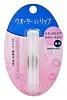
This calming lip moisturizer is formulated around Sodium Hyaluronate to calm redness and hydrate lips.
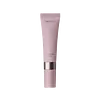
This lip moisturizer is formulated around Petrolatum and Tripeptide-1 to hydrate lips.


What's inside
What's inside
 Key Ingredients
Benefits
Concerns
Ingredients Side-by-side
Stearyl Glycyrrhetinate
Skin ConditioningMethyl/Phenyl Polysilsesquioxane

C13-14 Isoparaffin
Emollient
Paraffinum Liquidum
Emollient

Pentaerythrityl Tetraethylhexanoate
Emollient
Triethylhexanoin
MaskingPolyethylene
Abrasive

Paraffin
Skin Conditioning
Sodium Magnesium Silicate
Microcrystalline Wax
Emulsion StabilisingPEG/PPG-14/7 Dimethyl Ether
Skin ConditioningWater
Skin ConditioningPEG-8 Dimethicone
Emulsifying
Dipropylene Glycol
HumectantCera Microcristallina
Emulsion StabilisingGlycerin
Humectant

Silicone Resin
Tocopherol
Antioxidant





Sodium Hyaluronate
Humectant
Stearyl Glycyrrhetinate, Methyl/Phenyl Polysilsesquioxane, C13-14 Isoparaffin, Paraffinum Liquidum, Pentaerythrityl Tetraethylhexanoate, Triethylhexanoin, Polyethylene, Paraffin, Sodium Magnesium Silicate, Microcrystalline Wax, PEG/PPG-14/7 Dimethyl Ether, Water, PEG-8 Dimethicone, Dipropylene Glycol, Cera Microcristallina, Glycerin, Silicone Resin, Tocopherol, Sodium Hyaluronate
Petrolatum
Emollient
Paraffinum Liquidum
Emollient
Microcrystalline Wax
Emulsion StabilisingHydrogenated Polyisobutene
EmollientSilica Dimethyl Silylate
EmollientPolyethylene
Abrasive
Phytosteryl Oleate
Skin ConditioningTocopherol
Antioxidant
Stearyl Glycyrrhetinate
Skin ConditioningCollagen
Moisturising
Tripeptide-1
Skin Conditioning
Phytosterols
Skin Conditioning
Beta-Glucan
Skin Conditioning
Sodium Hyaluronate
Humectant
Water
Skin ConditioningIsohexadecane
EmollientMannose
HumectantEthylene/Propylene/Styrene Copolymer
Butylene Glycol
Humectant
Butylene/Ethylene/Styrene Copolymer
Glucose
Humectant
Phenoxyethanol
Preservative
Xanthan Gum
Emulsifying1,2-Hexanediol
Skin Conditioning
Caprylyl Glycol
Emollient
Pentaerythrityl Tetra-Di-T-Butyl Hydroxyhydrocinnamate
Antioxidant
Petrolatum, Paraffinum Liquidum, Microcrystalline Wax, Hydrogenated Polyisobutene, Silica Dimethyl Silylate, Polyethylene, Phytosteryl Oleate, Tocopherol, Stearyl Glycyrrhetinate, Collagen, Tripeptide-1, Phytosterols, Beta-Glucan, Sodium Hyaluronate, Water, Isohexadecane, Mannose, Ethylene/Propylene/Styrene Copolymer, Butylene Glycol, Butylene/Ethylene/Styrene Copolymer, Glucose, Phenoxyethanol, Xanthan Gum, 1,2-Hexanediol, Caprylyl Glycol, Pentaerythrityl Tetra-Di-T-Butyl Hydroxyhydrocinnamate
Ingredients Explained
These ingredients are found in both products.
Ingredients higher up in an ingredient list are typically present in a larger amount.
Microcrystalline Wax is derived from petroleum through a de-oiling process, then highly refined and purified before use in cosmetics.
In skincare formulations, it is used to improve texture and create a smooth, even consistency. It also helps stabilize products by preventing ingredients from separating.
Paraffinum Liquidum is a highly-refined cosmetic-grade mineral oil. It is also known as liquid paraffin.
Despite its controversial reputation, the science is pretty clear: it's one of the most well-studied and effective moisturizing ingredients out there.
As an occlusive, it forms a protective layer on the skin that locks in moisture and prevents transepidermal water loss (TEWL). This makes it especially great for compromised skin barriers.
The "it clogs your pores" myth has been around for decades; a study found that industrial-grade mineral oil may be comedogenic but cosmetic-grade mineral oil is not (these two are very, very different).
A 2017 review concluded that cosmetic use of mineral oils and waxes does not present a risk to consumers due to absorption.
Mineral oil got a bad rap from the old rabbit ear studies. When tested on actual human skin, cosmetic-grade mineral oil showed no comedogenic activity. The rating of 0 is a correction of outdated science.
Mineral oil is an inert substance with no fatty acids so there's nothing to feed Malassezia. This ingredient is fungal acne safe.
Learn more about Paraffinum LiquidumPolyethylene is a synthetic ingredient that helps the skin retain moisture. It is a polymer.
It is also typically used within product formulations to help bind solid ingredients together and thicken oil-based ingredients. When added to balms and emulsions, it helps increase the melting point temperature.
Sodium Hyaluronate is the salt form of hyaluronic acid. It is a long sugar chain that is naturally found in your skin, joints, and connective tissue that maintains hydration and elasticity.
In skincare, it works as a humectant. It pulls water from the environment and deeper layers of skin and binds it to the surface.
Interestingly, the size of the molecule affects its behavior:
Some clinical evidence links low molecular weight versions to improved wrinkle depth, elasticity, anti-inflammatory effects, and barrier repair.
Many serums use a blend of both weights so you can get surface hydration plus longer-lasting and deeper effects.
You'll typically see concentrations between 0.1-2% for this ingredient.
Learn more about Sodium HyaluronateWe don't have a description for Stearyl Glycyrrhetinate yet.
Tocopherol is a fat-soluble antioxidant known as Vitamin E.
You'll find this ingredient in the vast majority of skincare (for good reason). It works to neutralize free radicals, or unstable molecules generated by UV exposure, pollution, and other environmental stressors, before they can cause oxidative damage to your skin cells.
Topically applied tocopherol has been shown to protect against UV damage by ramping up the skin's own natural defense enzymes.
It also acts as a skin conditioning agent; some studies show that regular topical use can improve the skin's water-binding capacity over 2-4 weeks.
This ingredient is especially loved for being a team player. When combined with Vitamin C, the photoprotective effect of both ingredients roughly doubles and the combo also helps reduce UV-induced DNA damage.
This ingredient has some brightening potential but it's more of a prevention ingredient than spot-fader. Cell studies show it can slow down melanin production but it's worth noting that it's not the most powerful brightener out there.
In formulations, it also serves as a stabilizer that helps protect other oxidation-prone ingredients from degrading.
Concentrations usually range from 0.1-1% in most leave-on products.
Learn more about TocopherolWater. It's the most common cosmetic ingredient of all. You'll usually see it at the top of ingredient lists, meaning that it makes up the largest part of the product.
So why is it so popular? Water most often acts as a solvent - this means that it helps dissolve other ingredients into the formulation.
You'll also recognize water as that liquid we all need to stay alive. If you see this, drink a glass of water. Remember to stay hydrated!
Learn more about Water

