This tanning is formulated to calm redness.


What's inside
What's inside
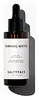 Key Ingredients
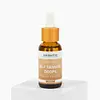
Benefits
Concerns
Ingredients Side-by-side
Water
Skin ConditioningDihydroxyacetone
Skin ConditioningGlycerin
Humectant


Erythrulose
TanningAlthaea Officinalis Root Extract
Skin Conditioning
Tilia Cordata Leaf Extract
HumectantCamellia Sinensis Extract
Antioxidant



Chamomilla Recutita Extract
Skin Conditioning
Aloe Barbadensis Leaf Extract
Emollient
Calendula Officinalis Flower Extract
Masking
Cucumis Sativus Fruit Extract
Emollient
Dehydroacetic Acid
Preservative
Benzyl Alcohol
Perfuming




Water, Dihydroxyacetone, Glycerin, Erythrulose, Althaea Officinalis Root Extract, Tilia Cordata Leaf Extract, Camellia Sinensis Extract, Chamomilla Recutita Extract, Aloe Barbadensis Leaf Extract, Calendula Officinalis Flower Extract, Cucumis Sativus Fruit Extract, Dehydroacetic Acid, Benzyl Alcohol
Water
Skin ConditioningDihydroxyacetone
Skin ConditioningErythrulose
TanningGlycerin
Humectant
1,2-Hexanediol
Skin Conditioning
Aloe Barbadensis Leaf Juice
Skin Conditioning
Calendula Officinalis Flower Extract
Masking
Camellia Sinensis Flower Extract
Perfuming
Chamomilla Recutita Flower Extract
Masking
Agastache Mexicana Flower/Leaf/Stem Extract
Skin ConditioningCucumis Sativus Fruit Extract
Emollient
Tropaeolum Majus Flower/Leaf/Stem Extract
Skin ConditioningBenzyl Alcohol
Perfuming
Xanthan Gum
EmulsifyingPanthenol
Skin Conditioning
Sodium Metabisulfite
Antioxidant
Propanediol
Solvent
Phenoxyethanol
Preservative
Water, Dihydroxyacetone, Erythrulose, Glycerin, 1,2-Hexanediol, Aloe Barbadensis Leaf Juice, Calendula Officinalis Flower Extract, Camellia Sinensis Flower Extract, Chamomilla Recutita Flower Extract, Agastache Mexicana Flower/Leaf/Stem Extract, Cucumis Sativus Fruit Extract, Tropaeolum Majus Flower/Leaf/Stem Extract, Benzyl Alcohol, Xanthan Gum, Panthenol, Sodium Metabisulfite, Propanediol, Phenoxyethanol
Reviews
Ingredients Explained
These ingredients are found in both products.
Ingredients higher up in an ingredient list are typically present in a larger amount.
Benzyl Alcohol is an aromatic alcohol with several roles: it's a preservative, solvent, and mild fragrance component with a floral scent.
This ingredient has been deemed safe for use in cosmetic formulations at concentrations up to 5%, and up to 10% in hair dyes. You'll typically see 0.5-2% in most rinse-off or leave-on products.
As a preservative, it works by disrupting the membrane of microbial proteins. This helps keep bacteria and fungi from growing in your products.
The sensitization picture is actually quite assuring as well:of nearly 71,000 patients patch tested with benzyl alcohol, only 0.21% showed a positive reaction with most of them being weakly positive.
This led researchers to conclude that benzyl alcohol cannot be regarded as a significant contact allergen.
It is worth noting this ingredient is classified as one of the EU's regulated fragrance allergens and restricted to 1% in finished products.
Labels must also declare it in concentrations above 0.001% in leave-on products and 0.01% in rinse-off products.
At concentrations around 5%, localized redness and itching can appear as a direct irritant response and not as a true allergic reaction.
Learn more about Benzyl AlcoholCalendula Officinalis Flower Extract comes from the marigold flower and has been used on skin for centuries for its calming effect.
In the lab, its active compounds appear to calm inflammation and support the early "healing" phase of minor wounds.
This is why Europe's medicines regulator has approved calendula extracts as a traditional remedy for minor skin inflammation and healing small wounds.
The stronger human evidence is around would/ulcer care rather than everyday cosmetic claims; a review that pulled together 14 studies found that calendula helped calm the early, inflamed stage of a wound and helped new skin tissue form faster.
Two studies also showed it shrank leg ulcers (the kind caused by poor circulation). Results were mixed for burns and for the skin irritation people get from radiation treatment, so it's not a sure thing there.
In cosmetics, it's mostly a skin conditioning and soothing agent.
The Cosmetic Ingredient Review panel concluded that calendula-derived ingredients are safe as used and that the ingredients are not irritating, sensitizing, or photosensitizing in clinical tests (though they may be mild eye irritants).
Typical use levels are quite low; industry data reported it used at under 0.5% (one supplier noted a 10-25% extract blend used at 1-10% in the finished product). Historical use goes up to 10%.
The only thing to keep in mind is if you have daisy/ragweed allergies. Calendula is in the same family and one patch-test study found 2% of dermatitis patients reacted to marigold. Be sure to patch test if you have sensitive or allergy-prone skin.
Learn more about Calendula Officinalis Flower ExtractThis extract comes from cucumber. Cucumbers are mostly made up of water (95%), and the other 5% is composed of: vitamin C, caffeic acid, fatty acids, amino acids, and other minerals.
Cucumbers have anti-inflammatory, barrier repair, and hydrating properties.
They contain shikimate dehydrigenase, an enzyme shown to help reduce inflammation and soothe the skin.
The amino acids found in cucumbers help nourish our skin's natural acid mantle (it's an important part of our skin barrier). This slightly acidic film acts as a barrier to protect us from bacteria, viruses, and other contaminants.
Unless you have an allergy to cucumbers, this is generally a non-irritating ingredient.
Fun fact: Cucumis Sativus is native to South Asia and can now be found on every continent.
Learn more about Cucumis Sativus Fruit ExtractDihydroxyacetone, or DHA, is the active ingredient in self-tanners.
It's a simply sugar that reacts with the free amino acids in your outermost layer of skin to produce brown-colored compounds called melanoidins.
DHA does not penetrate living skin cells, does not interact with melanocytes, and does not affect actualy melanin production.
There's a "safety controversy" that largely stems from misinterpreted studies:
Once concern is that DHA can generate unstable molecules that can damage cells (free radicals) when exposed to sunlight. This only happens in the outermost layer of dead skin cells and wearing SPF on top takes care of it.
The DNA damage claim comes from lab studies that doused living skin cells in much higher concentrations of DHA than you'd ever find in a self-tanner. That's not really a meaningful comparison to putting self-tanning lotion on your skin.
Regulatory bodies around the world, including the EU's Scientific Committee on Consumer Safety (SCCS) and the U.S. FDA consider it safe for use in cosmetics when applied topically (maximum 10%, and most self-tanners contain between 3-5%).
Learn more about DihydroxyacetoneWe don't have a description for Erythrulose yet.
Glycerin (or glycerol) is a compound naturally found in your skin. It's a powerhouse humectant that pulls water into the stratum corneum.
Topically, glycerin does several things at once:
Your skin makes glycerin on its own (mostly from sebaceous oil breakdown) and shuttles it to your outermost layer of skin, or your epidermis, via aquaporin-3.
Aquaporin-3 is a transporter that is essential for normal skin hydration, elasticity, and repair. Interestingly, mice lacking in AQP3 have dry and less elastic skin that can be fully corrected with glycerin.
This ingredient is non-irritating, plays well with almost every ingredient, and works across all skin types. Typical use is anywhere between 3-10% but can go up to 79% in some leave-on products.
Just know very high concentrations (>40%) can feel tacky in low humidity.
Glycerin is the name for this ingredient in American English. British English uses Glycerol/Glycerine.
Learn more about GlycerinWater. It's the most common cosmetic ingredient of all. You'll usually see it at the top of ingredient lists, meaning that it makes up the largest part of the product.
So why is it so popular? Water most often acts as a solvent - this means that it helps dissolve other ingredients into the formulation.
You'll also recognize water as that liquid we all need to stay alive. If you see this, drink a glass of water. Remember to stay hydrated!
Learn more about Water

