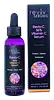
This brightening serum is formulated around 3-O-Ethyl Ascorbic Acid and Tetrahexyldecyl Ascorbate to brighten dull-looking skin and fade the look of dark spots.
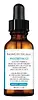
This brightening serum is formulated around Ascorbic Acid and Ferulic Acid to brighten dull-looking skin and soften the look of wrinkles.

What's inside
What's inside
 Key Ingredients
Benefits
Concerns
Ingredients Side-by-side
3-O-Ethyl Ascorbic Acid
Skin Conditioning





Dimethyl Isosorbide
SolventCyclopentasiloxane
Emollient
Tetrahexyldecyl Ascorbate
Antioxidant
Butylene Glycol
Humectant

Propylene Glycol
Humectant

Ethoxydiglycol
HumectantIsodecyl Neopentanoate
EmollientPhloretin
Antioxidant
Caprylyl Glycol
Emollient
Tocopheryl Acetate
Antioxidant
Ferulic Acid
Antimicrobial
Glutathione

Terminalia Ferdinandiana Fruit Extract
Antioxidant
Phenoxyethanol
Preservative
Ethylhexylglycerin
Skin ConditioningAlcohol
Antimicrobial


Glycerin
Humectant
Punica Granatum Seed Oil
Emollient


Astaxanthin
Skin Conditioning
Tocotrienols
Skin Conditioning
Thioctic Acid
Antioxidant
Tocopherol
Antioxidant
Lycopene
Antioxidant
Xanthophylls
Skin ConditioningBeta-Carotene
Skin ConditioningSuperoxide Dismutase
Antioxidant
3-O-Ethyl Ascorbic Acid, Dimethyl Isosorbide, Cyclopentasiloxane, Tetrahexyldecyl Ascorbate, Butylene Glycol, Propylene Glycol, Ethoxydiglycol, Isodecyl Neopentanoate, Phloretin, Caprylyl Glycol, Tocopheryl Acetate, Ferulic Acid, Glutathione, Terminalia Ferdinandiana Fruit Extract, Phenoxyethanol, Ethylhexylglycerin, Alcohol, Glycerin, Punica Granatum Seed Oil, Astaxanthin, Tocotrienols, Thioctic Acid, Tocopherol, Lycopene, Xanthophylls, Beta-Carotene, Superoxide Dismutase


Reviews
Ingredients Explained
These ingredients are found in both products.
Ingredients higher up in an ingredient list are typically present in a larger amount.
Butylene Glycol (or BG) is used within cosmetic products for a few different reasons:
Overall, Butylene Glycol is a safe and well-rounded ingredient that works well with other ingredients.
Though this ingredient works well with most skin types, some people with sensitive skin may experience a reaction such as allergic rashes, closed comedones, or itchiness.
Learn more about Butylene GlycolFerulic Acid is a plant based antioxidant that can be naturally found in the cell walls of grains like rice, oats, and corn. It has antioxidant and antimicrobial properties, and has the ability to boost the performance of other antioxidants as well.
A well-known study found that adding Ferulic Acid to a solution of Vitamins C and E doubled the photoprotection of skin. This is why you'll often see it paired with Vitamin C or Vitamin E serums rather than sold on its own.
A 2025 review of 18 human studies found that using Ferulic Acid (0.5-1%) daily for one to three months showed improvements in:
As far as allergies go, Ferulic acid is generally well-tolerated but can cause an allergic reaction in very rare cases. It's also worth noting that Ferulic acid is often extracted from plant sources like rice bran or wheat bran, so be sure to path test if you have known grain allergies.
Outside of skincare, researchers are also looking into Ferulic Acid for its potential benefits in areas like diabetes, Alzheimer's, and heart health.
Learn more about Ferulic AcidPhloretin is a potent antioxidant. It can be naturally found in the leaves of apple trees and Manchurian apricots.


