

What's inside
What's inside
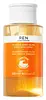 Key Ingredients
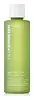
Benefits
Concerns
Ingredients Side-by-side
Water
Skin ConditioningSodium Lactate
Buffering
Lactic Acid
Buffering










Heptyl Glucoside
SurfactantPotassium Azeloyl Diglycinate
Skin Conditioning


Triethyl Citrate
Masking
Glyceryl Caprylate
EmollientSalix Nigra Bark Extract
Skin ProtectingBenzoic Acid
Masking
Citrus Nobilis Peel Oil
Masking
Citrus Aurantium Dulcis Flower Oil
Astringent
Citrus Grandis Peel Oil
Masking

Citrus Tangerina Peel Oil
Masking
Heptanol
Perfuming
Parfum
Masking
Limonene
Perfuming
Water, Sodium Lactate, Lactic Acid, Heptyl Glucoside, Potassium Azeloyl Diglycinate, Triethyl Citrate, Glyceryl Caprylate, Salix Nigra Bark Extract, Benzoic Acid, Citrus Nobilis Peel Oil, Citrus Aurantium Dulcis Flower Oil, Citrus Grandis Peel Oil, Citrus Tangerina Peel Oil, Heptanol, Parfum, Limonene
Water
Skin ConditioningPolysorbate 20
Emulsifying
Hamamelis Virginiana Water
Astringent
Glycerin
Humectant
Gluconolactone
Skin Conditioning

Glycolic Acid
Buffering
Lactic Acid
Buffering
Oleth-20
CleansingSalicylic Acid
Masking
Sodium Hydroxide
BufferingSodium Benzoate
Masking
Menthyl Lactate
Masking
Eucalyptus Globulus Leaf Oil
Perfuming
Mentha Piperita Oil
Masking
Melia Azadirachta Seed Oil
Emollient
Linoleic Acid
Cleansing
Macrocystis Pyrifera Extract
Skin Conditioning
Eucalyptus Globulus Leaf Extract
Perfuming
Chondrus Crispus Extract
Skin Conditioning
Camellia Sinensis Leaf Extract
Antimicrobial
Linolenic Acid
Cleansing
Phenoxyethanol
Preservative
Calcium Gluconate
HumectantBenzoic Acid
Masking
Tocopherol
Antioxidant
Limonene
Perfuming
Water, Polysorbate 20, Hamamelis Virginiana Water, Glycerin, Gluconolactone, Glycolic Acid, Lactic Acid, Oleth-20, Salicylic Acid, Sodium Hydroxide, Sodium Benzoate, Menthyl Lactate, Eucalyptus Globulus Leaf Oil, Mentha Piperita Oil, Melia Azadirachta Seed Oil, Linoleic Acid, Macrocystis Pyrifera Extract, Eucalyptus Globulus Leaf Extract, Chondrus Crispus Extract, Camellia Sinensis Leaf Extract, Linolenic Acid, Phenoxyethanol, Calcium Gluconate, Benzoic Acid, Tocopherol, Limonene
Reviews
Alternatives
Ingredients Explained
These ingredients are found in both products.
Ingredients higher up in an ingredient list are typically present in a larger amount.
Benzoic Acid is an organic acid that shows up in cosmetics as a preservative. It helps keep a product from spoiling by holding back the growth of yeast, mold, and some bacteria.
This ingredient also functions as a fragrance ingredient that helps mask the unpleasant scent of other ingredients.
The way it works is worth understanding; benzoic acid works when the formula is acidic. It is able to sneak into a microbe's cell and mess up how it functions to stop it from growing in an acidic product.
However, the acid switches to an inactive form and stops working if a product isn't acidic enough (above ~5 pH). This is why you'll often see it in low pH products or teamed up with other preservatives to cover the gap.
Safety wise, it's one of the better studied preservatives out there.
The Cosmetic Ingredient Review Expert Panel has concluded this ingredient to be safe for use in cosmetic formulations at concentrations up to 5%.
A large international review found this ingredient had no effects on the human body and had low irritation potential.
Just so you know, real world use is usually much lower than the 5% ceiling (usually 1% of less).
The EU caps it at 2.5% in rinse-off products, 1.7% in oral care, and 0.5% in leave-on products.
One thing worth mentioning (it's nothing to worry about): some people get a little stinging or flushing where they apply it. This isn't a true allergy; it's a temporary and harmless reaction. This is the same kind of mild tingle you might notice from sorbic acid.
Learn more about Benzoic AcidLactic Acid is another well-loved alpha hydroxy acid (AHA). It is gentler than glycolic acid but still highly effective.
Its main role is to exfoliate the surface of the skin by loosening the “glue” that holds dead skin cells together. Shedding those old cells leads to smoother, softer, and more even-toned skin.
Because lactic acid molecules are larger than glycolic acid, they don’t penetrate as deeply. This means they’re less likely to sting or irritate, making it a great choice for beginners or those with sensitive skin.
Like glycolic acid, it can:
Lactic acid also acts as a humectant (like hyaluronic acid). It can draw water into the skin to improve hydration and also plays a role in the skin's natural moisturizing factor (NMF) in the form of sodium lactate.
Studies show it can boost ceramide production to strengthen the skin barrier and even help balance the skin’s microbiome.
To get results, choose products with a pH between 3-4.
Lower strengths (5-12%) focus on surface exfoliation; higher strengths (12% and up) can reach deeper in the dermis (deeper, supportive layer) to improve skin texture and firmness over time.
Though it was originally derived from milk, most modern lactic acid used in skincare is vegan. It is made through non-dairy fermentation to create a bio-identical and stable form suitable for all formulations.
When lactic acid shows up near the end of an ingredient list, it usually means the brand added just a tiny amount to adjust the product’s pH.
Legend has it that Cleopatra used to bathe in sour milk to help reduce wrinkles.
Lactic acid is truly a gentle multitasker: it exfoliates, hydrates, strengthens, and brightens. It's a great ingredient for giving your skin a smooth, glowing, and healthy look without the harshness of stronger acids.
Read more about some other popular AHA's here:
Learn more about Lactic AcidLimonene is a fragrance that adds scent and taste to a formulation.
It's found in the peel oil of citrus fruits and other plants such as lavender and eucalyptus. The scent of limonene is generally described as "sweet citrus".
Limonene acts as an antioxidant, meaning it helps neutralize free radicals.
When exposed to air, oxidized limonene may sensitize the skin. Because of this, limonene is often avoided by people with sensitive skin.
The term 'fragrance' is not regulated in many countries. In many cases, it is up to the brand to define this term. For instance, many brands choose to label themselves as "fragrance-free" because they are not using synthetic fragrances. However, their products may still contain ingredients such as essential oils that are considered a fragrance.
Learn more about LimoneneWater. It's the most common cosmetic ingredient of all. You'll usually see it at the top of ingredient lists, meaning that it makes up the largest part of the product.
So why is it so popular? Water most often acts as a solvent - this means that it helps dissolve other ingredients into the formulation.
You'll also recognize water as that liquid we all need to stay alive. If you see this, drink a glass of water. Remember to stay hydrated!
Learn more about Water

